The Workshop They Threw Me Out For
My parents threw me out of the house for my woodworking and the whole town came to see what I made of it
The last thing my father said to me under his own roof was that a man who played with wood would die with empty hands.
I was eighteen. It was the first week of August, and the heat sat on Clayburn, Indiana, like a wet towel. I remember the cicadas going in the big elm out front, and I remember the smell of the dust he had kicked up carrying the last of my things down the porch steps and setting them in the gravel by the road. He did not throw them. My father was not a thrower. He set each box down square and level, the way he did everything, and that was somehow worse.
His name was Vernon Ryder. He farmed two hundred and forty acres of corn and beans off County Road 400, and he sold crop insurance on the side out of a little office above the bank, and he was respected in town for being exactly as hard as he looked. People said Vernon Ryder was a man you could set your watch by. They meant it as a compliment. I was his younger son, and for eighteen years I had tried to be a thing he could set his watch by, and I had failed, because the only clock I ever kept good time with ran on something he hated.
I made things out of wood.
I need to go back further than that August, because the throwing-out was not the start of it. It was the end of a long argument that had been running under our house my whole life, the way a creek runs under a field, mostly out of sight until the ground gives.
It started with my grandfather. His name was Amos Ryder, my father’s father, and he built furniture.
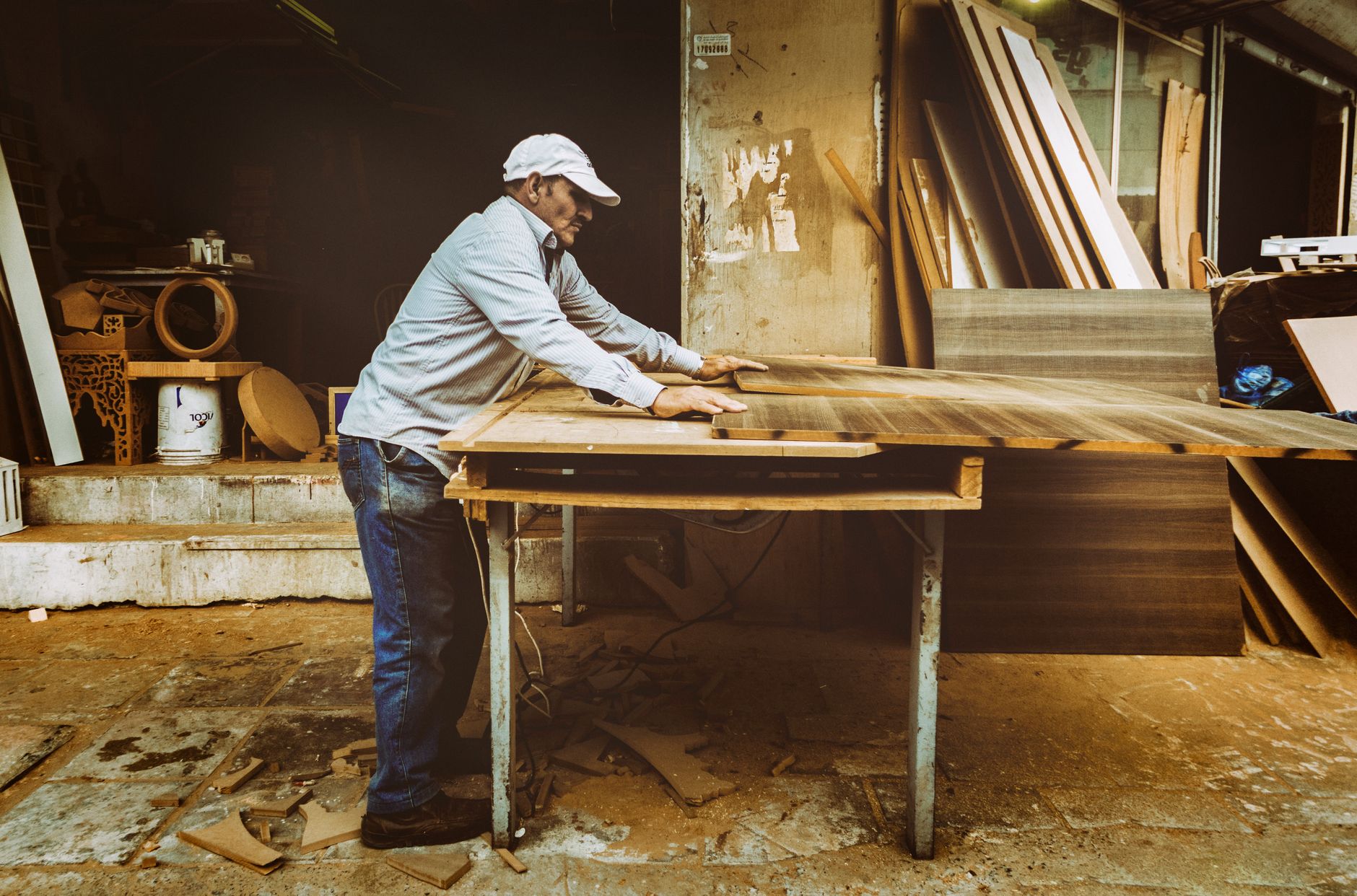
Grandpa Amos had a shop in the old dairy barn behind the home place, back when the home place was still his. He had cleared out the stanchions and the gutters and laid a plank floor and run a wood stove, and in that long low building that still smelled faintly of cattle he made the most beautiful things I have ever seen come out of a pair of human hands. Walnut blanket chests with dovetails so tight you could not slide a hair into the seam. Rockers that a grown man could fall asleep in. A corner cupboard for the Hendricks family that they still bring up at the diner, sixty years on. He did not use a single screw where a joint would do. He said a screw was a confession that you did not know how to make the pieces hold each other.
I was four the first time he set me on a stool at his bench and wrapped my hands around a block plane and ran it with me across a board, and the shaving that came up was thin enough to read a newspaper through, and I smelled that smell, cut oak and bar oil and old iron, and something in me went quiet and sure in a way it has never gone quiet and sure anywhere else, not in church, not even later holding my own daughter the first time. I did not know you were allowed to feel that way about anything. I was four, and I knew what I was going to do with my life.