The Workshop They Threw Me Out For
And in the fourth pew on the left sat my father and my mother.
I had not spoken to him in twenty years. I had seen him across the feed store, across the cemetery, across the lot once when he slowed down out on 29 and did not turn in. But I had not stood in a room with Vernon Ryder since the gravel, and now I was going to stand at the front of one and everybody in the county was going to watch us both.
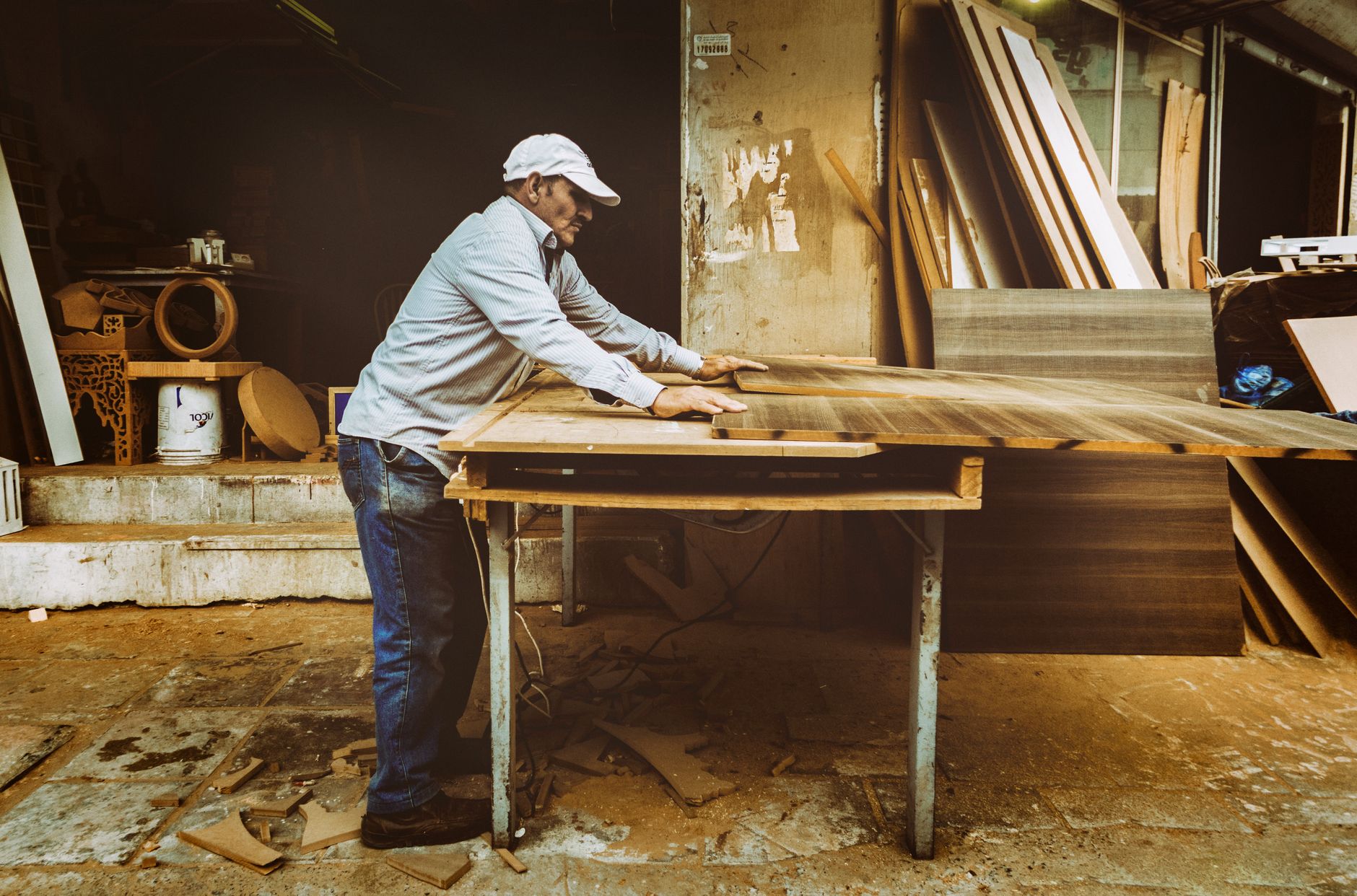
Pastor Cora preached short that day. She stood behind my new pulpit and she put both hands flat on the top of it and she said, This wood came out of our own churchyard, out of the same ground that holds the people we have loved and lost. It was shaped by a man some of you watched grow up in this town, a man whose grandfather built the pulpit that stood here before this one. The Ryder family has been making beauty for the people of Clayburn with their hands for sixty-five years, and they are making it still.
She did not look at my father when she said it. She did not have to. The whole church knew the fourth pew. You could feel the room turn, the way a field of beans turns in a wind, everybody shifting the smallest bit toward Vernon and Ruth Ryder, everybody remembering, because a town forgets nothing, it only waits.
Then Eunice Parr, who did not care one bit about anybody’s comfort at eighty-one, had them wheel her up front, and she took the microphone and she said, I want to say the thing nobody will say. This boy was run off. We all knew it and we all let it happen and we are not proud of it. And he went off and he got good, better than good, and he came home and he made us this. And she put her old hand flat on the communion rail, my rail, the walnut I had rubbed with my own two hands for five months, and she said, Shame on the ones who could not see it. Thank God the rest of us lived long enough to.
I did not look at my father. I could not. I looked at my daughter, Nora, eight years old in a green dress, sitting next to her mother, watching me, and I held onto her face the way you hold onto a rail yourself when the floor moves.
After the service they wanted me to stand up front so people could come shake my hand and look at the work close, and they did, a long line of them, the whole town filing past the rail and the pulpit and the table, running their hands over the walnut the way my mother ran her hand over that crooked chest when I was twelve, saying my name, saying my grandfather’s name, saying it was the finest thing in the county.