The Workshop They Threw Me Out For
The committee came to me. Three of them drove out to the shop on a Tuesday. The chair was a woman named Eunice Parr, eighty-one, who had known my grandfather, and she stood in front of my bench and she said, Caleb, there is not another pair of hands in this state we would let touch that sanctuary, and your grandfather built the first one, and you are going to build the next one, and I will not hear a no. Pastor Cora already agrees with me.
Pastor Cora Beale had been at Clayburn Methodist about six years by then, a plainspoken woman in her fifties who kept bees and called everybody honey and did not scare easy. She came out herself the next day. She did not pretend not to know the history. She sat in my stove chair and she said, I know what I am asking you to do, and I know whose pew is in the fourth row, and I am asking anyway, because that church does not belong to your father, honey. It belongs to the whole town, and the whole town includes you, and it is time the whole town remembered that.
I said yes.
I worked on it for five months. I will not bore you with all of it, but I will tell you the parts that matter to the story.
I built it out of black walnut off a tree that came down in the churchyard itself in a storm the year before, which the trustees had milled and stacked and been saving without knowing for what. So the new rail and pulpit and table came out of the very ground those old Ryders were buried in, including Amos. I liked that. I thought he would have liked it.
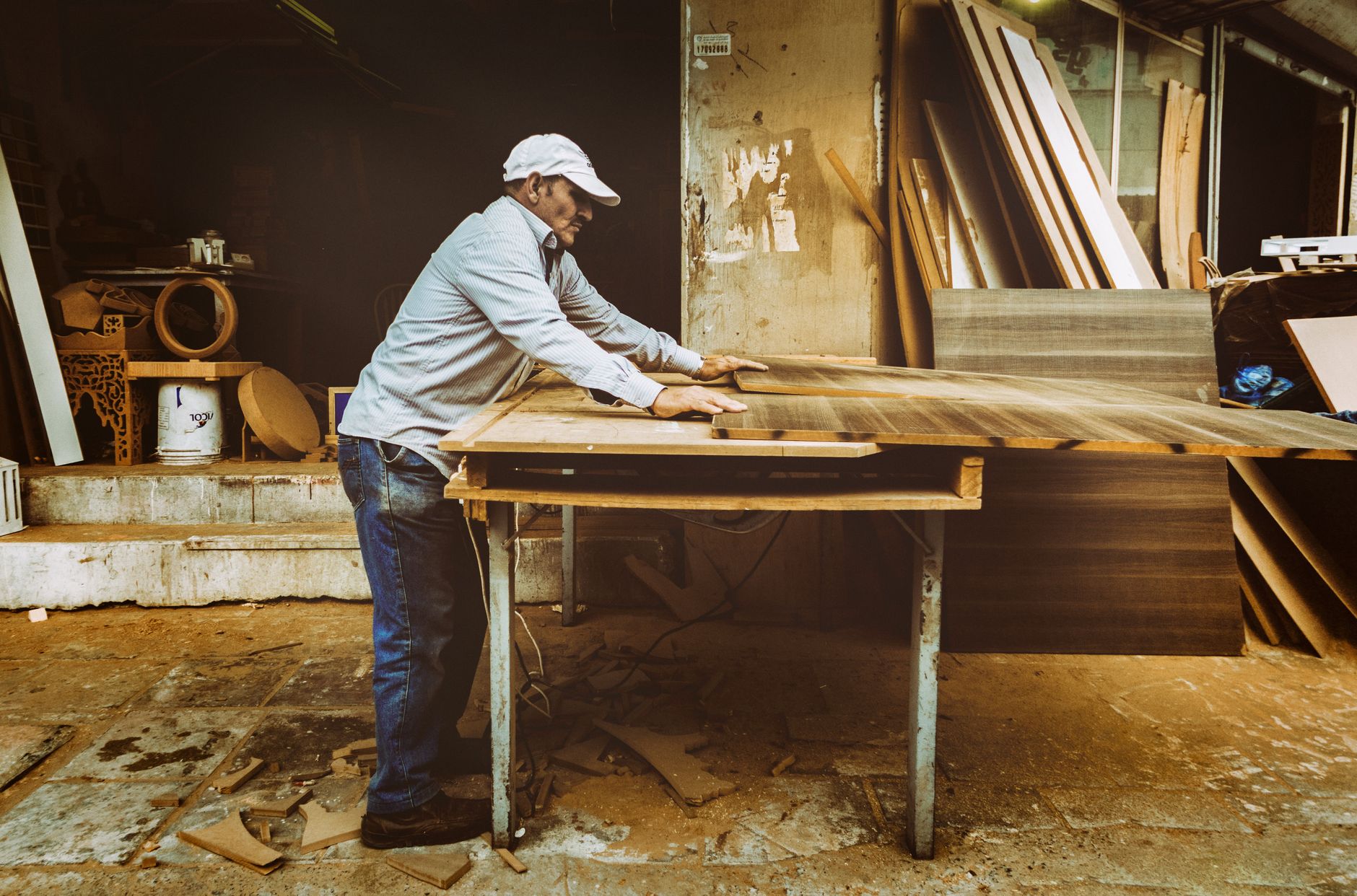
I used hand tools wherever I could, because the fire had taken Amos’s work and I wanted my hands to be as close to his as hands can get across forty years. And here is the thing I had not told anybody, not even Maggie until it was done. Over the years, slow, one piece at a time, I had been buying back my grandfather’s tools.
The man from the Lafayette auction had sold them in lots to collectors and dealers, and I had spent the better part of fifteen years finding them, a chisel here, a plane there, paying far more than they were worth because to me they were worth everything, every one of them stamped AR in the heel. I had most of them back. Not all. But most. And I built that chancel for Clayburn Methodist with my grandfather’s own tools, the ones my father had sold off a dead man, and there was more justice in that than in anything a court could have handed me.
On the communion table, in a place where you would only find it if you went looking, the underside of the top where the celebrant’s hands rest, I carved two sets of initials, small. AR and CR. Amos Ryder and Caleb Ryder. The old man and the boy he made. I did not tell anybody about that either.
The dedication was a Sunday in October. They had held the restoration back to unveil it all at once, and they made a day of it, because a town like Clayburn does not get many days. The paper was there. The county commissioner came. They had folding chairs down the side aisles and out into the vestibule and the doors propped open with people standing on the steps in the cold, and I have never before or since seen that many people in that building. The Hendricks family was there, four generations. Eunice Parr was there in a wheelchair in the front. Walt Dekker was not there, and I missed him, and I wore his old shop apron folded in my coat pocket so a piece of him would be.