The Workshop They Threw Me Out For
Walt passed when I was twenty-nine. He left me his shop. Not in some dramatic reading-of-the-will way, he just told me a year before he died that it was mine when he was done with it, and he shook my hand on it, and that was the whole contract, and it held, because some things do not need a lawyer, they need two men who mean it.
I moved the shop back to Clayburn. I want to be clear that I did not do it to get in my father’s face. I did it because land and shop space were cheaper in my home county, and because Maggie was pregnant with our Nora by then and we wanted her grandmother close, Maggie’s mother I mean, since mine was not available to us. I bought an old implement dealership out on State Road 29, a big metal building with good light and a gravel lot, and I hung a sign.
The sign is important, so let me tell you about the sign.
I had a man letter it by hand, dark green on cream, and it says RYDER WOODWORKS, and under that, smaller, it says EST. 1961, which is the year Grandpa Amos opened the barn, not the year I opened the shop, because I decided my shop was his shop carried forward, and I was not going to let a man who sold his father’s tools also steal his father’s start date. That sign sits forty feet off State Road 29, and State Road 29 is how you get from Clayburn to the interstate, so there is not a soul in that county who has not driven past my grandfather’s name a thousand times.
My father drove past it. I knew he did. There is only the one road.
He never stopped. Four years, and he never once pulled into that lot.
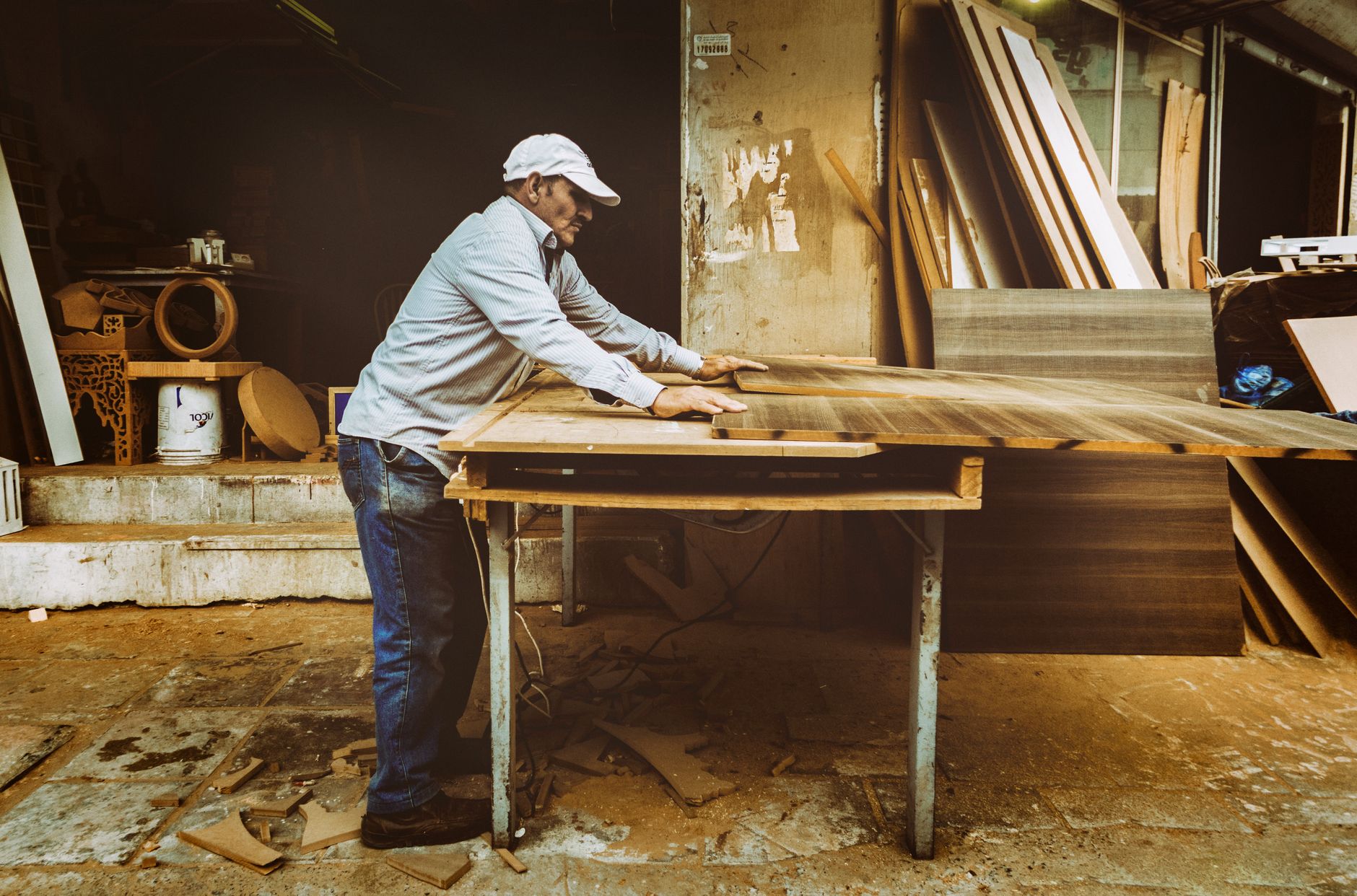
The work grew. That is the plain fact of it, and I will not dress it up, but I will not shrink from it either, because shrinking from it would be letting the old voice win. People wanted what I made. Word moved the way it moves out here, slow and then all at once. A table for a family led to the pews for their church led to a feature in the county paper, the Clayburn Record, a half page with a photo of me at the bench that my mother cut out and kept, I found out later, in the drawer of the blanket chest I made her when I was twelve, the one chest my father never got around to burning.
I did custom pieces for people three states out. I took on two young hands of my own and taught them the Amos way, sharpen before you cut, read the board, get out of the work’s way. I made a good living. Not a rich man’s living. A good one, the kind that feeds a family, which if you are keeping track was the exact bar my father set for me the night he broke my mother’s desk, and I had cleared it, and he had never said one word.