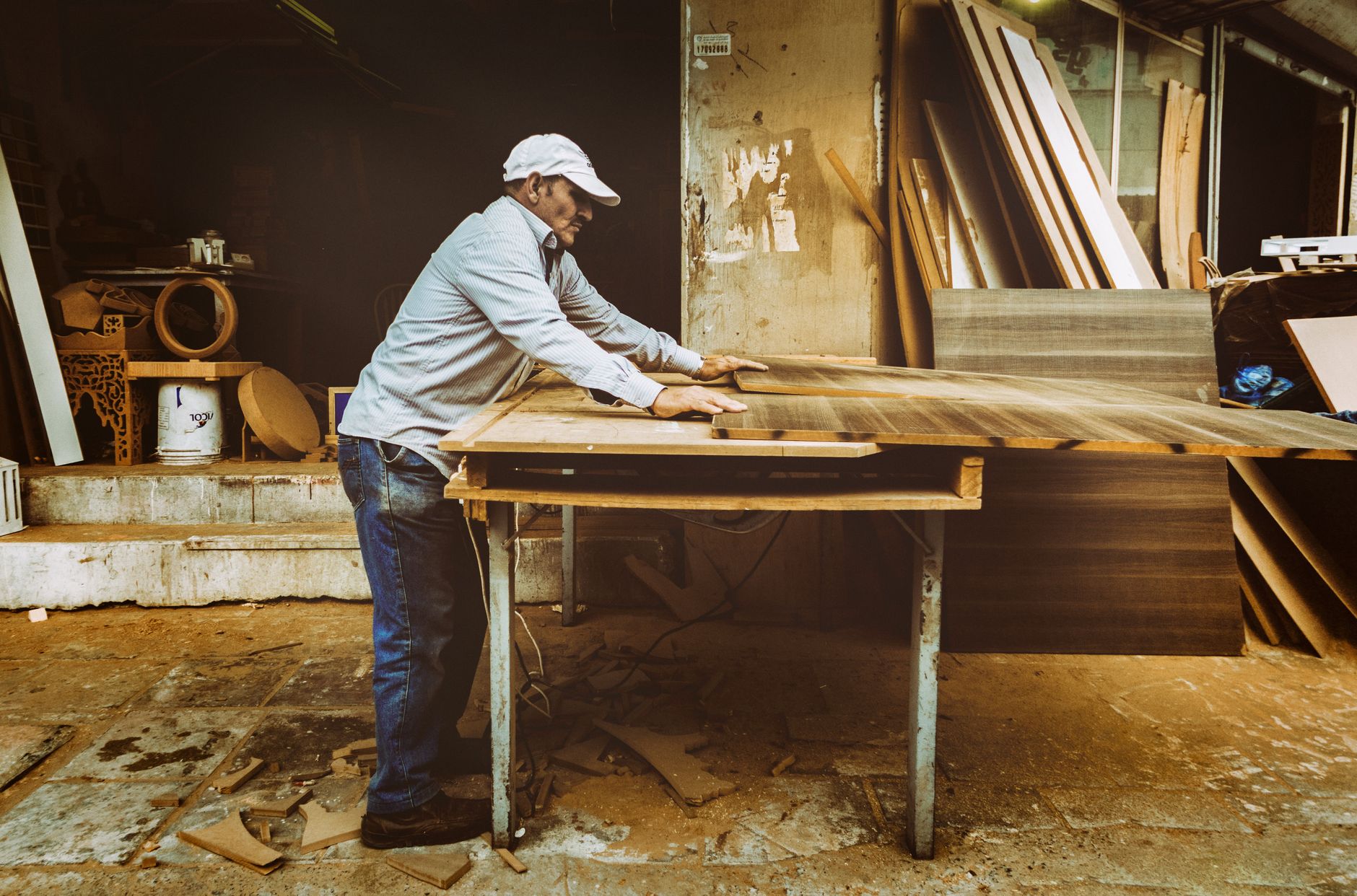
The Workshop They Threw Me Out For
My grandmother passed when I was fourteen, and Grandpa Amos went downhill fast after, the way they do. He died the spring I turned sixteen. He died in March, and we buried him at Clayburn Methodist, in the cemetery out back where the Ryders have been going into the ground since before the Civil War, and the whole town came, because everybody in three townships owned something Amos Ryder had made, or wished they did.
I thought, standing at that grave, that my father might soften toward the barn now that it was just a thing his dead father had loved. I was sixteen and I did not understand my father yet.
What he did instead was wait until I was at a church youth trip to Kentucky, a whole week, and while I was gone he cleaned out the shop.
I came home on a Sunday night. I had been gone seven days. I went straight out back the way I always did, before I even took my bag inside, because I could not wait to get my hands on a project I had left clamped on the bench, a small writing desk I was making for my mother on the sly.
The barn was empty.
Not messy, not rearranged. Empty. The benches were gone. The wood stove was gone. The lumber I had been drying for two years, cherry and walnut I had begged and traded and hauled, was gone. The wall where Grandpa Amos had hung his tools on their painted outlines, every chisel and saw and plane in its exact place so he would know at a glance if one was missing, was bare. He had painted those outlines himself fifty years before. They were still there on the boards, gray ghosts of tools, hanging on to nothing.
My father had sold it all. He had called a man from an auction house in Lafayette, and he had sold my grandfather’s tools and my grandfather’s benches and two years of my wood, all of it, for a number I found out later and will not repeat because it still makes me sick. The writing desk for my mother he had broken up and put in the burn pile behind the machine shed. I found the clamps in the ash. Steel does not burn.
I do not remember walking back to the house. I remember being in the kitchen, and I remember my mother at the sink not turning around, and I remember my father at the table with the market page, and I remember my own voice coming out of me like something tearing.
He let me yell. He folded the paper. And then he said the thing I have carried for twenty years, in the flat quiet voice he used for prices and weather.
He said, I did you a kindness. You will thank me when you are grown. No son of mine is going to whittle his life away in a barn and end up like the old man, taking charity furniture off people who felt sorry for him. You will learn a trade that feeds a family, or you will learn what it is to go without. There is no third thing.
I was sixteen. I did not have a third thing. I stayed.