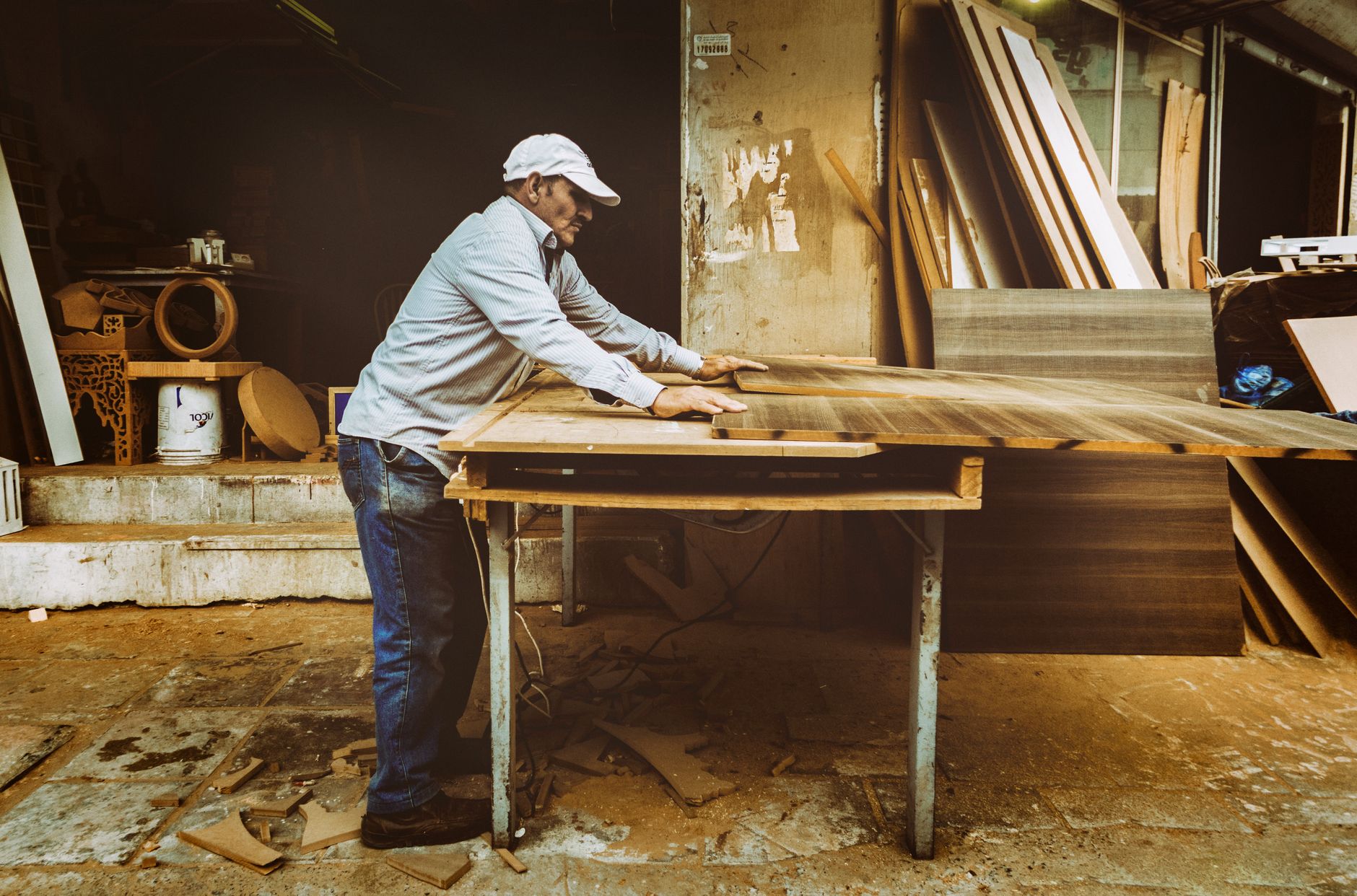
The Workshop They Threw Me Out For
My mother and I found our way back to each other slow, in the years after I came home. She would come to the shop on a weekday morning when she knew Vernon was out in the fields, and she would sit in the chair by the stove and watch me work and not say much, the way Amos used to. One of those mornings, when Nora was about three and asleep in the playpen I kept in the corner, my mother said the thing I had been waiting sixteen years to hear.
She said, I should have come down those steps. In the gravel. I have thought about it every day. I was afraid of him, and that is not a good enough reason, and I know it.
I told her it was all right. She said, No. Let me say it is not all right, and let me say I am sorry, because you deserve the whole thing and not a comfortable piece of it. And then we both cried in the sawdust, and she held her granddaughter, and I had my mother back. I tell you that so you know the story is not only about a hard man. It is also about a woman who found her courage late and used it, which counts for more than people think.
My father, though. My father was stone.
Now I come to the church.
Clayburn Methodist is the oldest building in town, red brick, eighteen seventy-one, with a sanctuary full of woodwork that generations of local hands had made and mended, including a good deal of it my grandfather. The communion rail was his. The pulpit was his, built the year my father was born. That was a thing the town knew and I knew and that, I think, my father spent his whole life trying not to think about, worshiping every Sunday at a rail his own despised father had made with the hands Vernon was so sure had wasted a life.
In the spring of my thirty-eighth year, the old wiring in the wall behind the chancel shorted out in the night and started a fire. The volunteer department got there fast and the building was saved, but the whole front of the sanctuary was gone, the rail, the pulpit, the communion table, the paneling, all of it burned or ruined by smoke and water. Amos Ryder’s work, seventy years of it, gone in an hour.
The congregation raised the money to restore it. And then the restoration committee had to decide who would build the new chancel furnishings, and this is where you would expect me to tell you I marched in and claimed my birthright. I did not. I did not even put my name in. I was afraid of it, to be honest. I knew my parents still sat in the fourth pew on the left every Sunday of their lives, and I knew what it would mean to make that church beautiful for them to kneel at, and I did not think I had it in me.