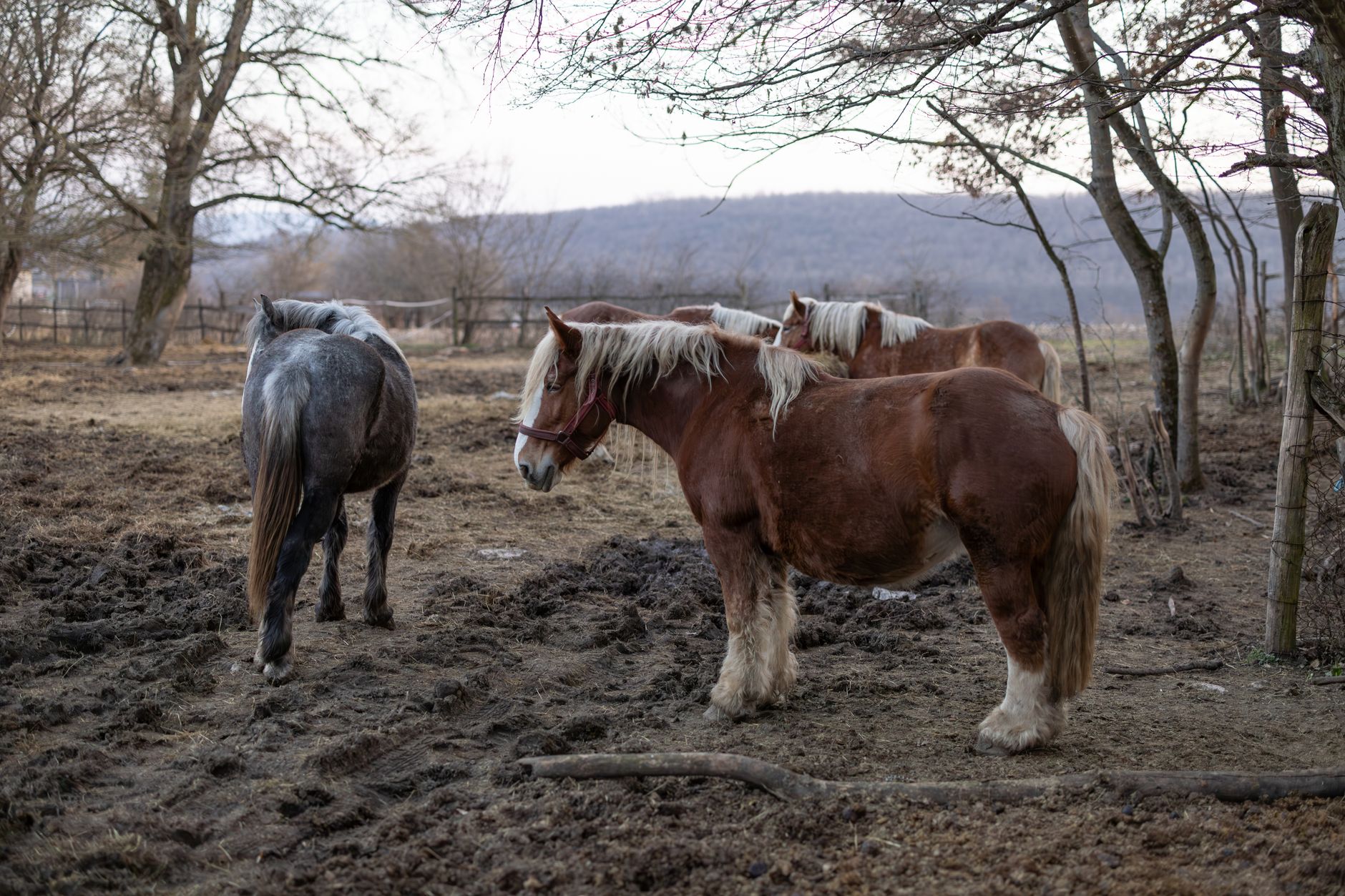
The Mare I Promised Never to Sell
What we did
We sat down at my kitchen table that Saturday, all four of us, with Kevin’s wife making coffee. This time I was the one who began.
“I have a few things to say,” I said. “And you will let me finish.”
Kevin opened his mouth and shut it again.
“I am going to keep the mare. I made a promise. I am not going to argue about it and I am not going to explain it, because I can’t. I’m sorry that I made it so hard on you both. I was wrong to say what I said about taking help. It was pride, and it was Ray’s pride, and I borrowed it.”
My son was looking at his hands.
“Gene says half would do wonders. Forty-six hundred. I would like to ask you for it.” I made myself say the next part. “Not as a gift. As a loan. I’ll write it down and sign it, and I’ll pay it back at three percent. That’s what the bank would charge. You’ll get it back.”
Kevin let out a short laugh. “Mom, we don’t need a note.”
“I need one.”
“All right.” He rubbed his jaw. “All right, Mom. We’ll draw it up.”
“And the other half?” Janice asked. She was sitting very straight.
“I’m going to earn it,” I said.
I had called Owen Brandt that morning, before anyone was up. I told him straight that I was not selling the mare, and that I understood if he never wanted to speak to me again.
Then he said, “Mrs. Schaffer, I was hoping you’d call about something else.”
“What do you mean?”
“I need a mare for the season, and you’ve got one standing idle. I’ve got twenty-three dates booked between the first of December and Valentine’s Day. Church sleigh rides. The Christmas lighting in Callaway. A wedding on New Year’s Eve.” He took a breath. “I was going to offer you a lease and I didn’t have the nerve.”
“A lease.”
“She stays your mare and goes home to your lot every night. I haul her over and I haul her back, and I pay two hundred dollars a date. Twenty-three dates, paid in advance, so you can put it toward your bank.”
He stopped. “I would never take your husband’s horse, Mrs. Schaffer. But I’d be honored to borrow her for the winter. And I’d want you in the wagon, if you’d ride along.”
“Twenty-three dates,” I said. I was already doing the sum. Twenty-three times two hundred is forty-six hundred dollars.
“And if we come up short on dates, you keep it anyway,” he said. “I’d be doing you no favors, Mrs. Schaffer. I need her.”
I put the envelope on the table in front of my children. Forty-six hundred from them. Forty-six hundred from the season. Nine thousand two hundred.
It came to exactly what I owed.
I am not a woman who thinks the Lord sits in heaven balancing my checkbook. But I looked at those two numbers side by side on the back of an envelope, and for the first time in two months I could breathe all the way down.
Gene Pollard wrote the paper the following Monday. The main office in Omaha looked at it for nine days and sent it back with one signature and a note in the margin: Good-faith payment received. Plan accepted.
I have it in the kitchen drawer. I look at it sometimes.