The Mare I Promised Never to Sell
What it costs to bury a farmer
I won’t go through every dollar. When a man dies who has farmed one hundred and sixty acres for forty-one years, the first thing that happens is that everyone is very kind, and the second is the mail.
Ray’s last hospital stay in Kearney left a balance of eight thousand four hundred dollars after the insurance. The billing office set me up on a plan at eighty-five dollars a month, and I have paid it on time every month since.
The church ladies fed two hundred people in the fellowship hall and would not take a cent, and I still owed the funeral home.
The cattle I sold in April, twenty-two cows with calves at side, to a man from over by Arnold who was fair with me. I cannot run twenty-two cows alone at seventy.
That money went to the funeral home, the vet, and two years of back feed. In June I sold Ray’s baler to Marvin Kopp across the road, who had been after it since Carter was president. It brought less than it was worth, and Marvin knew it and so did I.
And still, on the Monday after Labor Day, Gene Pollard at Farmers State Bank asked me to come in and sit down.
Gene is fifty-eight and has been at that bank since he was twenty-two. He shut his door, which he does not do, and put a sheet of paper in front of me with three numbers on it.
Ray had carried a mortgage on the place since the drought and hail years. We had been making it. But the year Ray was sick the payments fell behind, and the property tax came due on top, and between the two I was short by nine thousand two hundred dollars.
“I can carry it to the second of January,” Gene said. He looked at his pen. “After that it goes to the main office in Omaha, and it’s not mine anymore, Arlene.”
“What happens after that?” I asked him.
“I don’t want to find out,” he said. “I’ve seen it go three ways. You pay it. Or you sell something. Or they start the paperwork.”
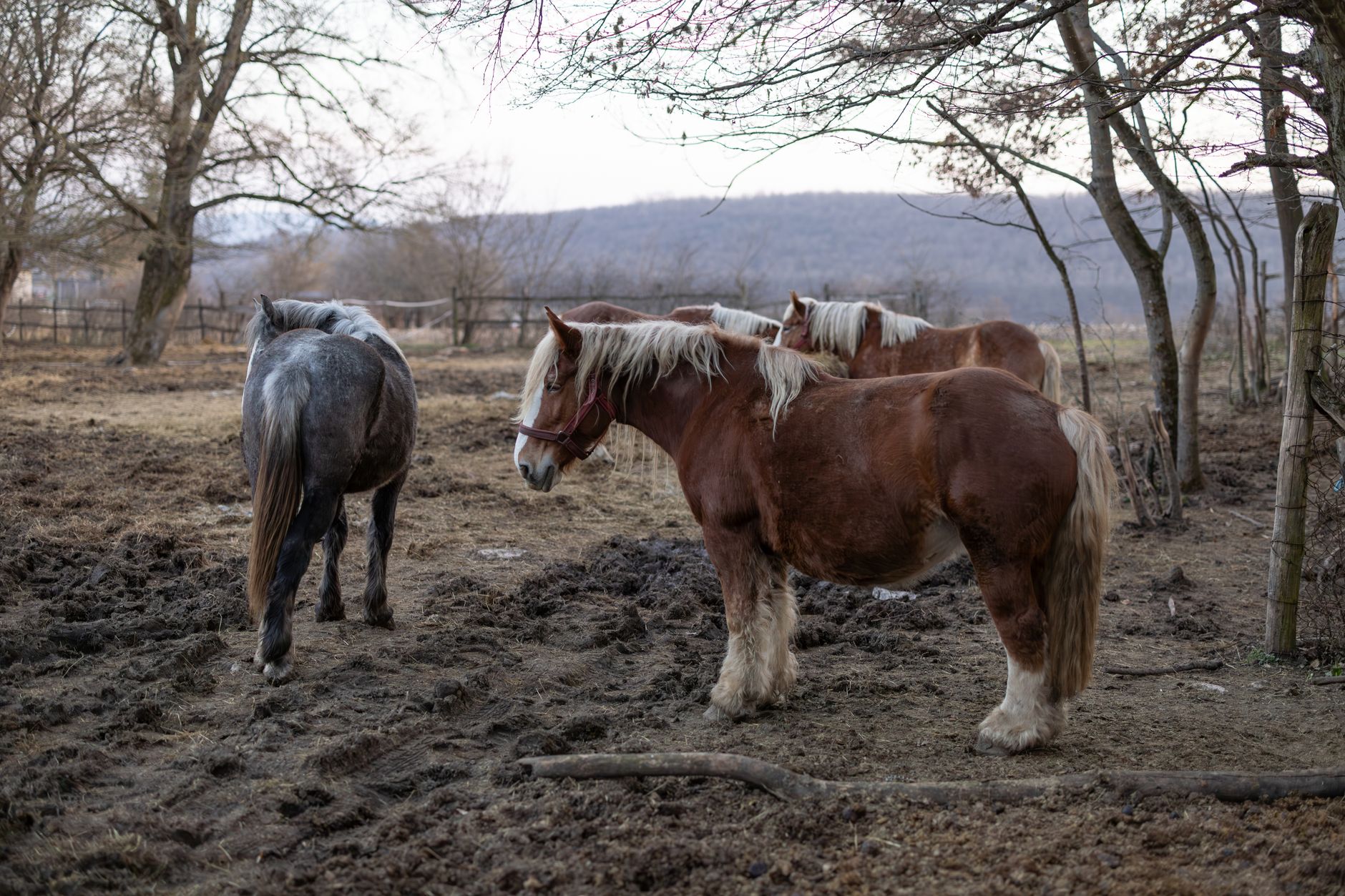
There were two things I could sell, really. The first was Bess. Nobody had said so yet.
The second was the north eighty, the back half of the place, the land Ray’s father had broken with a team of mules in 1951, with the creek on it and the foundation of the first house. Marvin Kopp had wanted it for twenty years.
He had stopped at my kitchen door in May with his cap in his hands. “Arlene, I’d never push. But if you ever do need to sell, call me first.” He meant it kindly. They all meant it kindly. That was the trouble that October.