The Day I Set Down My Cane
The house was very quiet. Lorraine’s chair sat in the front room where it had always been, her blue and yellow afghan folded over the arm. I had not moved anything in four years.
I was not going to fix Sheila. A man does not fix a fifty-four-year-old woman in a week by telling her what to feel. I had said what I had, and it had not carried.
But there was a thing I could do, and I knew it in the way you know where the stairs are in the dark.
I said it out loud, to be sure. “Forty feet.”
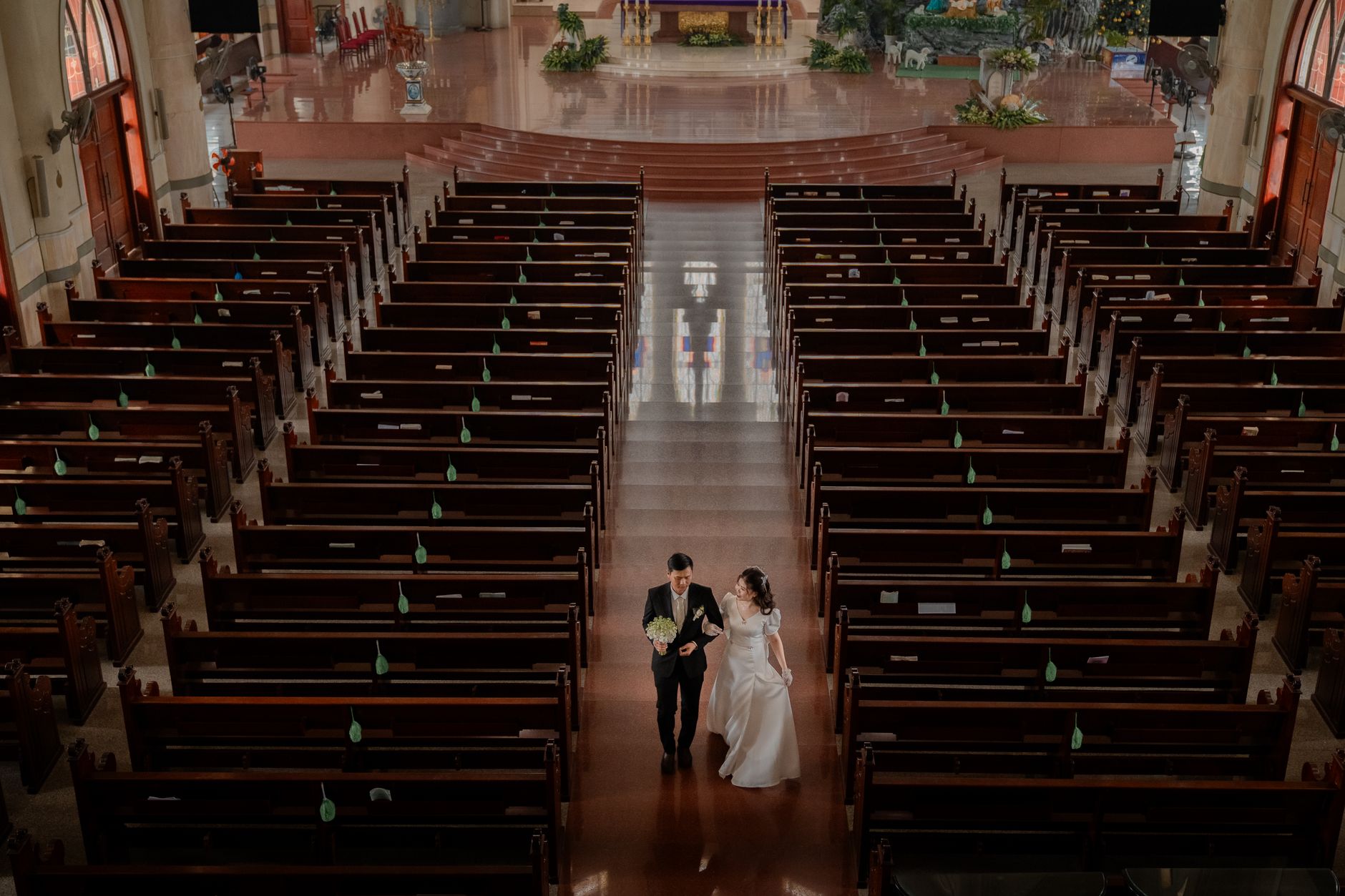
Forty feet of aisle, nine pews a side. I was eighty-one, with a left hip the doctor wanted to replace and I had said no to, because I’d rather limp than be put under. I used a cane, and I did not like to use it in front of people.
It was then I understood it would cost me something. And that I’d pay it.
Saturday was the kind of October day the whole year is trying to get to. Clear and blue, sixty-four degrees at noon, the beans in, the ditches full of goldenrod gone to seed.
Codi came by at ten, hair in rollers under a scarf, to fix my crooked tie. “Mom didn’t call,” she said. “It’s all right, Grandpa. I’ve done harder things than walk by myself. I’ll walk fast, and nobody will notice.”
“Everybody will notice,” I said.
“Then I’ll let them.”
“I’ll be at the back of that church by a quarter to two,” I said. “Wherever you are in the building, you wait for me.”
“You don’t have to, Grandpa.”
“I’ll be there anyhow.”
I said nothing, which in my family has always been a form of argument. When her car was gone I sat down and put my face in my hands for exactly one minute. Then I shined my shoes.
Bethel Methodist is a white frame church out on County Road 6, nine miles east of Lindley, built in 1912 by people who hauled the lumber in by wagon. It smells of floor wax, and there is always a draft from under the vestibule door.
I got there at twenty past one. Pickups were lined up along the ditch for a quarter mile. I did not expect that. I’d expected twelve people.
Pastor Lund met me at the steps, a stout, red-faced man of about fifty. He took my hand in both of his.
“Elwood. I heard Sheila isn’t coming. I’d have talked to her if she’d have had me. But neither of us can make a person walk through a door.”
“We can leave it open,” I said.
Inside, Doreen was already at the organ, playing the soft old hymns that go before. I counted the pews out of habit, standing in the back, with my cane against my knee.
The groom’s side was full to the walls. The Becks have been in this county since before the highway, and Nate’s mother Lorna had filled it with aunts, uncles, cousins and the boys from the implement dealer in clean jeans. Vera, his grandmother, sat in a wheelchair at the aisle end of the sixth pew in a blue hat with a pin in it, and when she saw me she lifted two fingers off her blanket and waved.
The bride’s side was thin.