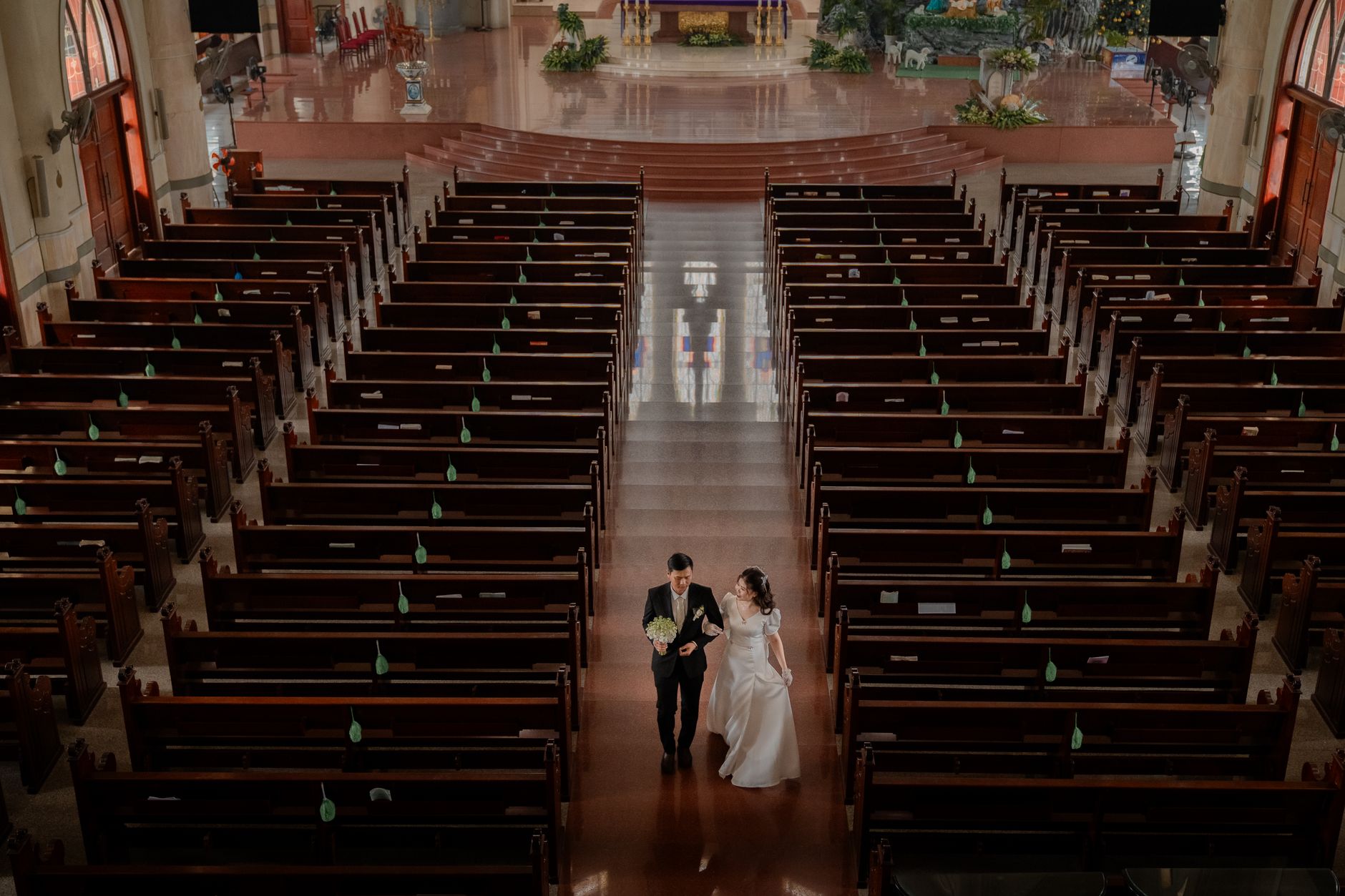
The Day I Set Down My Cane
My wife had cancer, four winters back, the kind that does not give you a spring. Sheila took the weekday nights. Codi took Sundays, driving forty minutes out after her shift with her hair still wet. She would climb up on the bed in her work shoes and read the church bulletin aloud, every announcement, even the spaghetti supper, in all the voices.
On the last Sunday, Lorraine opened her eyes and said, “Cordelia.”
“I’m here, Grandma.”
“Are you.”
“I’m here.”
“Then I’ll sleep now,” Lorraine said, and she did, and she did not wake up.
Two springs after the funeral, Codi came out to the porch with a Folgers can in her hands. She had been carrying it in her car for weeks, wrapped in a dish towel. She sat down on the step.
“I found it in March,” she said. “I was twenty-four. I’d been looking since I got out of Wichita. It was in a case at a jewelry store in the county seat. Somebody bought it off the pawn man and sold it on. The pawn man gave me eighty-five dollars for it. I counted it twice in the car. I knew it from the inside. I could see the letters.”
She pried the lid off the coffee can.
The ring was in a nest of cotton. A plain gold band, worn thin on one side. Inside it, in letters the size of a gnat’s eyebrow: L and E, 1966.
“Four hundred and ten dollars,” Codi said. “I paid it off in eight months. I wanted her to see it come back, Grandpa. I wanted to put it in her hand. I was two years too late.”
“She knew you were coming.”
“She did?”
“She said so the day you took it. She said you’d bring it back when you could look at her.” I put my hand on her head, the way I did when she was little. “And you could look at her. She said your name last.”
She cried then, and I let her.
I did not take the ring. I closed her fingers around it.
“That was made for a woman who got up every day and went on,” I said. “That’s you. You keep it. You wear it when you marry.”
“I’m not going to marry anybody.”
“Then you’ll wear it anyway.”
I mention it because Sheila knew about the ring. Sheila knew every bit of it, and she went on holding the line.
Nate Beck called that night around nine. Twenty-nine, a mechanic at the implement dealer in town, a big quiet fellow with grease worn into his knuckles. They met at Prairie View, where his grandmother Vera lived two years and Codi was the aide who knew how Vera took her tea. It took him most of a year to ask her to supper, and she told him the whole truth first, over a plate of pot roast. “I said I wasn’t asking about her past, I was asking about Thursday,” he told me once. I liked him for that.
“Elwood,” he said. His mother had told him to call me that, and he still sounded like he was borrowing it. “Sir. I wanted to ask. Is she going to be all right? It’s a week from tomorrow. Sheila called her this afternoon.”
“I expect she’s crying.”
“She isn’t. That’s what worries me. She said, that’s all right, Nate, I’ll walk myself. She said it like she was ordering lumber.”
“Your father offered to walk her,” I said.
“She told him thanks and no. She says she won’t be handed off to a man who just met her. If she can’t walk it with her own, she’ll walk it alone.”