The Garden That Came Back
I did not arrange any of it. I did not say a word to one of those people. They came to a graduation party and found a garden missing and said, to whoever was nearest, what was in their hearts.
And Megan stood there with her pitcher of lemonade and listened.
*
It was after nine and nearly dark when everyone had gone. I stayed to help with the dishes, which I could not have not done.
Megan stood at the sink with her hands in the water, not washing anything.
“My mother grew up in a trailer park outside Dayton,” she said, low and flat. “Did you know that?”
“No.”
“She married my dad and he lost his job when I was seven. We lost the house. We lived four years in an apartment complex off Route 4. My mother kept one tomato plant in a bucket on the little concrete balcony. The management sent a letter. They said it was unsightly and other residents had complained.”
I dried a plate and said nothing.
“She took it down. She never put another one up.” Megan swallowed. “When we moved out here, the first thing I thought when I saw your garden from the road was that it looked poor. Like a place where somebody couldn’t afford grass. I felt like that kid at the school bus stop. And I thought, if I clean it up, nobody will ever look at us and see that.”
She was crying now, quietly, hands still in the dishwater.
“I told myself it was property value. I’m in real estate, I know better. But even while I signed the check, I was thinking about the kid on the bus.” She looked at me finally, her face swollen. “Today I listened to people tell me what it was. Nobody ever told me. I thought it was a hobby.”
I set down the towel.
I had a speech ready. I had rehearsed it two weeks, awake on my side of the bed, and some of it was very good. But standing in that kitchen with my son’s wife weeping into a sinkful of suds, every word fell away, and something else came out.
“It was a hobby,” I said. “The way breathing is a hobby.”
She made a sound that was half a laugh.
“In 1986 that garden meant exactly what you thought. It meant we couldn’t afford to buy beans. I hid it behind the barn so nobody would drive by and see. I know that kid on the bus, Megan. She and I could have sat together.”
I dried my hands.
“You didn’t ask me. I wish you had. If you’d said, Phyllis, I’m afraid of how this place looks, I would have told you about the bus. I won’t pretend it didn’t hurt. I stood in that lane and thought I might die of it.”
“I’m so sorry,” Megan said. “I don’t know how to fix it.”
“You can’t fix it,” I said, as gently as I knew how. “But it isn’t a thing that needs fixing, sweetheart. It needs planting. And I could use a hand.”
*
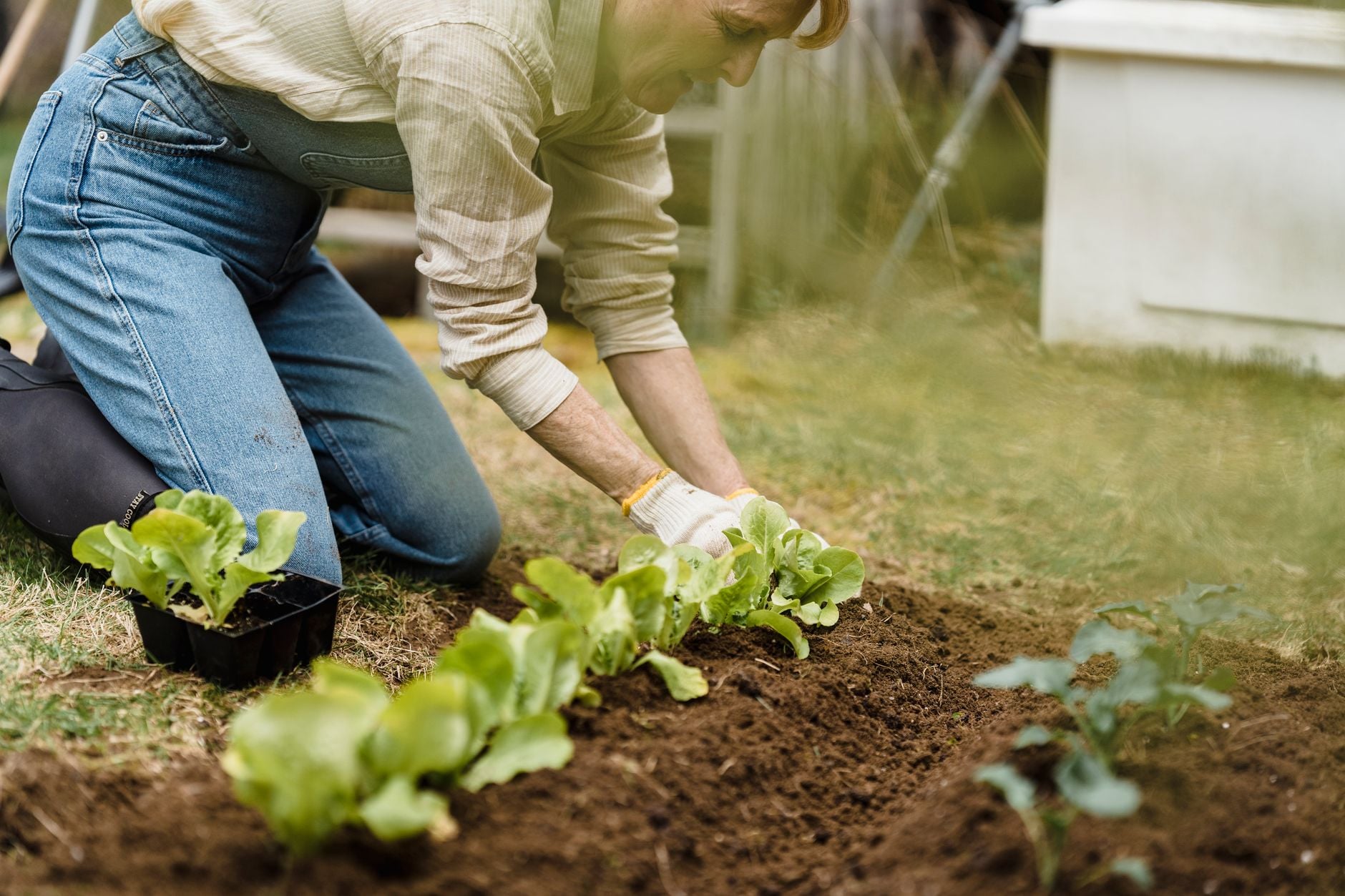
We planted the Saturday after, the thirtieth of May. Late for beans, but not too late.
Tammy Rudd brought a broadfork and showed us how to loosen the packed ground without killing what lived in it. Ray ran the tiller across the middle once, shallow, the way Earl used to. Brent and Owen worked the clods, and the teenagers raked.