The Garden That Came Back
I did not say so. I looked at my daughter-in-law’s pretty, worried face and understood two things at once.
The first was that she had no idea what she had done.
The second was that I would have to find a way to forgive her before I found a way to fix it, because I could not do the fixing with that much anger sitting on my chest.
“I’d like to walk out there,” I said.
“Sure. It’s totally safe. We tamped it.”
Tamped it. I carried that word into the house like a stone in my shoe.
*
I should tell you what that garden was, or you will take me for a woman grieving over some tomato plants.
Earl and I married in 1976. He worked at the co-op in town, the grain elevator and feed mill, and in the spring of 1986 the co-op laid off nineteen men in one afternoon. He was one of them. Brent was five. I was working part-time in the school cafeteria, which paid about enough to keep the car in gasoline.
Earl came in from the yard and said, “I’ll turn the ground behind the barn.”
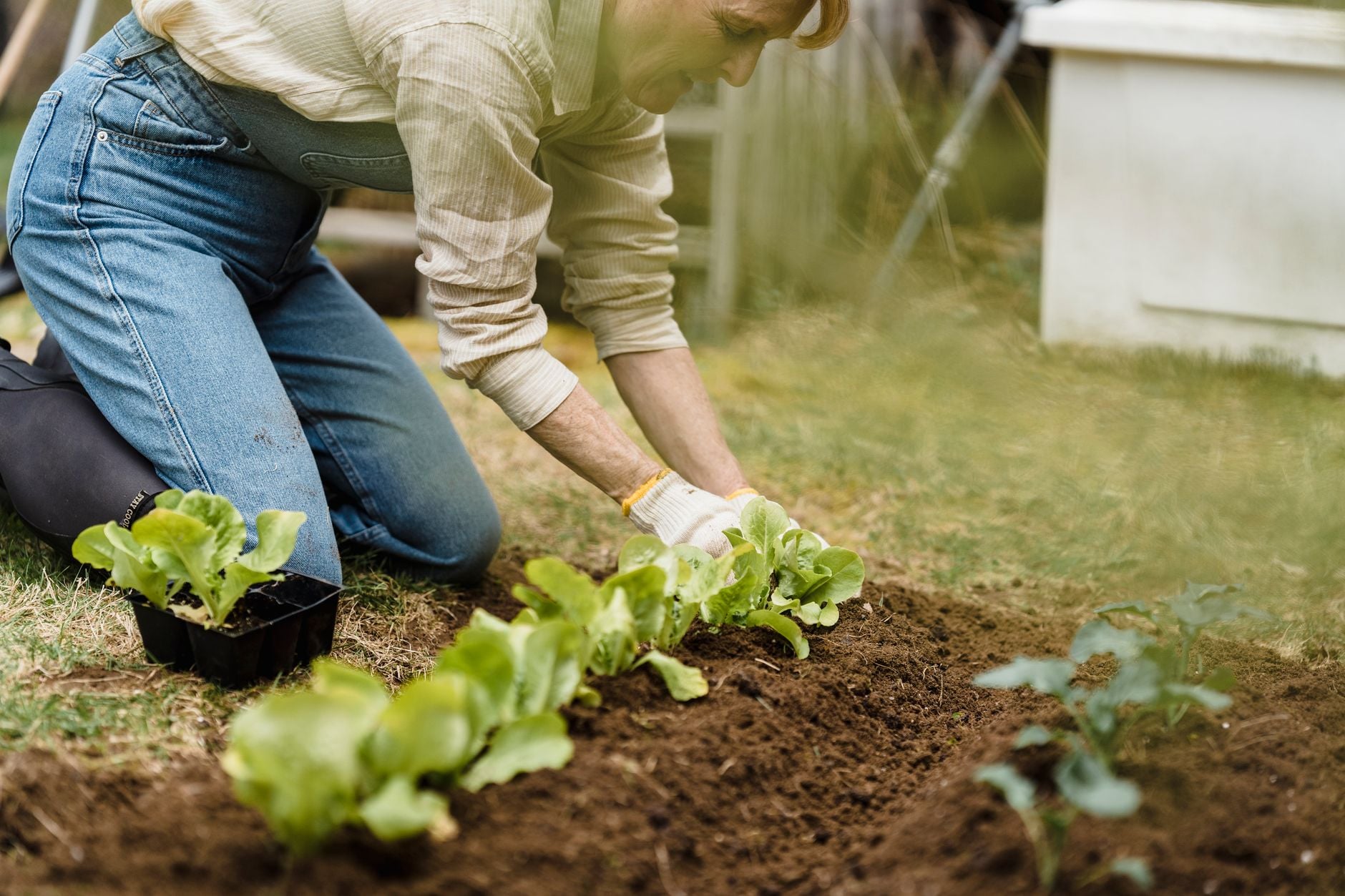
He borrowed a tiller from Bud Ferrell across the road. I planted what the hardware store sold for a dime a packet, and what Earl’s mother gave me out of an old Folgers can: half-runner beans she called greasy beans, a pink tomato her grandfather’s people had carried from Germany, and a little yellow-green cucumber nobody in the county could name.
I was ashamed of that garden the first year. I put it behind the barn where the road could not see. In 1986 a garden in the country did not mean a hobby. It meant you were not doing well, and people drove by slower.
We ate from it three meals a day. I put up forty-one quarts of beans and sixty of tomatoes and stacked them on the cellar shelves like bricks, and I will never forget the dull heavy clink of being safe.
I started with Opal Hensley, who had lost her husband that spring and did not cook for one. A sack of beans on her porch rail. Then Ray Pruitt’s family down the road, when the plant in Lima cut his hours: a flat of tomatoes, a sack of potatoes set in the bed of his truck while he was in church. The church pantry every Wednesday from June to frost.
I never sold a tomato. When people asked what I did, I said, “I keep house.” I never once said what I did. I fed people. It was the work I was proudest of, and I had never said so out loud to a living soul.
Earl died six years ago this August, in the seat of the tractor at the end of the hay field. We buried him on a Thursday, and the next Saturday I was in the garden at six in the morning, because beans do not wait on grief. I picked all day.
So that is what Megan scraped off the earth in two days with a loader.
Not a hobby. Not an eyesore. Forty years of me.
*
I walked on it that evening. At the south end a few torn leaves stuck out of the ditch. I climbed down and my good shoes filled with water. Somebody had pushed the rhubarb crowns over the bank with the loader, and they lay in a heap in the mud with their roots to the sky, thick and red as an old man’s fingers.