The Garden That Came Back
On Sunday I went to church and told no one what had happened. Later somebody said I had rallied the road, and I did nothing of the kind. I did not say Megan’s name. I did not so much as say the word eyesore.
At coffee hour, though, Opal Hensley took my arm.
Opal is eighty-four. She taught school thirty-six years and has the gaze of it. She had her cane hooked on her wrist and said, in the dry way she says everything, “Phyllis, there are cones in your garden.”
“Yes.”
“And a great deal of rock.”
“Yes.”
“Bud went by at six on the tractor and says the fence is gone too.” She looked at me a long moment. “Is that something you’d like to talk about?”
“No, ma’am,” I said, and she waited.
Here is what happens when somebody who loves you waits. You tell them. I said only this: “They took the whole garden for parking. I wasn’t asked. I’m going to plant again, Opal. I wanted to say it out loud to somebody. Right where it was.”
“On top of the rock?”
“I haven’t figured out the how.”
“Well,” Opal said. “That’s the right order. You say you will. Then you figure.”
She patted my hand twice and walked off on her cane to talk to the pastor about the altar flowers, and I thought that was the end of it.
*
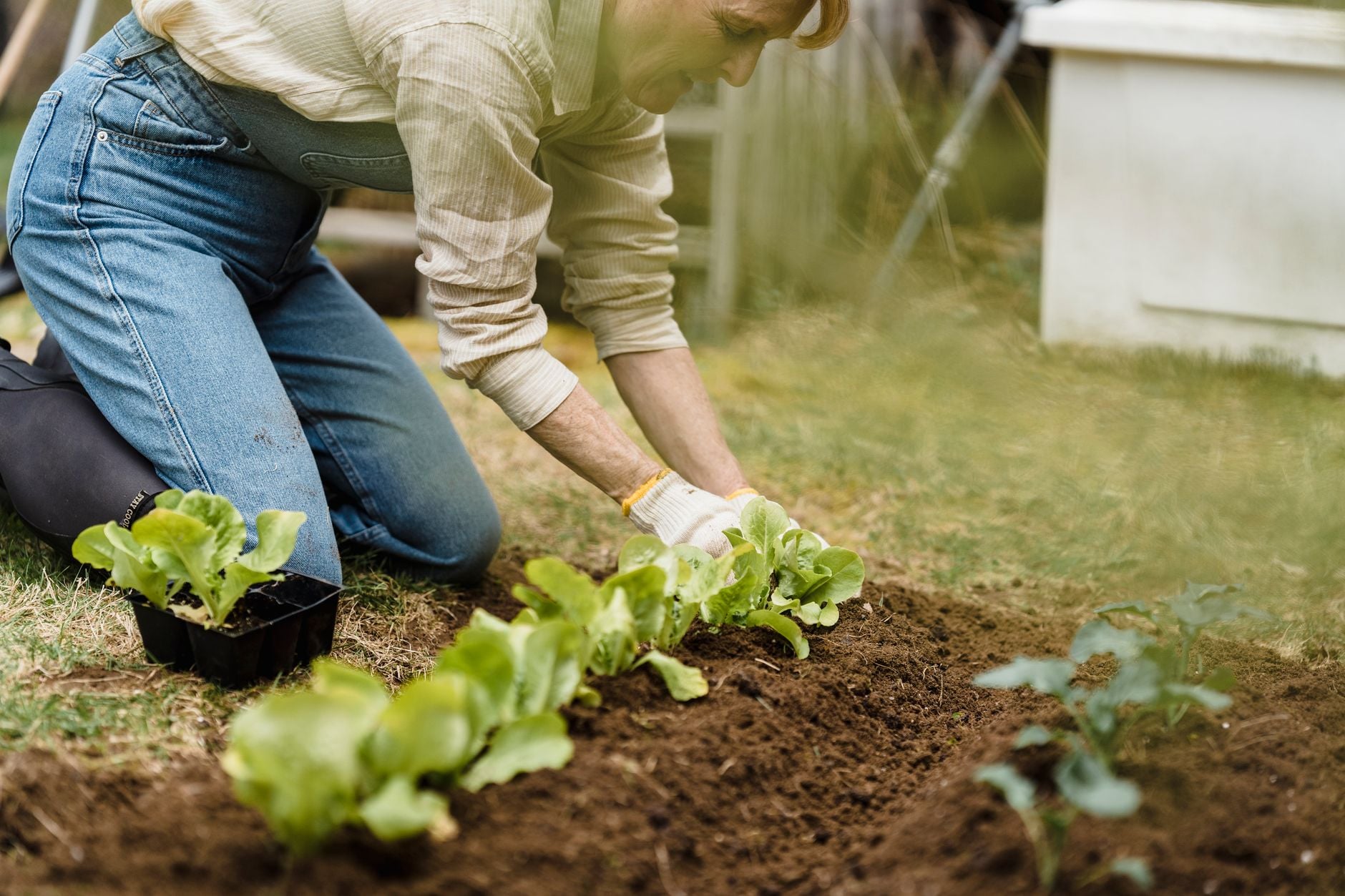
Monday morning I went out at six with a hand trowel, a five-gallon bucket, and a thermos of coffee.
I started at the northwest corner, where the gate used to be. I knelt, which took a minute, and worked the trowel under the edge of the fabric and began to peel it back.
It is not good work for a woman of seventy-two. I was a stubborn old lady on her knees scratching at black cloth with a seven-dollar trowel, and for the first hour I cleared a patch the size of a bath towel.
Under the fabric was dirt. Black dirt, forty years of leaf mold and manure and grass clippings and my own kitchen’s coffee grounds, a foot and a half deep in places. It was cold and gray on top, but a little deeper it was warm and smelled the way it always has, like the inside of a loaf of bread. A fat pink worm crossed my knuckle.
I said, “Hello, there.”
That was when I heard the truck.
Bud Ferrell’s old green Ford came slowly down the lane. Bud is eighty-one and has farmed the land across the road since before I was married. He got out and came across the stone in his coveralls and stood beside me looking at my bath-towel hole.
“Phyllis.”
“Bud.”
“Opal called.”
“I figured she might.”
He looked at the stone a long time with his jaw working. Then he went to the truck and came back with a flat-nosed shovel and said not a word. He started on the row beside me.
*
By Wednesday three more trucks had pulled in, and I never picked up the telephone. That is how it goes in the country. By Tuesday night all of County Road 9 knew that Phyllis Grubb was out digging up her parking lot with a spoon.
Ray Pruitt came Wednesday. Ray is sixty-four now. He is the one whose hours were cut in 1991, the one I left the potatoes for in the bed of his truck. He did not say why he had come. He dropped his jacket on the stone and said, “Where do you want me?”