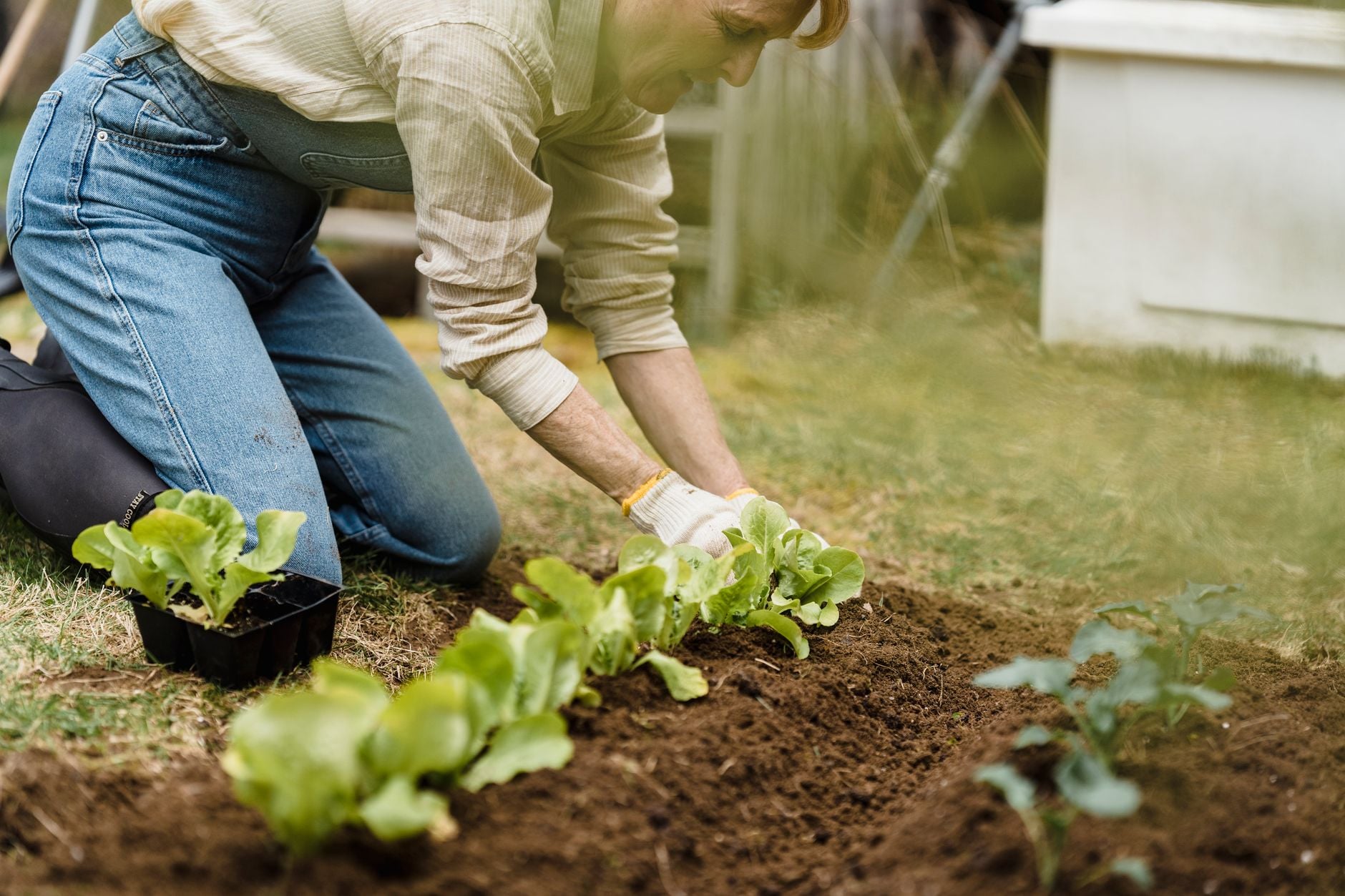
The Garden That Came Back
“It is,” I said. “It’s all that dust.”
And I felt, for the first time since I came up the lane, something I can only call peace. The damage was not undone. But the garden had never actually been taken. Something had been set on top of it, and it had gone on being itself underneath.
*
Brent came out around noon. He had stood in the kitchen behind his wife all morning, he told me later, watching the trucks, and neither of them said a word. Then he took his work gloves off the hook by the back door and walked out.
He did not speak to me. He took up a rake someone had leaned on the old fence post and began leveling the dirt the way his father used to. He raked for two hours. I said nothing.
*
The party was the Saturday after, the twenty-third. Eighty people, and the stone gone, and a real problem that was nobody’s fault but Megan’s and mine together. The lawn was too soft to drive on after a week of rain.
After church that Sunday I asked Bud whether he would mow the near ten acres of his hay field, the one along my lane. It was early for first cutting. The grass was knee-high and the field slopes and drains. He looked at me a while.
“I’d planned on baling that.”
“I know.”
“Phyllis, you don’t owe that girl a thing.”
“I’m not doing it for her. I’m doing it for eighty people coming to my grandson’s party who have to put their cars somewhere.”
He mowed it that afternoon. On the day of the party the Methodist youth stood in the lane in orange vests waving cars in with flags, and Caleb Hensley, Opal’s grandson, directed the first twenty like he was landing aircraft.
It was a lovely party, clear and seventy-two, with the iris just starting. Megan had hung paper lanterns from the porch and rented a tent, and I could see she had worked for a week. She wore a blue dress, and her face was as polite as a closed door.
I thought about not bringing the potato salad. But I have brought it to every graduation in this family since 1996, and the day I stopped would be the day it became a fight, and I wanted my grandson to have his party. So I carried two quarts across the yard in the green bowl with the dent.
The guests parked in Bud’s hay field and walked up the lane with their casseroles and cards. And one by one, as they passed, they stopped at the edge of my garden. They stood where the fence had been and looked at the long rectangle of bare black dirt, and then, because it is what people do in front of a garden, they began to talk.
I was across the yard with a tray of deviled eggs. I did not hear the first of it. But I saw Megan near the tent with a pitcher of lemonade, and I saw her face change. I saw her stop and listen.
She told me later what she heard.
Ray Pruitt’s wife, Lorraine, a round little woman in a flowered blouse, told three of Megan’s friends from the office, right there with her paper plate, that the winter Ray was out of work there had been a basket of green beans on their porch every week of summer, and her children never went hungry, and she never knew who sent it until the year her oldest girl followed footprints in the snow.