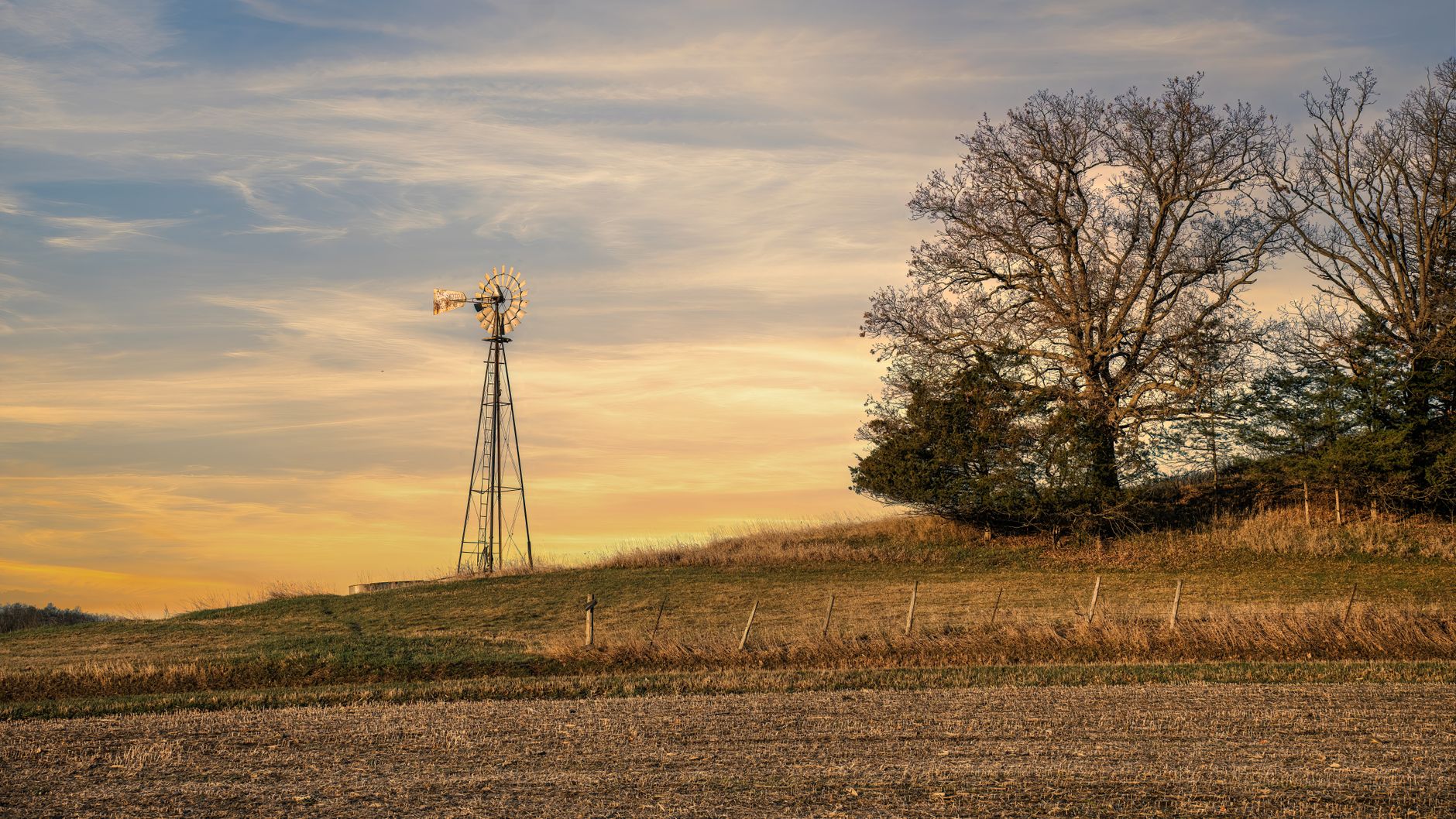
The Well That Held All Summer
Hobart
Hobart Pritchett was the last to come, and he came with a trailer.
It was the second week of July. He pulled up to the cattle guard at six in the morning with a thousand-gallon poly tank on a flatbed and a transfer pump, and sat in the cab for five full minutes before he got out. Hobart is not a man who asks. In all the years I had known him, I had never heard him say please to anything but a heifer in labor.
He got down, and he took his cap off and held it by the bill, and he looked at the hose.
“Ludie,” he said. “I’ve been hauling out of Mangum since the first of June. Forty miles a load, twice a day. The pond’s gone and the creek’s gone, and I’ve got seventy cows left and they’re drinking the tank dry by noon.” He looked at his hat. “Now I’m told you’ve got a well that won’t quit. I’ll pay you by the gallon, whatever you say. I’ll pay for the light bill, too.”
“No,” I said.
“Ludie.”
“Hobart, Gaylord didn’t drill that well to sell it.”
“Gaylord’s dead.”
“So he is,” I said, “and it’s still his well.”
He stood there. I will not say I was brave, because I was shaking in the knees, but I did not give him an inch. After a while he put his cap back on his head, and he said, “Well, then I’ll put in a line,” and I said, “I’d be obliged.”
That afternoon, Hobart and Merlin Speer, who had not spoken a word to each other since the school board fight in 2009, dug a trench across my front pasture with a rented trencher and laid a two-inch line from the pump house out to the road. Hobart told Merlin what he was doing wrong. Merlin told him where he could put it. By dark they had set a fifteen-hundred-gallon tank beside the cattle guard, with a valve and a float, so a truck could fill fast and I did not have to listen to forty minutes of a garden hose trickling.
The next morning, Hobart drove the first load of water to his cows. I did not go along. I only know what Aurelio told me after, because he had gone out to the Pritchett place that morning to look at a stuck trough.
Hobart parked the truck at the dry trough in his big pasture. He turned on the valve. The cows had smelled it coming from a quarter mile off, and they were already standing around the trough with their heads low and their ribs showing. When the water ran down the pipe and hit the metal, Aurelio said, the whole herd started to bawl at once, a sound he had never heard cattle make.
Hobart stood in the water that ran over the edge, in his good boots. He took off his cap. He stood there with it in his hand, and he did not say a thing, because he could not.