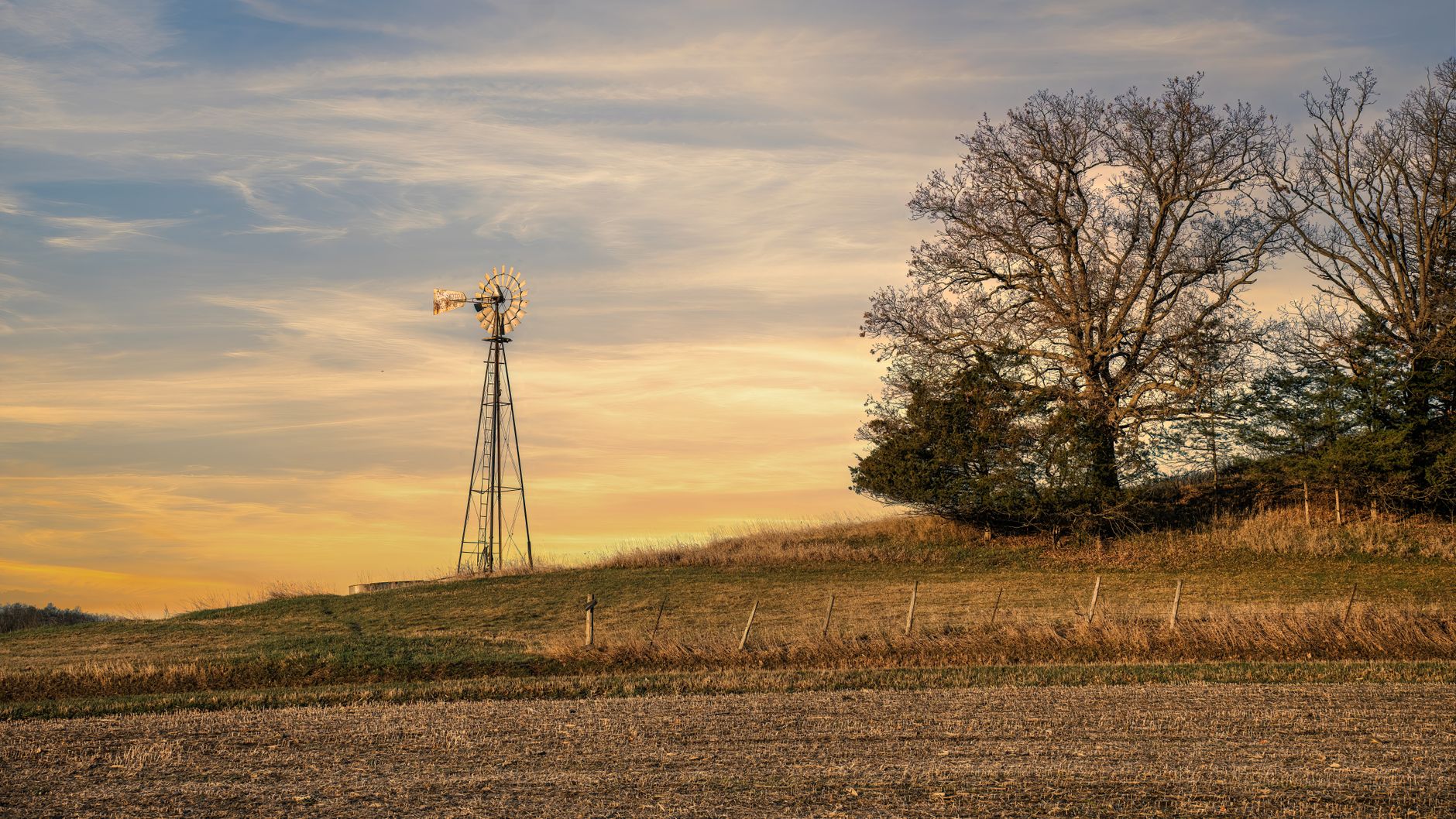
The Well That Held All Summer
The buckets
The fourth of June was the day the Cantus’ pump quit.
It was just coming on dusk. I was at the kitchen sink, and I looked up and there was a woman standing at my back screen door with a white five-gallon bucket in each hand, and a dishtowel folded over her forearm like a waiter. Behind her, with a plastic milk jug in each hand, stood her nine-year-old daughter, Esperanza, looking at her own shoes.
“Mrs. Haldeman,” said Graciela, “I am so sorry to come to your door.”
I opened the screen.
“Our well started pulling air this morning,” she said. She said it in a very level voice, the voice of a woman who has already gone over every sentence in the car. “Aurelio is at the job until nine. The man from Hobart can’t come for three weeks. We have three children, and the baby is on a bottle. I wondered if we might fill these two buckets, and the jugs. We would be glad to pay whatever you think is right. We will pay for the electric.”
I looked at that bucket. It was clean. It had been washed out, more than once, recently.
When I was eight years old, in the summer of 1956, my father’s cistern ran dry. That was the long dry spell, the one that came before the one Gaylord Haldeman dug his well in. My mother sent me down the road to the Dobbs place with two lard buckets, a half mile each way, in July, because Mrs. Ona Dobbs still had a windmill that pumped. I carried those buckets with my eyes on my shoes. I was so ashamed I could not look at the house.
Ona Dobbs was a widow with gray hair pinned up in a knot and hands like a man’s. She never asked me one question. She never once said the word “water.” She hung a tin dipper on the side of the stock tank where I could reach it, and she stayed on her porch, shelling peas, and let me do it by myself.
On my fifth trip there was a peppermint stick lying in the dipper.
My mother sent four dozen eggs to pay for all of it. Ona sent them back in the same basket with a clean dishtowel laid over the top and nothing else, no note, and when I carried that basket home I thought I would die of it. I was eight years old, and I understood for the first time that there are some things you are not allowed to pay for, and it felt like being handed something too heavy for me to carry.
“Put those down, honey,” I said. “The spigot’s at the pump house, on the south wall. It’s about eighty steps. Esperanza, you come with me, and we’ll see about those jugs.”
“We would like to pay,” Graciela said.
“I know you would,” I said. “Let’s get you some water.”