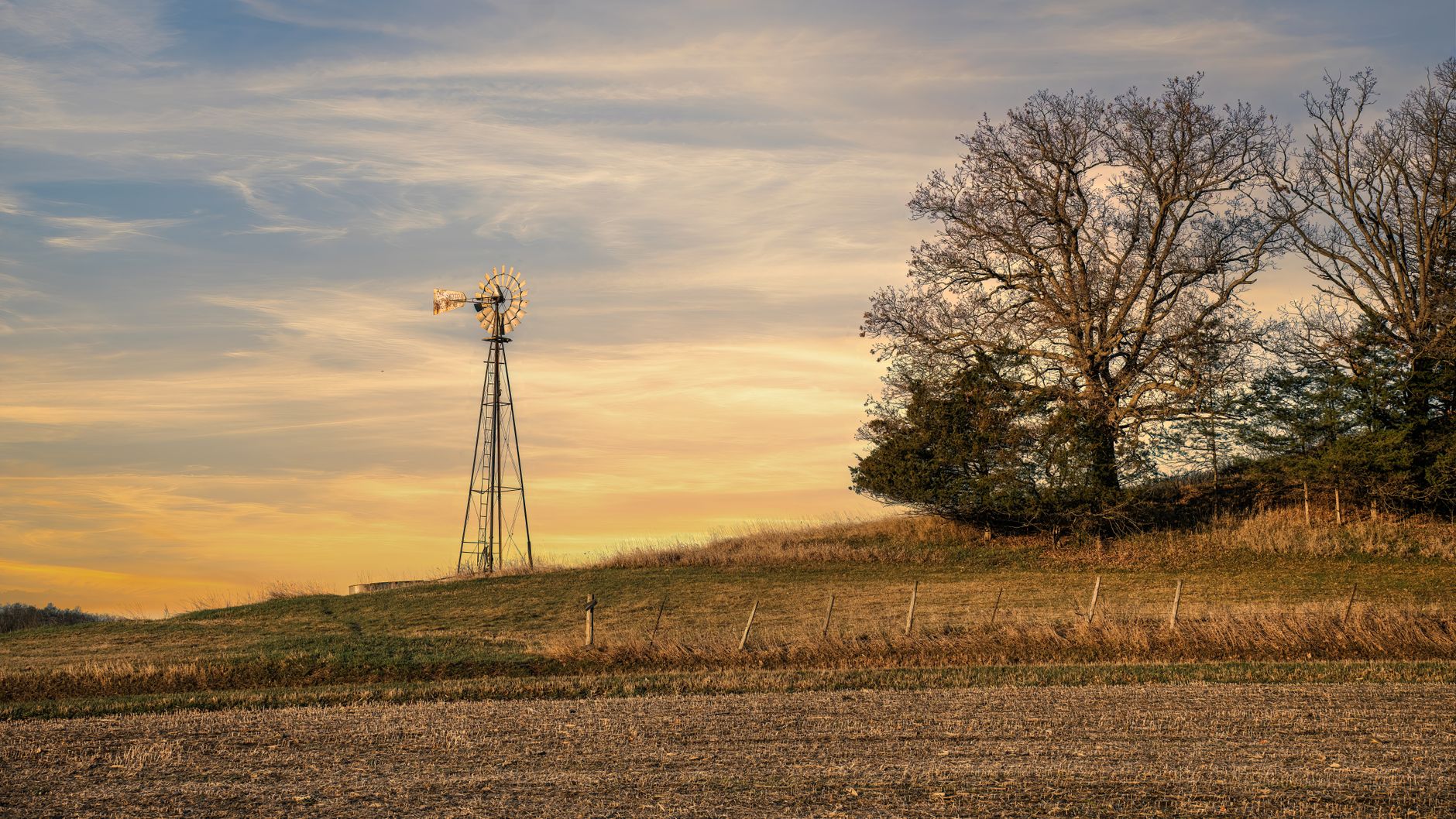
The Well That Held All Summer
The hose
I owned one garden hose. It was fifty feet long and had a split in it.
At seven o’clock the next morning, I drove to the farm store in Mangum and bought three hundred feet of heavy green hose and a brass splitter, and the clerk looked at my cart and said, “Somebody’s drilling,” and I said, “Somebody’s thirsty.” I came home and ran the hose from the spigot on the pump house, out through the yard gate and down the lane, and coiled the end beside the cattle guard where the bar ditch widens out. Then I walked back up and turned on the water and walked down again and stood there until it came through, a fat clear rope of it, running into the ditch.
I didn’t put up a sign. I have never been a woman for signs. I put a kitchen chair under the elm by the cattle guard, and I put out a pitcher and a stack of paper cups, because it was a hundred and four degrees and it seemed the least a person could do. I put a mason jar of zinnias on the post. Then I sat down in the chair to see what would happen.
What happened was that Graciela Cantu’s pickup stopped at the road a few minutes before seven the next morning, and both buckets went in the back, and she stood with her hand on the tailgate and said something to me in Spanish that I didn’t catch and she didn’t translate.
By the end of the week, the word had gone up and down the road. I never told one soul. It was not a thing you needed to tell on Rock Chapel Road. The Brunners’ pump went down on the ninth, and Kyle came by with a pair of blue plastic barrels in the back of the new pickup, and he would not look me in the eye for the whole of the time it took to fill them. Joanne Speer’s well held on a few more weeks, and then it didn’t. Eula Pickens’s rock-lined well gave out on the twenty-sixth of June, eighty-five years of sweet water, and nobody on the road could believe it.
Eula came on a Monday, at five-fifteen in the morning, in the Buick. She is ninety-one. She had a two-gallon crock jug on the front seat and no way on earth to lift it. She sat behind the wheel with the window rolled down and looked straight ahead at the cattle guard like a woman at a train crossing.
Aurelio Cantu was standing there with his buckets, on his way to the fuel yard. He didn’t say a thing. He set down his buckets, took Eula’s jug in both arms, filled it, carried it back, and set it on the passenger seat, belted in. Then he picked up his buckets.
After that, someone carried Eula’s jug every morning. I don’t know who arranged it. Nobody ever did.