The Wives Blind in the Flooded Timber
I knew because she had told me once, at a church bake sale. She told me her daddy put a gun in her hands at nine and a call around her neck at ten.
She said she had not been in a duck blind in thirty-one years. Because the club does not allow wives in the blinds.
The wives make the gumbo for the club’s Christmas supper. They make the cornbread and the bread pudding. They set it all out on the folding tables under my grandfather’s photograph, and then they go home, and the men stay and tell stories.
“Sherri,” I said, “it’s Becca Thorson.”
“Well, hey, honey. I heard about August. I’m sorry.”
“Don’t be. I’ve got two blinds in Hubbards’ forty, and I’m renting them by the morning. Twenty-five dollars a gun. I make the coffee.”
The line went quiet. It went quiet so long I thought I had lost her. “Sherri?”
“I’m here.” Her voice was different. “Who else are you calling?”
“I’m calling you first.”
Another long pause. I could hear a television somewhere behind her, and I could hear the water running in a sink. “Can I bring Pam?” she said.
Five Wives
She brought Pam Whitley. Pam brought Donna Keel. Donna brought Carla Mize, and Carla brought Jan Pruitt, Harold’s daughter-in-law, whose husband Mike held a seat of his own.
Five wives of five members. Every one of them had hunted at some point in her life. Pam had gone with her granddaddy in the Bayou Meto bottoms. Donna had shot ducks in college at Arkansas State.
Carla had never been in a blind but had been married to a duck hunter for thirty-eight years and said she knew enough to keep her mouth shut and her feet still.
We met in my kitchen on a Sunday afternoon in November. I made a pot of coffee, and they sat around my table with their licenses and their duck stamps spread out like a hand of cards.
“I had to go to the Walmart in Stuttgart for my federal stamp,” Donna said. “The girl at the counter asked me if it was for my husband.”
“What did you tell her?”
“I told her it had my name on it.”
Sherri had brought her daddy’s old Remington pump gun. It had been in a soft case in the back of her closet since 1995.
She had taken it to the gun shop on Main Street and had a new barrel put on it, because the old fixed full choke was not meant for steel shot. “Glenn doesn’t know about the barrel,” she said. “I paid cash.”
“Does Glenn know about any of this?” I asked.
She thought about that. “He knows I’m doing something,” she said. “He thinks it’s the Christmas cantata.”
The Water
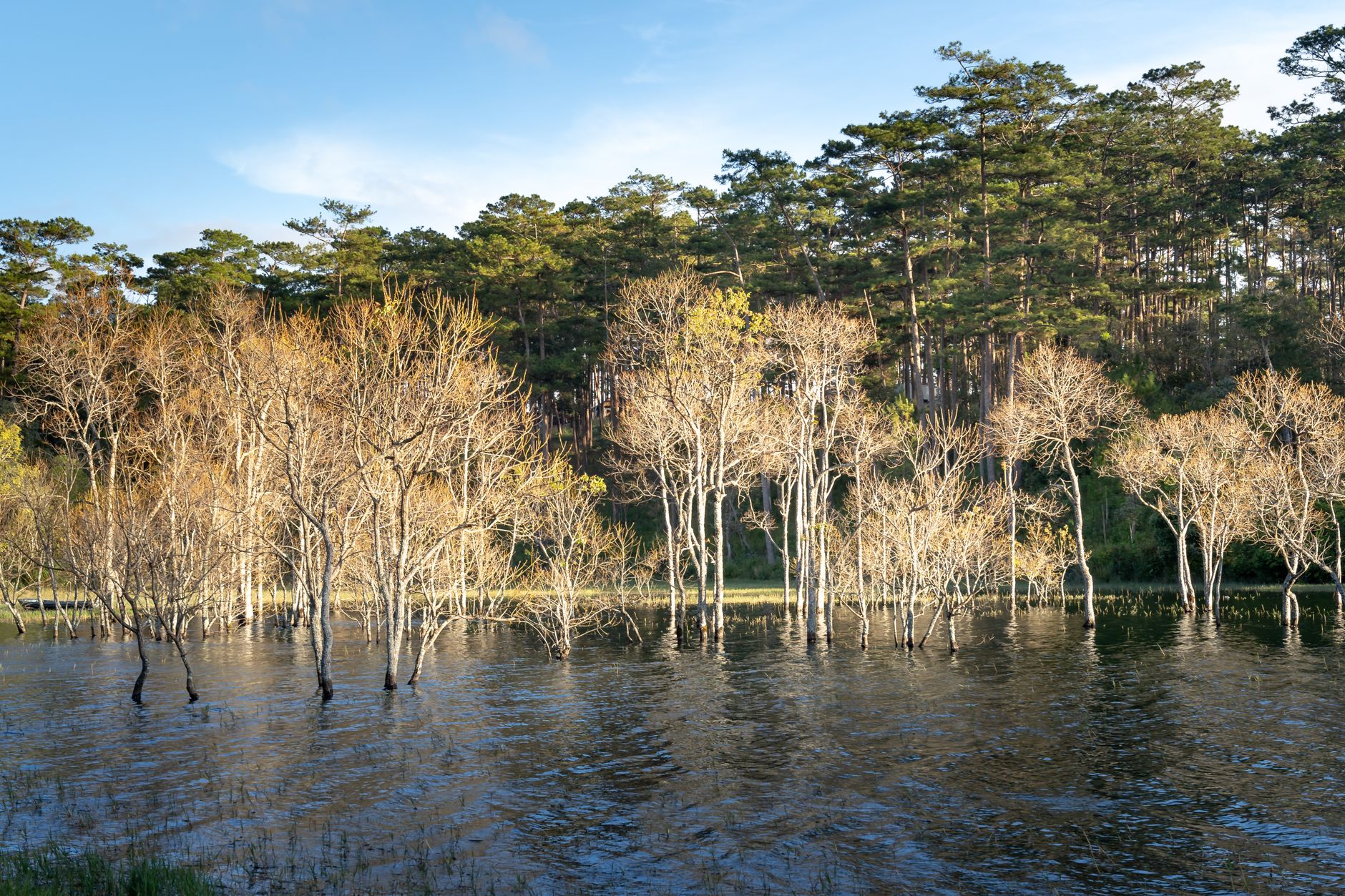
Arkansas duck season opened the Saturday before Thanksgiving, and Hubbards’ forty was bone dry. That is the thing about green timber that people from somewhere else do not understand. The oaks flood when the rain comes and the bayou backs up and Dale closes the boards in the water-control structure to hold it. Some years that is November.
We had a dry fall. I drove out to the levee every evening after work and stood there looking at dry leaves on the ground where my decoys were supposed to be. The club, three hundred yards north, had a well and a pump. They had water opening morning. I could hear them shooting from my front porch.
Then on the first Tuesday of December, it rained four inches in two days. Dale Hubbard called me at seven in the morning. “Boards are in,” he said. “You’ll have water by the weekend.”
By Friday the water stood knee-deep in the timber and came up within eighteen inches of my boardwalk. Kurt and I put out four dozen mallard decoys in the dark that night, in the open hole in front of the first blind, under oaks I had walked among all summer when they were dry.