The Wives Blind in the Flooded Timber
The Truck
Kurt was waiting in the truck with the engine running and the air on high. My husband is not a member either.
He grew up in Dumas, and he has hunted with me as my guest on Thorson invitations for nineteen years, which the club allows twice a season. He never once asked to join.
He did not ask how it went. He looked at my face through the windshield before I even opened the door, and he knew. I got in. We sat there a minute with the cold air blowing on my hands.
“Eleven to one?” he asked.
“Danny,” I said. He nodded slowly, like that was about what he figured. Then he put the truck in reverse and backed out of the gravel lot, and when we got to the blacktop he did not turn toward home. He turned south.
“Where are we going?”
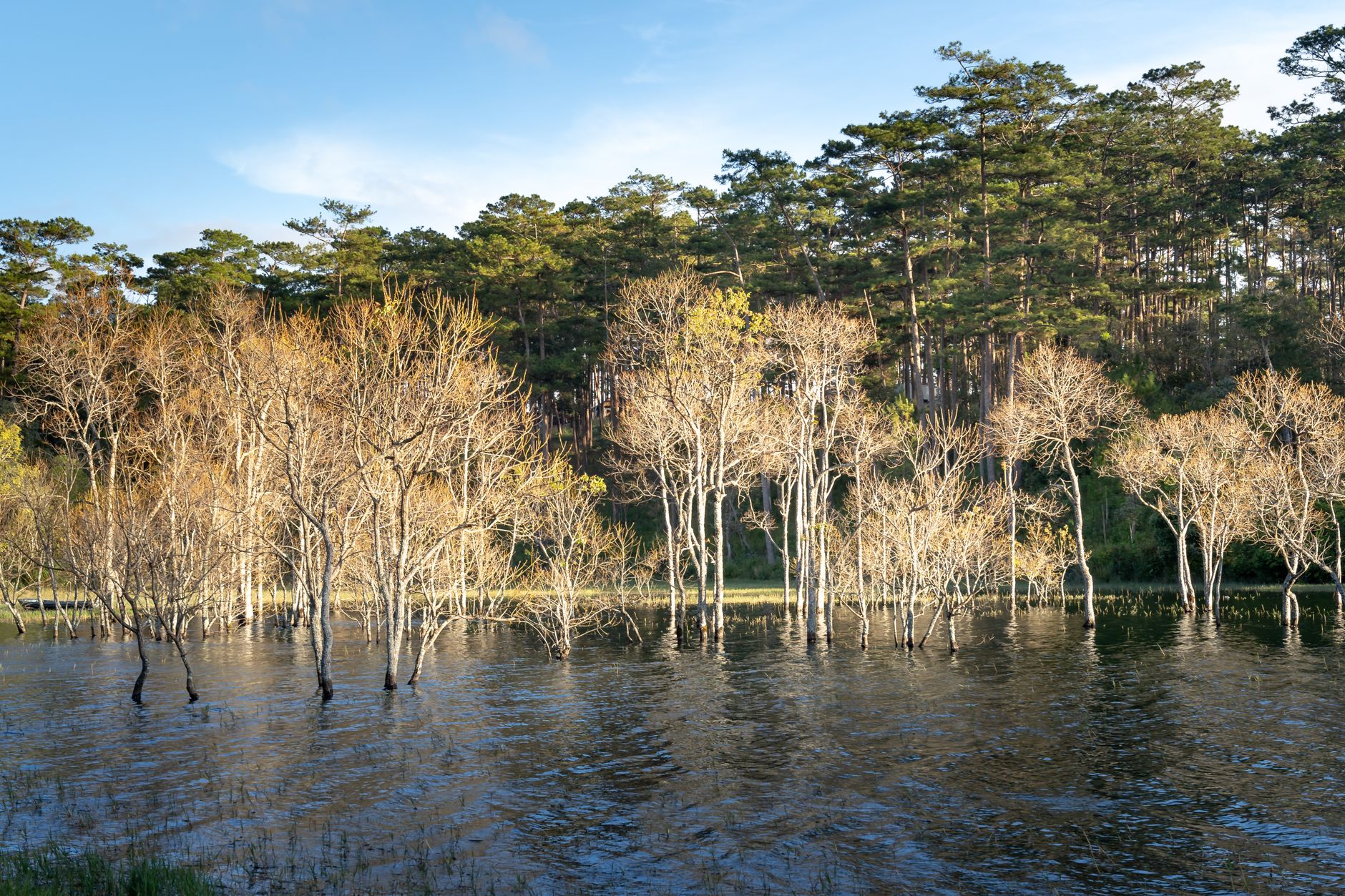
“I want to show you something.” He drove three miles and pulled onto a levee road I had driven past my entire life. On the left was rice, already headed out and turning gold. On the right was a stand of timber, oaks and a few cypress, dry now in August, with the water marks still showing gray on the trunks from last winter.
“Hubbards’ forty,” Kurt said. “Dale Hubbard hasn’t leased it in two years. The last fellow moved to Texas.”
I knew the place. It shared a fence line with the club’s ground on the north side. I had heard ducks working over it from the club’s south blind every season of my life. “Kurt,” I said.
“I’m just saying it’s sitting there.”
The Lease
People have asked me since why I did not fight the vote. Some said I should have gone to the newspaper, and a few said I should have gotten a lawyer.
The answer is simple. It was a private club. Twelve men can vote however they please about who sits in their folding chairs, and they did.
I did not agree with them, but I was not going to drag my grandfather’s name into a fight over his own clubhouse. He would have hated that worse than the vote. What I could do was hunt.
Dale Hubbard was seventy-four and still farming three hundred acres of rice and soybeans with his son. I sat at his kitchen table on a Thursday evening while his wife, Marlene, poured iced tea. Dale had already heard about the vote.
“I’ll take ninety-five an acre,” Dale said. “That’s fair for timber that floods most years. Some years it doesn’t, and I can’t promise you water.”
“I understand.”
“I hold the boards in the structure through the winter if we get the rain. I pull them the first week of February so the oaks can breathe. That’s not negotiable. I’ve lost too many trees on other people’s ground watching them hold water into spring.”
“I wouldn’t ask you to hold it,” I said. He did the math on the back of a feed store receipt. Forty acres at ninety-five dollars came to three thousand eight hundred dollars for the season. I wrote him a check from our savings that night.
That money had been set aside for a new roof. Kurt and I had been patching the old one for two years, and we had told each other one more winter. I said so to Kurt on the drive home.
“The roof will hold one more winter,” he said. “I’ll get on it with a bucket of tar if it has to.”