The Machinist Who Hid Behind A Mop
The Fix
The spindle housing on a machine that size is not a simple thing to open, and I will not pretend my hands were entirely steady the first ten minutes, not because I doubted what I would find, but because I had not touched a machine of that scale in three years and my body remembered the work faster than my nerve did.
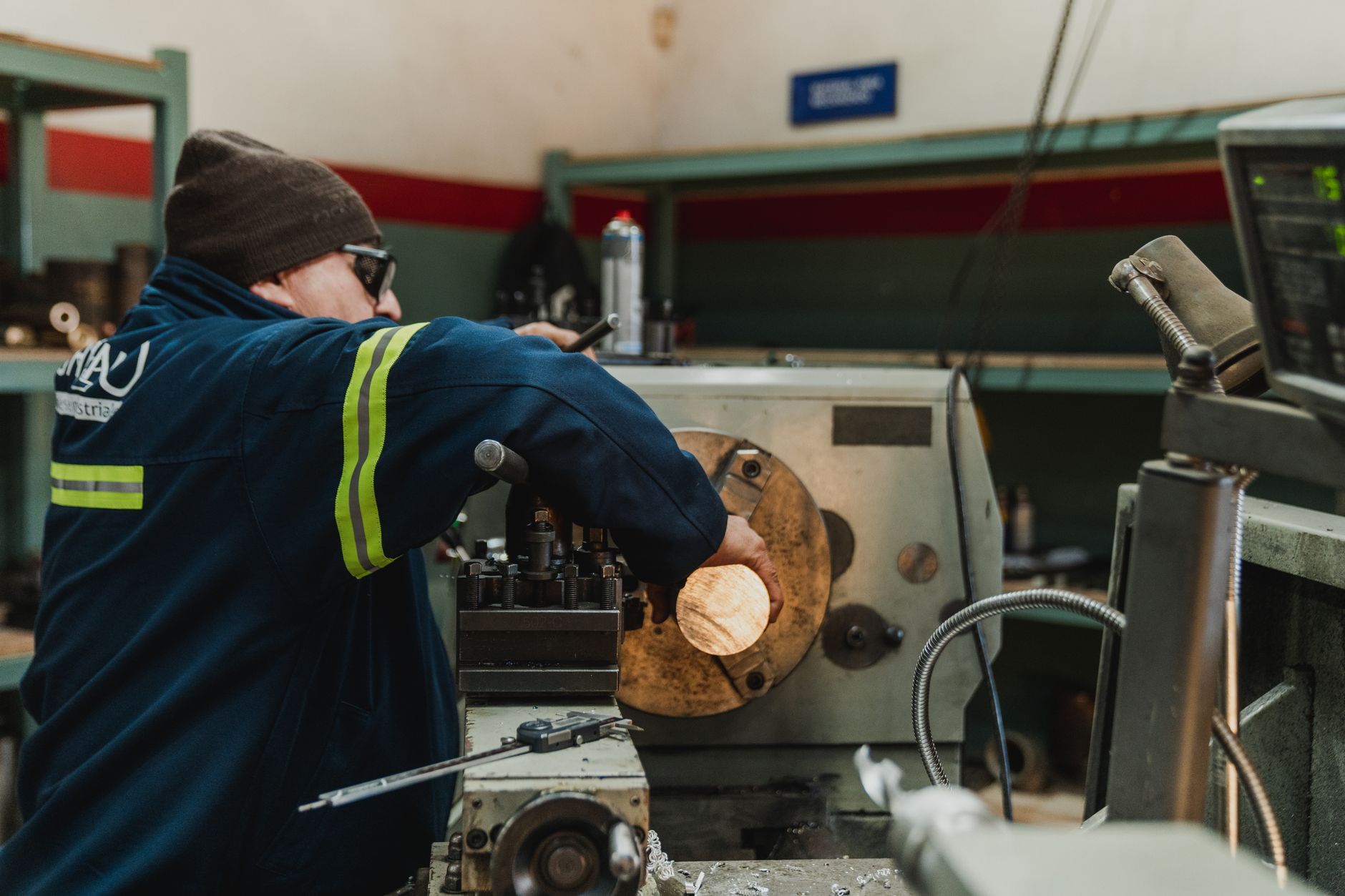
Dallas pulled the cover while I broke down the tool holder assembly, and inside twenty minutes we had the draw bar mechanism laid open on a clean rag across the workbench, in front of a small crowd that had stopped pretending to have other work to do.
The collet seat was worn exactly the way I had guessed from thirty feet away, a few ten thousandths of an inch of play built up over what the maintenance log later showed was nearly four years of service without a full teardown, enough that the tool holder was seating slightly off center every time the spindle changed direction, enough to throw a bore out of tolerance in a pattern that looked, to two engineers reading nothing but numbers on a screen, exactly like a phantom in the software. It was never a phantom. It was a worn part doing exactly what a worn part does, wearing a disguise that only a man who has spent his life with his hands inside machines like this one would recognize on sight.
“There it is,” Dallas said, quiet, running his thumb along the wear pattern the same way I was.
We did not have a replacement collet seat in the tool crib that matched the exact tolerance the job needed, which meant the real fix, the permanent fix, was going to have to wait for a part ordered from the manufacturer. But I had done this exact repair before, on my own machine, with far less to work with than a fully stocked shop floor, and I knew a way to true up the seat by hand, using a fine lapping compound and a fixture I built in about fifteen minutes out of scrap stock and a boring bar Dallas found in a drawer nobody had opened in a year. It would not last forever. It would last long enough to finish sixty two hundred thousand dollar barrels by end of shift, and buy the shop time to order the real part without missing the account.
I worked that fixture by hand for the better part of forty minutes, checking it against a dial indicator every few passes, aware the whole time of a crowd standing far enough back to give me room and close enough that I could hear every breath held when I finally called for a test cut.
The floor manager stood closest of anyone. I did not look at her while I worked. I had learned a long time ago that the surest way to ruin careful work is to spend any part of your attention proving something to somebody watching you do it.