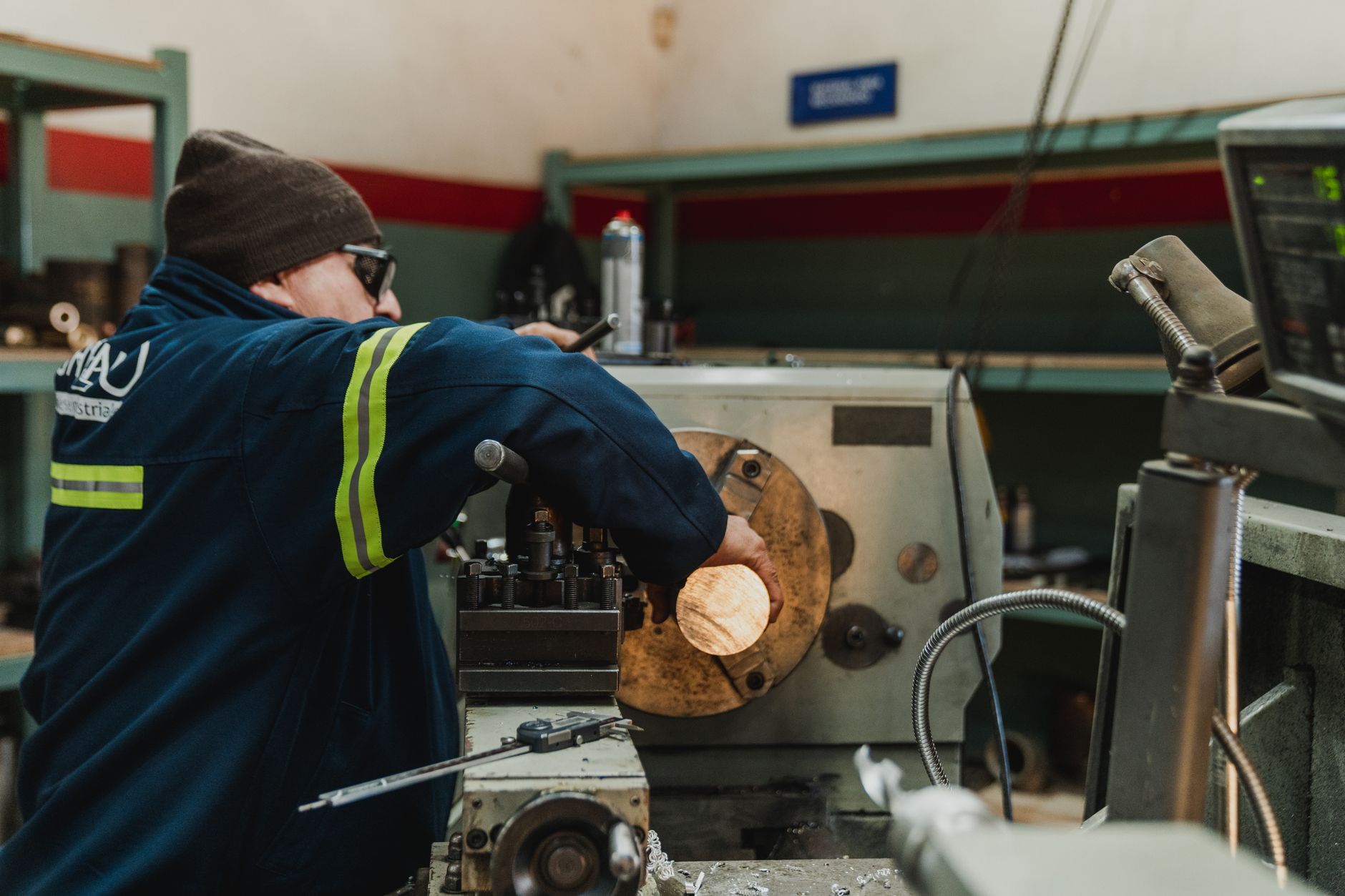
The Machinist Who Hid Behind A Mop
What I needed after that was not a new trade. I already had the only trade I wanted. What I needed was steady, predictable hours that would let me get Augusta to school in the mornings and be home for supper every single night, and a health plan that did not require me to gamble my own family’s care on how well business happened to be going that quarter. Renke Machine was hiring for the overnight custodial and maintenance position. It paid less in a year than I used to make in three good months running my own shop. It also came with a schedule I could set a clock by, and insurance, and no risk of ever again standing in front of my own daughter explaining why the bank had called the house.
I took it. I have never once regretted it, though I will admit there were mornings the first year when handing a lug wrench to some kid engineer half my age, one who could not have rebuilt a spindle if his own job depended on it, cost me more pride than I let show on my face.
I did not hide my past out of shame exactly. I hid it because grief and pride get tangled together in a man in ways that are hard to explain to anyone who has not lived it, and because the quiet of that job, the plain, unremarkable dignity of making a place clean and safe for other men to do their work in, had become its own kind of peace to me. Barbara’s verse had made that peace possible. I was not less of a man mopping a floor than I had been running a shop, and some mornings that was the only thing that got me out of bed at four in the morning to make it to my shift on time.
The Dare
The floor manager who ran that Thursday’s shift was Mr. Renke’s own daughter, thirty four years old, two years into running day to day operations for a company her grandfather had started with two machines in a pole barn back in 1961. She had an engineering degree from the state university and a genuine gift for the work, and she was carrying, that particular morning, the specific kind of fear that comes from being young, and a woman, and new in a chair that a room full of older tradesmen were still deciding whether to fully respect.
I do not say any of that to excuse what happened next. I say it because I have thought about her a great deal since, and I do not believe she was a cruel person that Thursday. I believe she was a frightened one, carrying two hundred and sixty thousand dollars of her family’s business on a deadline that would not move, in front of a crew that was watching to see whether she could hold the line under pressure the way her grandfather always had.