Forty Years Behind the Lunch Line
On my last morning I stood in the dark kitchen at a quarter past four, tied my hairnet at the back of my head the way I had tied it seven thousand mornings, and could not think who I was supposed to be on Friday.
I am seventy-one years old. My name is Marlene Pettijohn. For forty years I stood behind a stainless steel serving line at Trenary Consolidated School, eleven miles northwest of Kirksville, Missouri, and handed trays to other people’s children.
I had never done anything else that mattered as much. I want to say that plainly at the start, because I spent most of my life telling people it was just a job.
The kitchen smelled the way it always smelled at that hour. Floor cleaner, cold steel, and the faint sweetness of yeast from the dough Verna had set to rise the night before.
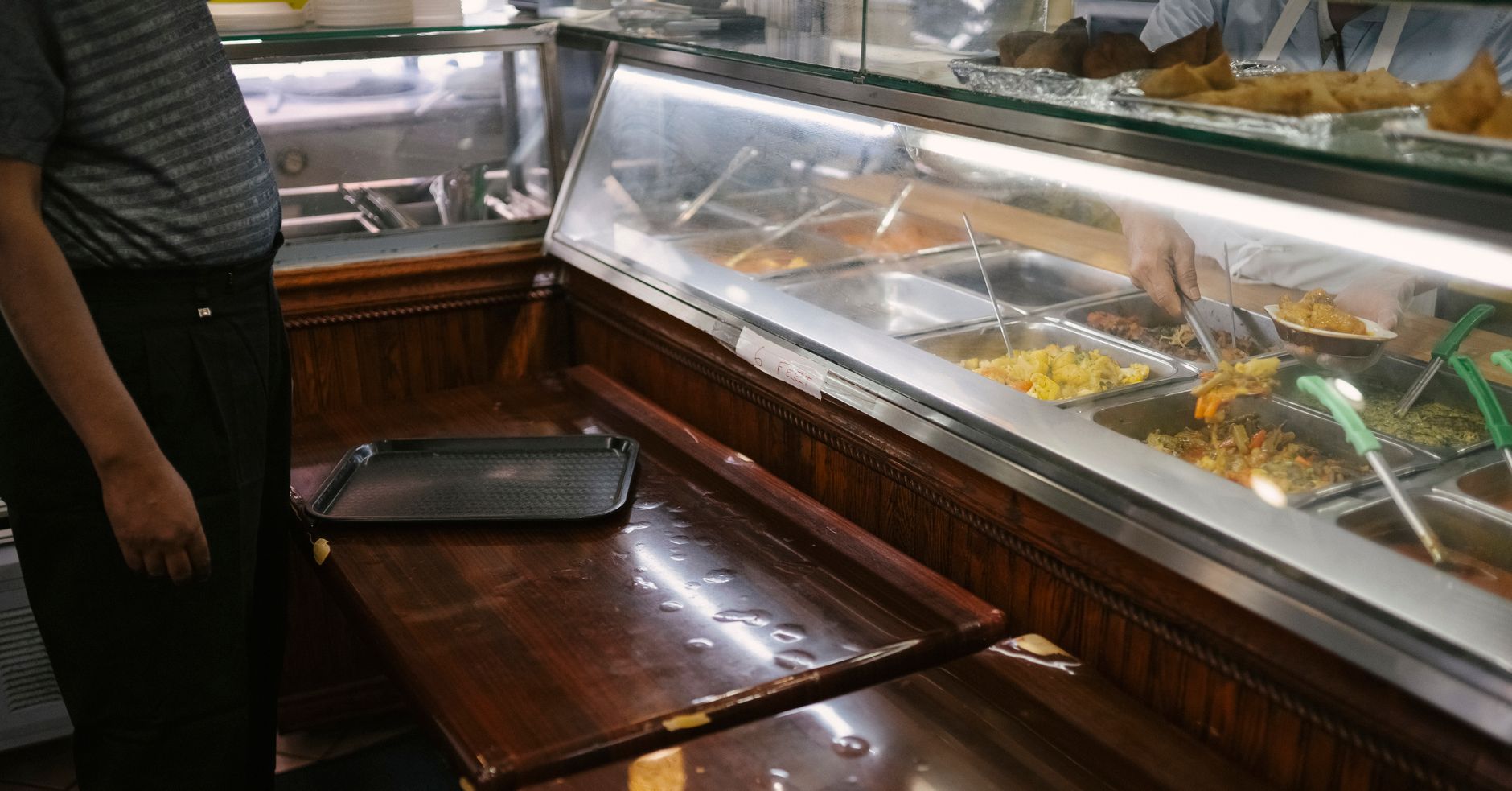
I turned on the lights one bank at a time. The big mixer woke up with its usual groan. The steam table sat along the wall with the dent in its left side where I had backed a rolling rack into it in 1994.
I put my palm flat on the dent. I do not know why. It was warm from the pilot light, like the flank of a horse.
“You’re early,” Verna said from the doorway.
“I’m always early.”
“Today you’re early and sentimental.”
Verna Sandusky had worked beside me for nineteen years. She is fifty-six and has a laugh that carries into the cafeteria, and she had a look on her face that morning I should have studied harder.
She was holding a coffee mug in both hands, the way a person holds something she is trying not to spill. She was looking at me like she knew a thing.
I did not study it. I was busy being sentimental.
The box that was gone
Every morning for forty years I started the same way. I lit the ovens, I checked the walk-in, and I took down my recipe box from the shelf above the flour bins to look at the day’s cards.
It was a green metal box, the kind your grandmother kept her pie crusts in, and the lid had gone soft with rust along the hinge. I will explain the cards in a minute.
That morning the shelf was empty.
I stood there with my hand up in the air like a woman reaching for a hymnal that someone had taken.
“Verna, where’s my box?”
She did not turn around from the oven. “I moved it.”
“Moved it where?”
“Somewhere it won’t get flour on it. It’s your last day, Marlene. Let me have one thing.”
That made no sense, and I told her so. She said it made perfect sense and handed me a hair clip I did not need. I let it go. I had a hundred and ninety-one trays to get ready.
At six-thirty Keith Teague stuck his head in the swinging door.
Keith is the principal. He is forty-one years old, and I knew him when he was five and could not keep his shirt tucked in. He had a habit then of asking for one more spoonful of mashed potatoes and then handing the spoon back with great ceremony, like he was returning a library book.
“Miss Marlene,” he said, “I need a favor.”
“You need a favor from me on my last day. That’s rich.”