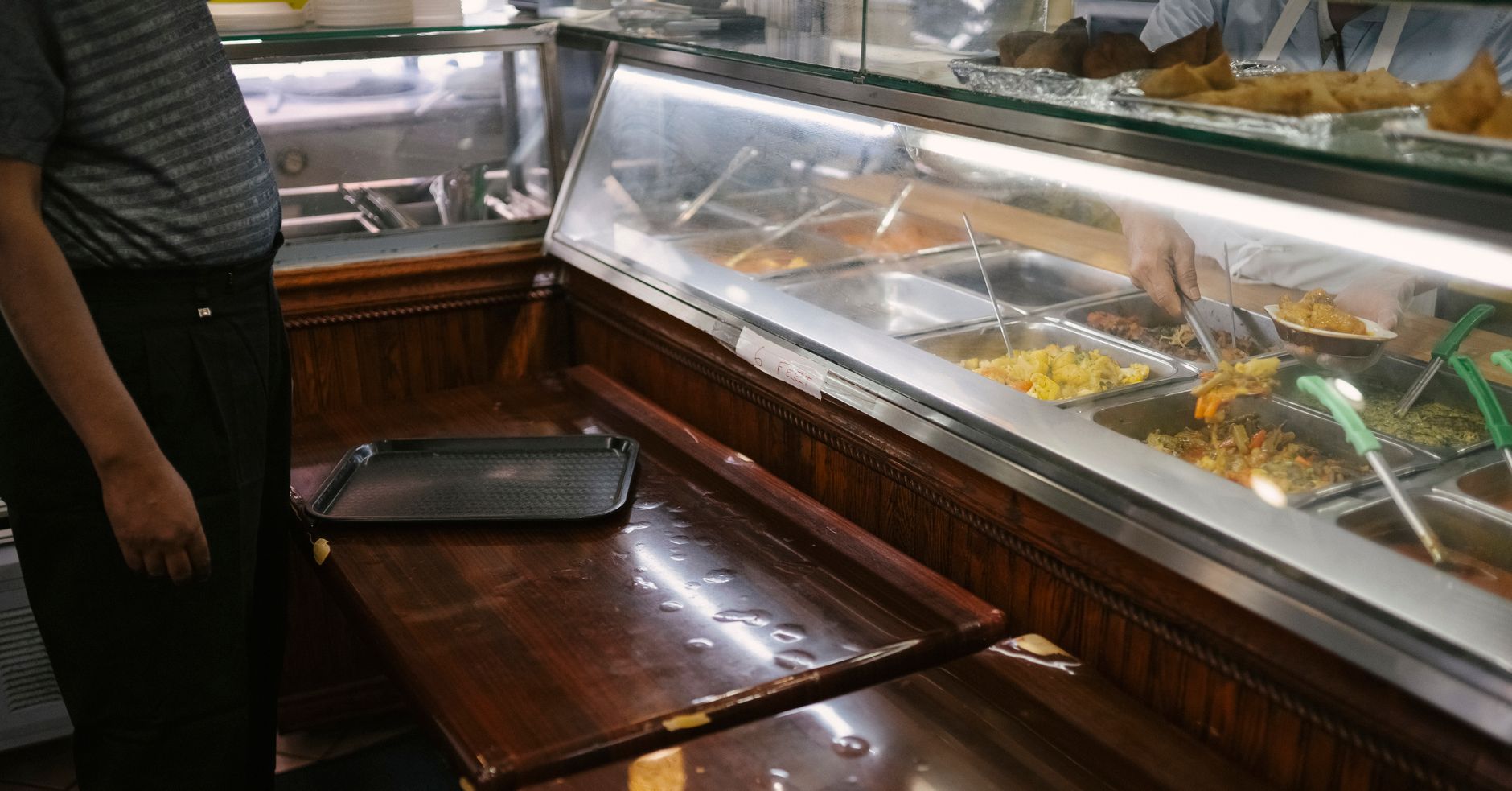
Forty Years Behind the Lunch Line
“Eleven o’clock. The gym. There’s a short assembly. The superintendent’s office said you’d want to be there.”
I wiped my hands on my apron. “Keith, I have lunch to serve.”
“Lunch is going out early. Ten-fifteen, every grade, I already told the teachers. Verna and the two part-time girls can hold the kitchen after that.”
“I never leave the line.”
“I know you don’t.” He smiled at me the way he used to smile when he was six and had been caught. “That’s why I’m asking.”
I should say that I am not a foolish woman. I have run a kitchen through three principals, two floods, one grease fire, and the winter the boiler died. When a man changes the lunch schedule on a Thursday and cannot meet my eye, I know something is up.
But I had a feeling about what it was. I thought it was the sheet cake. In forty years, the school had given me a card at Christmas and a ham at Easter, and I figured they would want to cut a cake in front of the children and hand me a gift card to the hardware store.
I did not want it. But I said yes, because he asked, and because by then I had been saying yes to that school for so long it came out of my mouth like breath.
How I got the job
I started in the fall of 1986, which was not a good time to be a farm wife in northeast Missouri.
Hal and I had a hundred and sixty acres, forty sows, and a note at the bank that kept me awake. Interest rates had gone to the moon the years before. Neighbors we had known all our lives were auctioning off their equipment on Saturdays, and we would drive past the lines of pickups and not say anything.
I was thirty-one. Our daughter, Tammy, was six and our boy, Dean, was three. I had been canning, cooking, and keeping the books, and it was not enough.
The school needed a second cook. It paid a little over three dollars an hour. I remember because I did the math at the kitchen table, and it came to just enough to cover the electric bill and Tammy’s shoes.
“You’d hate it,” Hal told me. “Standing all day.”
“I stand all day now.”
“Yes, but it’s your own house.”
The head cook then was Mrs. Odessa Ruddick. She was sixty-three and built like a fence post, and she had been feeding Trenary children since before the interstate went through. She handed me a hairnet and an apron on my first morning and said four things.
“Wash your hands. Taste everything. Look at their faces. And never, ever, say the food is hot.”
“Why not?”
“Because you say it’s hot, they take it as a dare. You say, careful, it’s hot, they know you care about their fingers. Say it every time. Say it to the same child nine hundred times if you have to.”
I thought that was an odd thing to say. By Christmas I understood her.
I said it to Brett Ruehl alone, I swear, four hundred times. I will get to Brett.
Mrs. Ruddick worked another six years. She retired in 1992 with a little party in the library and a clock. The next morning I was head cook, and I had a kitchen of my own, and I had never been more frightened of anything in my life.
The first thing I did was go through her drawers. Underneath the dish towels, I found a shoebox of index cards. Each one was a child’s name in her cramped schoolteacher printing, with a birthday and a line or two.
Allergies. A father in the hospital. A boy who would not eat anything red. She had kept them for thirty years, and when she left, she left them for me without a word.