Two Hams for Grandma’s Wake
I put both pans of potatoes in the oven when the first ham came out to rest. I plugged in the coffee pot. I put the buns in baskets I had borrowed from Mrs. Becker, and the slaw in Ida’s big yellow bowl. I put on my apron over the navy henley I’d changed into and pushed up my sleeves.
Owen stood in the kitchen doorway with the stack of sixty napkins in his arms. “When do I start?” he asked.
“When they come in,” I said. “Everybody gets one. Grandma Ida would want everybody to have a napkin.”
They started coming a little before one, quiet, the way people come into a house after a funeral.
Jeff took the coats up to my bed. Pam came first, and she hugged me at the door before she could stop herself.
“Nick,” she said into my shoulder. “Thank you. I’m sorry about how he asked you.” That was all she had time to say before the next ones came in behind her.
Then the aunts. Marlene was eighty-nine and Dot was eighty-six, Ida’s two younger sisters, both in black dresses.
They stopped inside the front door and looked around, the way you look at a place you have been away from too long.
“Oh my,” Dot said softly. “Oh my, Marlene. It smells like Mama’s Easter.”
Then the rest of them came: nieces and nephews and their kids, Glen’s two sons, old neighbors, the church ladies. The house filled up room by room until there was no empty corner.
Amber came in near the end with her coat still buttoned. She looked at the long table with both leaves in, and the coffee pot going on the sideboard, and Owen standing there with his napkins, and she put her hand over her mouth.
Glen came in last. He stopped in the dining room doorway in his dark suit, with snow still on his shoulders, and he didn’t come any farther.
He looked at the table, all the way down the length of it. Then he looked at me.
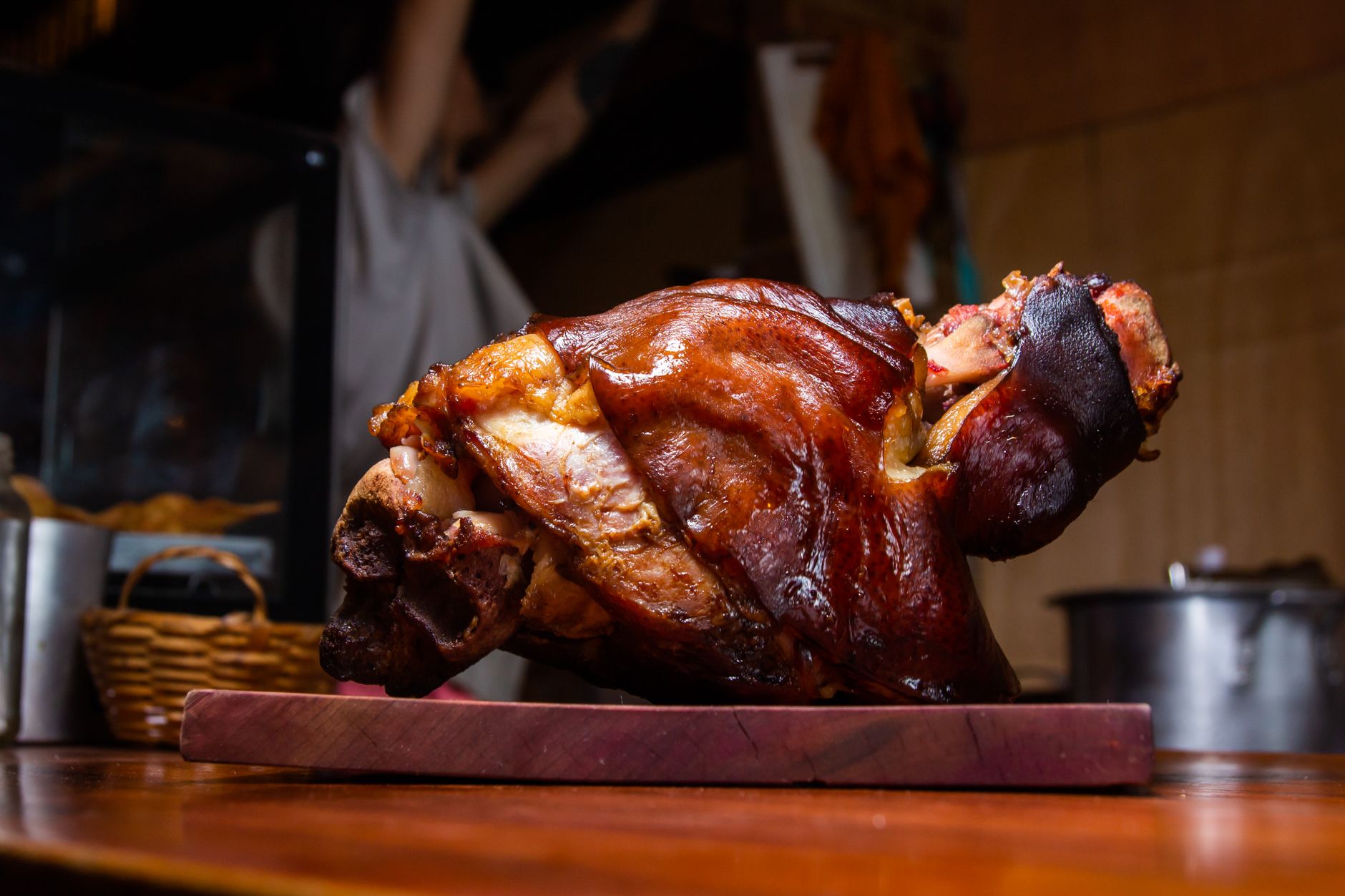
I had the first ham on Ida’s big platter by then, glazed and still whole, and I came in from the kitchen carrying it with both hands.
Some of the family were already seated at the long table in dark clothes, and outside the window a little snow was blowing off the porch roof in the afternoon light.
Owen went down the table ahead of me, chair to chair, handing out napkins. “One for you,” he said to each person. “One for you. One for you.”
He didn’t skip anybody. When he got to his great-aunt Dot, she took his face in both her hands and kissed his forehead.
I set the ham down in the middle of the table. For a second nobody moved.
Sixty people sat and stood in that house and looked at the platter and at me in my apron and at Glen in the doorway, and nobody seemed to know what was supposed to happen next.
Then Marlene pulled out a chair at the head of the table and sat down in it, smoothing her black dress over her knees.
“Well,” she said, loud enough for the whole room. “I am eighty-nine years old, and I am not letting good ham get cold.” And she held out her plate to me.
Somebody laughed. Then somebody else did. And just like that, the room let go of its breath, and people started moving and talking, and the line formed down the table and through the kitchen the way lines do at every funeral lunch in Wisconsin.