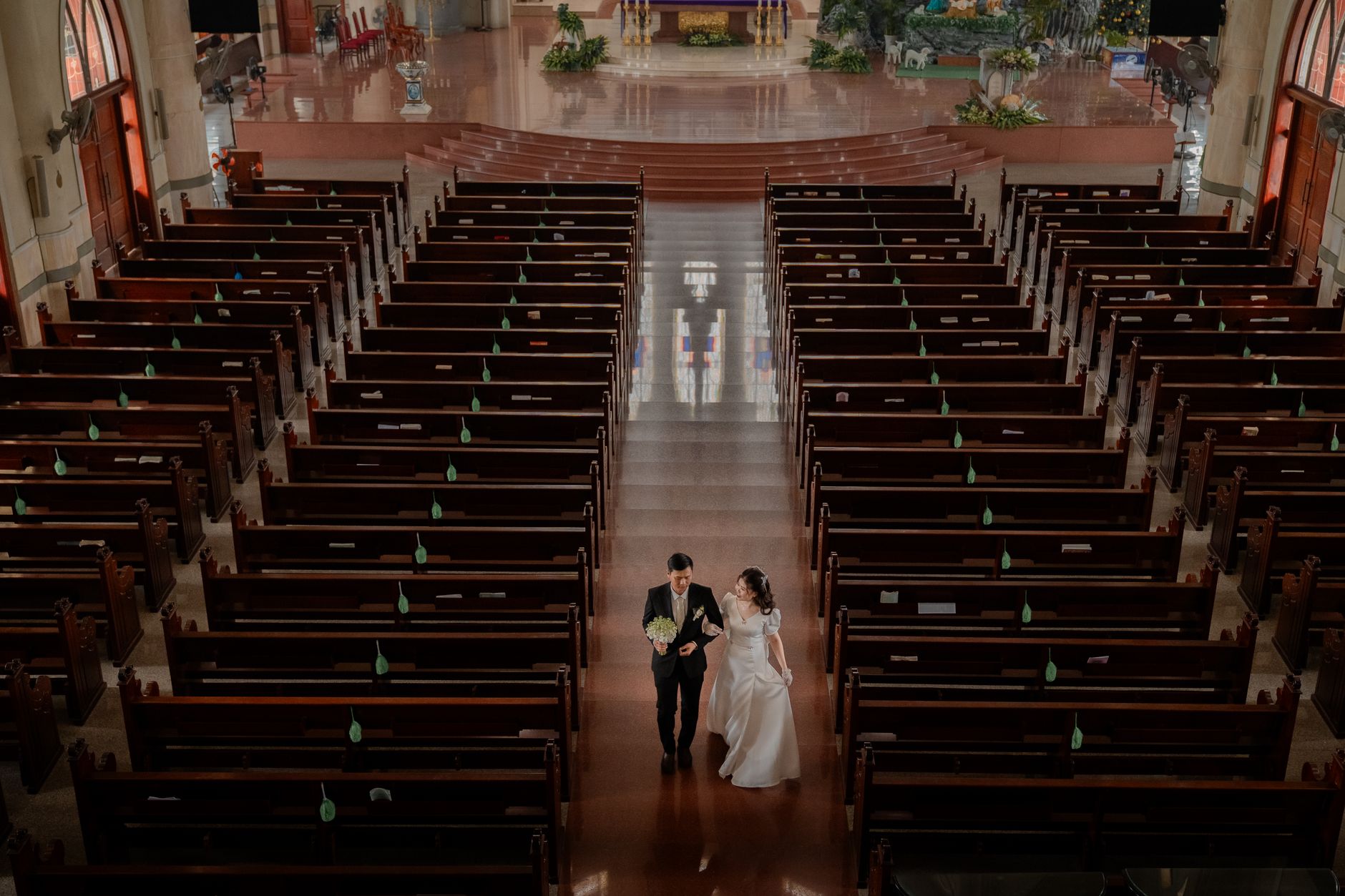
The Day Dad Gave Me Away
“He doesn’t remember saying it, Haley.” Connie said it without looking up, squaring the edges of a stack of bills beside the sugar bowl on her kitchen table, the way she squared everything.
It was a Sunday afternoon in April. The snow was finally pulling back off the fields around Mayville, and the ditches along the highway were full of brown water the color of weak coffee.
In the next room my father sat in his recliner with a Twins game turned low. Every so often I heard him make a small sound at a play, a sound that used to be a whole sentence.
“He does remember,” I said. “He told me in the driveway. The night Jake asked him. He said he’d put it away for me, five thousand, and he hugged me so hard my feet came up.”
Connie finally looked at me. She had reading glasses pushed up into her gray hair, and her face had the tired, careful look it had worn since January, like someone carrying a full pan across a slick floor.
“That was November,” she said. “That was before. Honey, he doesn’t remember a lot of things from before. Last week he asked me twice if the furnace guy had come, and the furnace guy came in December.”
“That’s not the same thing.”
“I’m his power of attorney now,” she said. She laid both hands flat on top of the bills.
“You know what that means. It means every dollar that goes out of this house goes out because I said so, and I have to be able to answer for it.”
I knew what it meant. Dad and Connie had signed their papers years ago, the same afternoon they did their wills at the lawyer’s office in Hillsboro, the kind of document that sits in a drawer until the worst day comes.
The worst day had come on the ninth of January. Dad went out to start the pickup to let it warm up, and he never came back in.
Connie found him on his side in the snow by the garage, his right arm under him, trying to say her name.
The ambulance took him to the hospital in Grand Forks first, and then they moved him to Fargo. He was in the hospital eleven days and in the rehab unit for seven more weeks after that.
He came home in March in a wheelchair, with a right hand that curled in on itself and a right leg that did what it was told only some of the time.
The words were the hardest part. They were in there. We could all see them in there. They just would not come out in order.
“I’m not asking you to break any rules,” I said. “I’m asking you to let Dad do what he said he’d do.”
“And I’m telling you he can’t tell me what he said.” She pulled a bill off the top of the stack and turned it so I could read it.
It was from the company that put in the stair lift. It said $4,100.
“That’s one. There’s the van payment. There’s the ramp the Lindgren boys built, which was cheap, and thank God for them. There’s the copays every Tuesday in Fargo. There’s what Medicare doesn’t cover, and you would not believe what Medicare doesn’t cover.”