Two Hams for Grandma’s Wake
She didn’t have to. I called him myself an hour later, from the van, parked outside a house in Spencer where an old man’s furnace had quit on Christmas week. I figured a man ought to hear it from the man.
“The house is open on the twenty-sixth, Glen,” I said. “I’ll be here. I’ll be cooking. Tell Pam she doesn’t need to order anything. I’ve got it handled.”
He was quiet a long time. I could hear a television somewhere behind him, a weather report. “That’s not what I asked you,” he said.
“I know it isn’t,” I said. “But it’s what I’ve got to offer. Ida’s lunch, in her dining room, at her table. Owen and I will be there. Everybody’s welcome. You’re welcome.”
“Suit yourself,” Glen said, and hung up. But he hadn’t said no.
I sat with that for a minute in the old man’s driveway, and then I went in and found a bad igniter and had his house warm in forty minutes.
I had never cooked for sixty people in my life. I had cooked for three, then for two, and some weeks just for one.
I called my mother in Stevens Point. She raised four boys and cooked a ham every Easter of my life. She was sorry about Ida, and then she was all business.
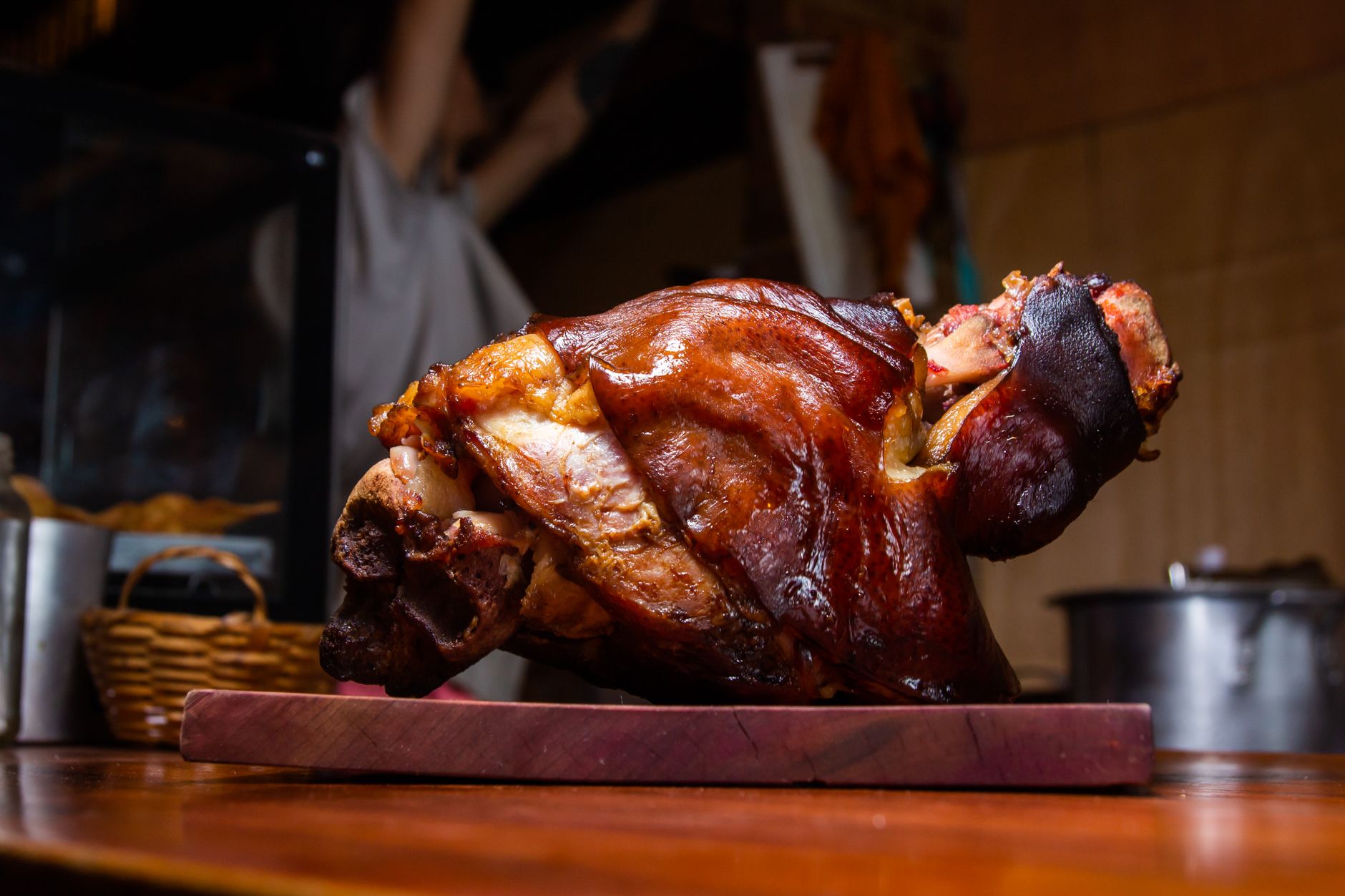
“Two hams,” she said. “Ten pounds each, bone in, the precooked kind. Sliced thin on buns, with sides, that’ll feed sixty easy at a funeral lunch.”
“Nobody eats a plate at those,” she said. “They eat a sandwich and a scoop of potatoes and they visit. Get ten dozen buns. Do two big pans of scalloped potatoes and a bowl of coleslaw. Somebody always brings bars. Coffee, coffee, coffee.”
On the twenty-third, after my last call, I drove to the grocery in Marshfield with Owen and bought two ten-pound hams at two eighty-nine a pound. That was fifty-eight dollars and change.
The bakery on Main Street in our town made the buns. When I asked for ten dozen for the twenty-sixth, the woman behind the counter, Mrs. Becker, who had to be near eighty herself, asked what they were for. I told her.
She put her hands flat on the counter. “Ida Lange taught me to make pie crust in 1964,” she said.
“In that kitchen of hers. You’re not paying for those buns.” I argued. She won. I’ve learned you do not win an argument with a Wisconsin baker over a funeral.
My neighbor Jeff, who drives plow for the county, loaned me his electric roaster for the second ham.
It was the big eighteen-quart kind that every family in central Wisconsin keeps in the basement for graduation parties and deer camp.
“You’re really doing this,” Jeff said, carrying the roaster across our two snowy yards. “Feeding the whole Lange outfit. In the house they told you to get out of.”
“I’m really doing this,” I said.
He set the roaster down on my counter and looked at me a long moment. “My dad would’ve said that’s how you put out a fire,” he said.
“You don’t fight it. You take away the air.” He offered to bring over thirty folding chairs from the church basement in his truck, and he did, the next morning.
On Christmas Day, Owen and I got the house ready. The dining room table had come with the house, a long oak table her father bought in 1931 that would not fit in her room at Riverview.