The Combine I Drove for Dad
If There Is Time
Paulette caught me in the funeral home hallway, between the guest book and the little room where they kept the coffee, and she put her hand on my sleeve like she was doing me a kindness.
“Doug,” she said, “I went ahead and arranged everything with Pastor Rennick. He is going to do the service Thursday. He prays beautiful.”
I had never heard the name in my life. My father had never said it once, and I had sat across a supper table from that man most nights for forty-four years.
“Who is Pastor Rennick,” I said.
“He does the broadcast on the radio station out of Lima. I had him out to the house in September. He is wonderful with grief.”
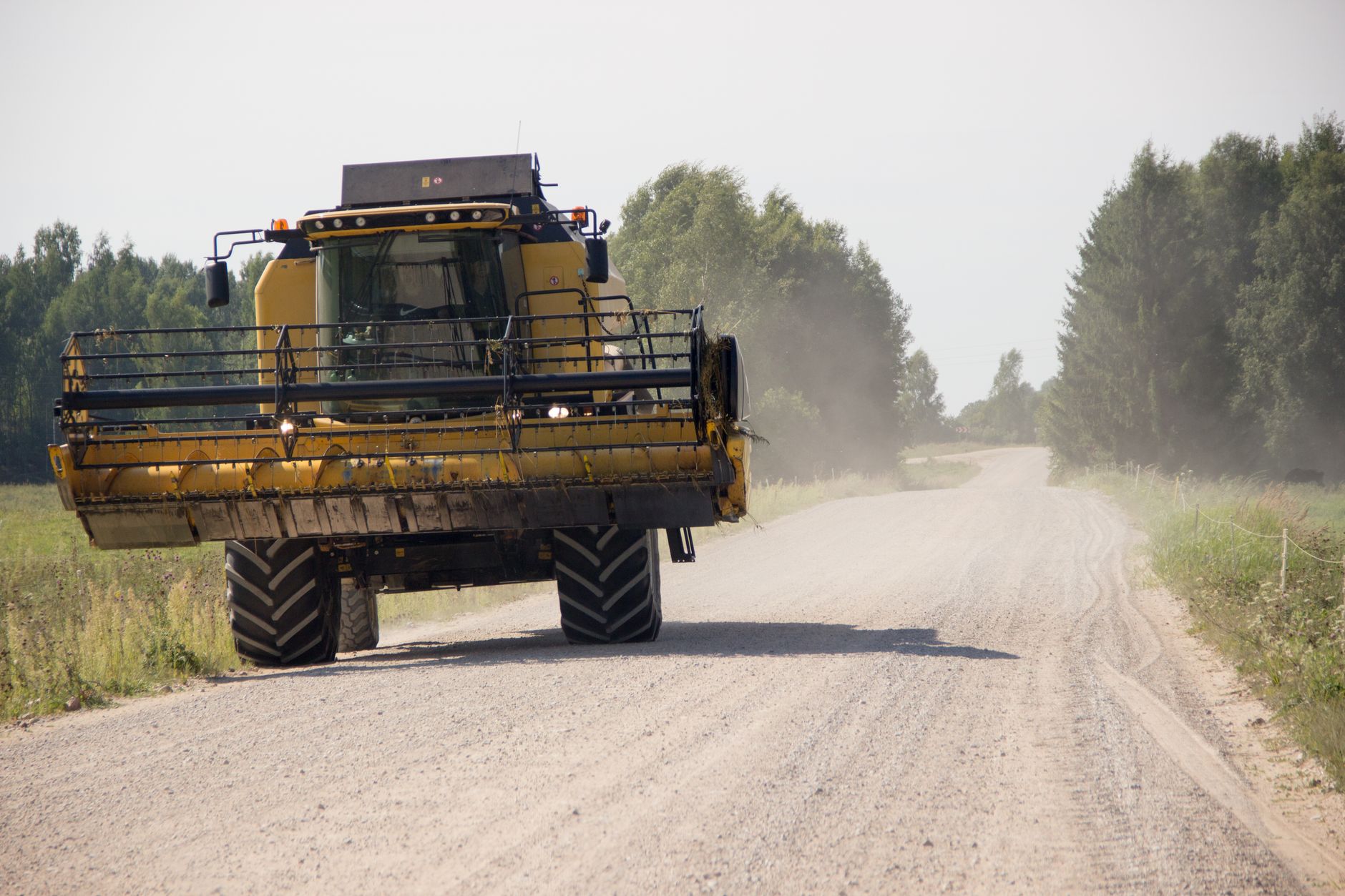
September. My father died on a Monday in the middle of October, in the cab of his own combine, with the corn half out of the back forty. He had met this preacher one time, in a lawn chair on the patio Paulette had bricked in two summers ago, for maybe an hour.
I asked her, as level as I could keep it, whether I might say a few words. I had things I wanted to say about him. I had nineteen years of them, farming that ground right beside him, and I figured a son ought to get to stand up and talk about his own dad.
She patted my arm again.
“We will see,” she said. “If there is time at the lunch, you can say something then. The church ladies need the fellowship hall cleared by one for the quilting group, so it will be tight.”
If there was time. At the lunch. After the stranger prayed beautiful over a man he had shaken hands with once.
I did not raise my voice. I want that on the record, because what came after could get told wrong, and I never once hollered at that woman. I just stood in that hallway with my hat in my hands and I nodded, and I went home to do the evening feeding, and somewhere out on the state route between the funeral home and our place the idea came to me whole, the way a good idea sometimes does, quiet and certain and already finished.