The Wages I Counted at His Table
The Money on the Table
The envelopes were plain white, a box of them from the dollar store in town, and I laid the first one down on the table next to the roast where every soul in that kitchen could see it.
Daddy had the carving fork in his hand. He stopped with it halfway to the platter and looked at the envelope like it was a snake.
“Garrett,” Mama said from the stove end, “we are fixing to eat our dinner.”
“I know it, Mama,” I said. “This won’t take but a minute.”
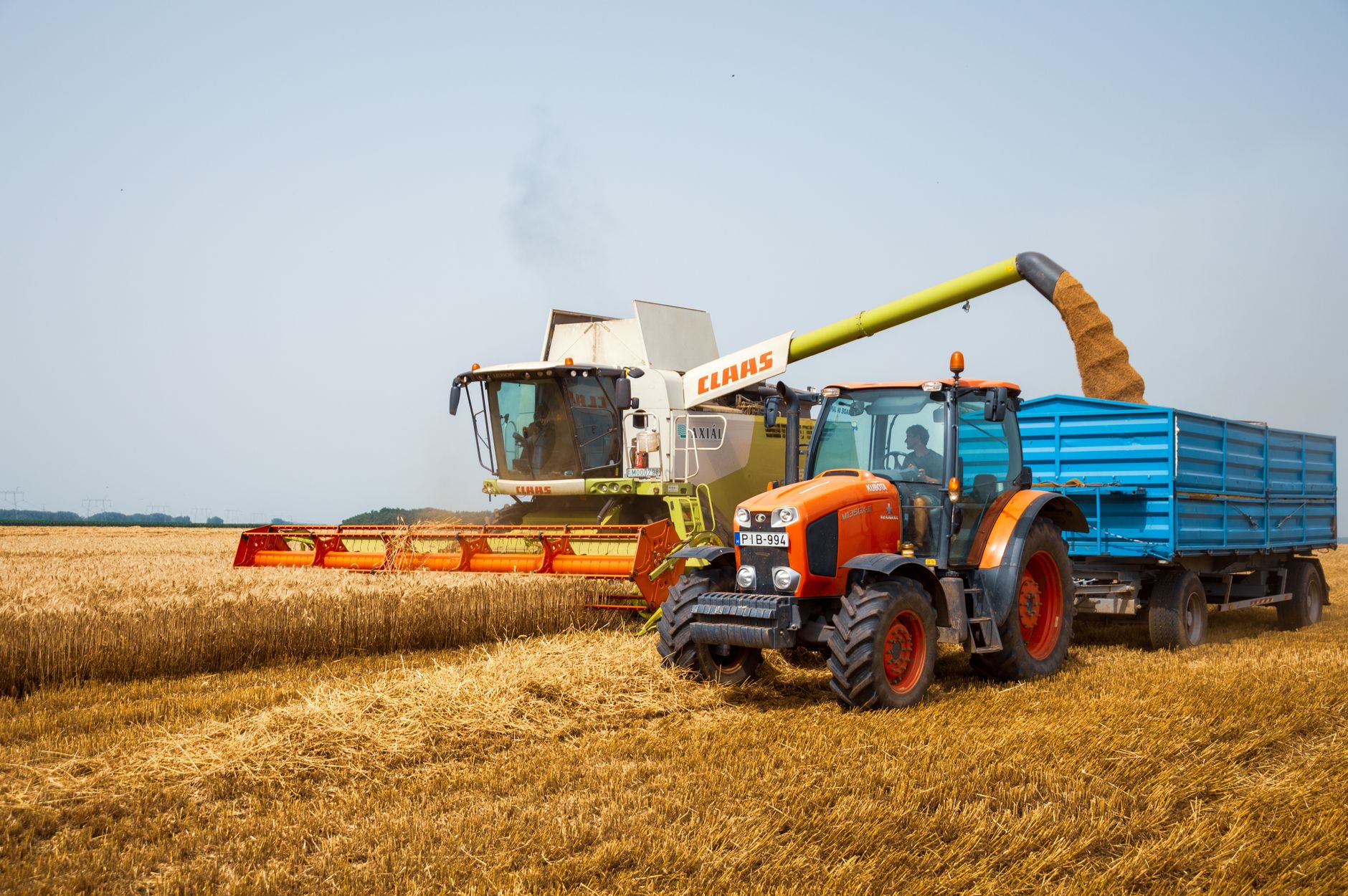
It was the second Sunday in July, hot enough that the window fans were going and the screen door banged every time a kid ran through it. We had cut Daddy’s wheat the week before, nine hundred acres of it, and the straw was still baled and standing in the field behind the house. I could see it through the kitchen window, gold rows laid out straight, the work done and done right.
My wife Megan sat on my left with her hand flat on my knee under the table. She did not squeeze it to stop me. She left it there so I would know she was with me. We had talked about this on the drive over, both of us quiet most of the way, and when we pulled in the yard she said only, “Do it the way you told me. No yelling.” I told her I would not yell. I never have been a yeller. That is Daddy’s department, or it used to be before his heart scared him into keeping it down.
Across the table from me sat my three hired boys, scrubbed and combed and about as comfortable as colts in a show ring. Cole was twenty-three and had run my second combine three summers running. Dillon was twenty and drove the grain cart and a truck. Bridger was seventeen, still in high school, a neighbor kid who had worked his first full run with us that summer and had a farmer’s tan that stopped dead at the sleeve line.
They had their ball caps off and set on their knees. Mama had told them to leave the caps on the porch and they had, then found they did not know what to do with their hands, so they held the caps in their laps like church.
I had asked them to come to Sunday dinner. Daddy had not asked them. Mama had set three extra plates when I called and said bring the boys, and she had not asked me why, which is a thing about my mother I have come to lean on.
Daddy set the fork down. “What is this, son.”
“It’s payday,” I said. “For the boys.”
The kitchen got quiet except for the fans.