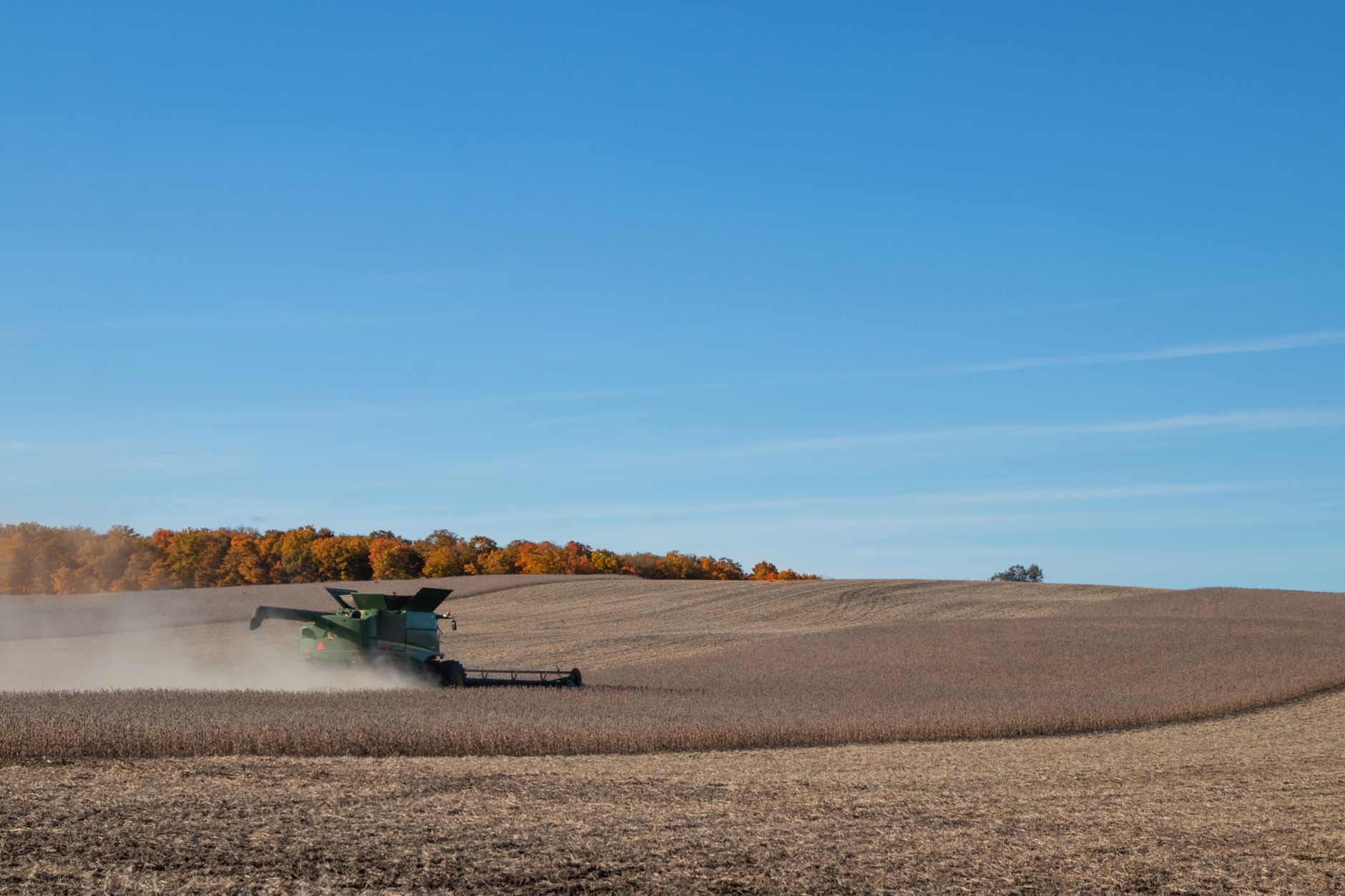
The Combine She Drove Home
The First Three Calls
I am not a yeller. I was raised by a woman who never once raised her voice, and I did not see the use of it in her house and I have not seen it since.
So the first time I called, I asked nicely. I said, “Colby, honey, I hear you’ve been cutting for the neighbors.”
He said, “Yeah, a little. Just helping people out.”
I said, “Twelve hundred acres is not a little.”
He was quiet. Then he said, “Who told you that?”
I said nobody had to tell me. I said I had the fuel tickets on my desk. I asked him what he planned to do about the fuel, and the parts, and the hours.
He said, “I’ll square up with you after harvest.” And then he said he had to go.
The second time, he said he’d already put a lot of his own money into the machine. I asked him what money, because I had the parts tickets too, and they were all on the farm account. He said I didn’t understand how farming worked.
I have been married to farming since I was nineteen years old. I did not say that. I just let him hang up.
The third time was the call in the co-op parking lot. That was when he said it was his inheritance early. That Dad would have wanted it.
I think that was the one that went into me like a nail. Not the money. The part where he put words in Lowell’s mouth.
Why I Didn’t Call Anyone
People have asked me since why I didn’t do the obvious things.
I could have called the sheriff. The combine was in my name. But I was not going to have a deputy pull my son off a neighbor’s field in front of half the county. I was not going to put his name in the paper over a family thing.
I could have called the neighbors and told them to stop paying him. But they had done nothing wrong. They hired a man with a combine and paid him a fair price, and their beans were in the bin.
And I could have kept calling Colby. But I had called three times, and three times he had found a reason to hang up the phone. A phone is easy to hang up. A woman standing at the end of your field is not.
So I didn’t argue on the phone anymore. I asked Merv one question instead, on Thursday, when he came in for a part.
“Merv, when’s my son cutting your last field?”
He looked at me over his glasses for a long moment. Merv Penner is seventy years old and has known me since the day I married Lowell. He did not ask me why I wanted to know.
“Saturday afternoon,” he said. “The quarter along the creek road. I’m running the grain cart for him myself.”
“Would you mind if I came out?”
“It’s your combine, Lynette,” he said. Then he paid for his part and left, and I did not know yet how much those four words were going to matter.