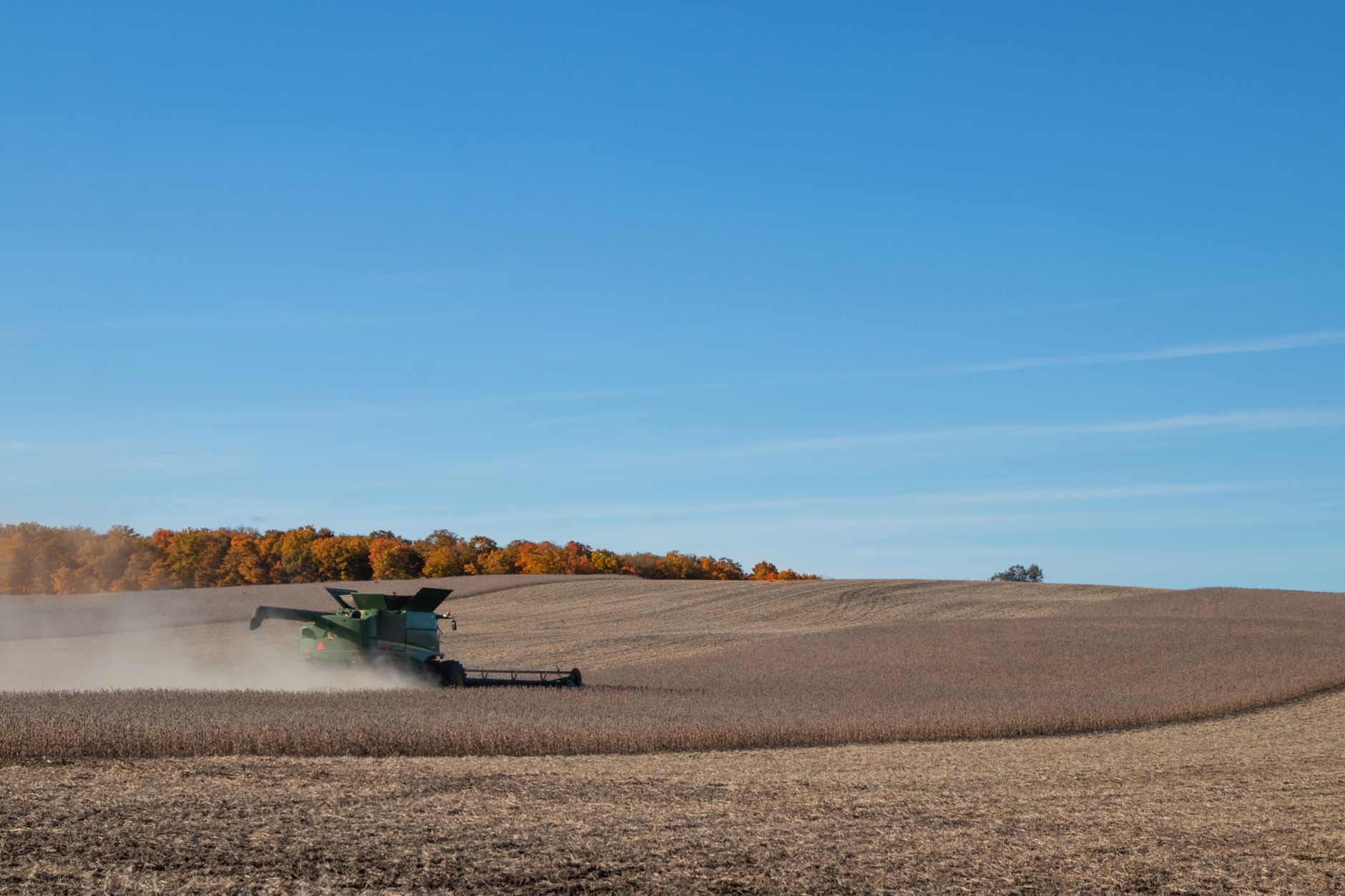
The Combine She Drove Home
The phone call that ended it lasted a minute and forty seconds. I know because I looked at the screen afterward, sitting in my car in the co-op parking lot with the engine off.
“It’s my inheritance early, Mom,” my son said. “Dad would have wanted it. You know he would.”
Then he said he had to go because the grain cart was full, and he hung up on me. Colby was twenty-seven years old, and that was the third time that week he had hung up on me.
I sat there with my hands on the wheel and watched a semi pull onto the scale across the lot. The October sun was low and orange over the elevator. Somebody’s dog was barking in the back of a pickup.
I had the printout on the seat beside me. I keep the books for the county co-op, and have for nineteen years, so I did not need anyone to tell me what was on that sheet. I had typed half of it in myself.
Diesel, delivered to the Duerksen farm tank, charged to the Duerksen farm account. Fourteen hundred gallons since the middle of September. A little over five thousand dollars.
A new feeder house chain. A set of sickle sections. A drive belt. Two filters. Grease by the case. Another twelve hundred dollars, all on the account that still had my husband’s name on top of it.
My husband had been dead since February.
The Combine In My Name
Lowell was fifty-four. He went out to check the water tank for the neighbor’s heifers on a cold Tuesday morning and did not come back in for coffee. Merv Penner found him by the tank at ten o’clock. The doctor said his heart just quit.
I do not want to tell that part long.
What matters here is that Lowell left me a 640-acre farm, a house that needed a roof, and a green combine with a 35-foot bean head that we still owed on.
We bought it used in 2022. A 2015 model with about 2,400 separator hours. Lowell had wanted a newer machine for ten years and finally found one he could talk himself into. The payment was thirty-one thousand dollars a year, due every December first.
After the funeral, the man at the Farm Credit office sat across from me with a box of tissues on his desk and walked me through moving everything into my name. The combine, the loan, the land. I signed where he pointed.
I rented the ground to Merv’s nephew for the year. I did not know how to run a farm by myself at fifty-one with a full-time job, and I was honest enough to say so.
But I kept the combine. I could not make myself sell it. It still had Lowell’s seed cap on the dash, the faded one from the elevator in town, with the sweat line around the band. I had not moved it.
In August, Colby came to the house and asked if he could borrow it.