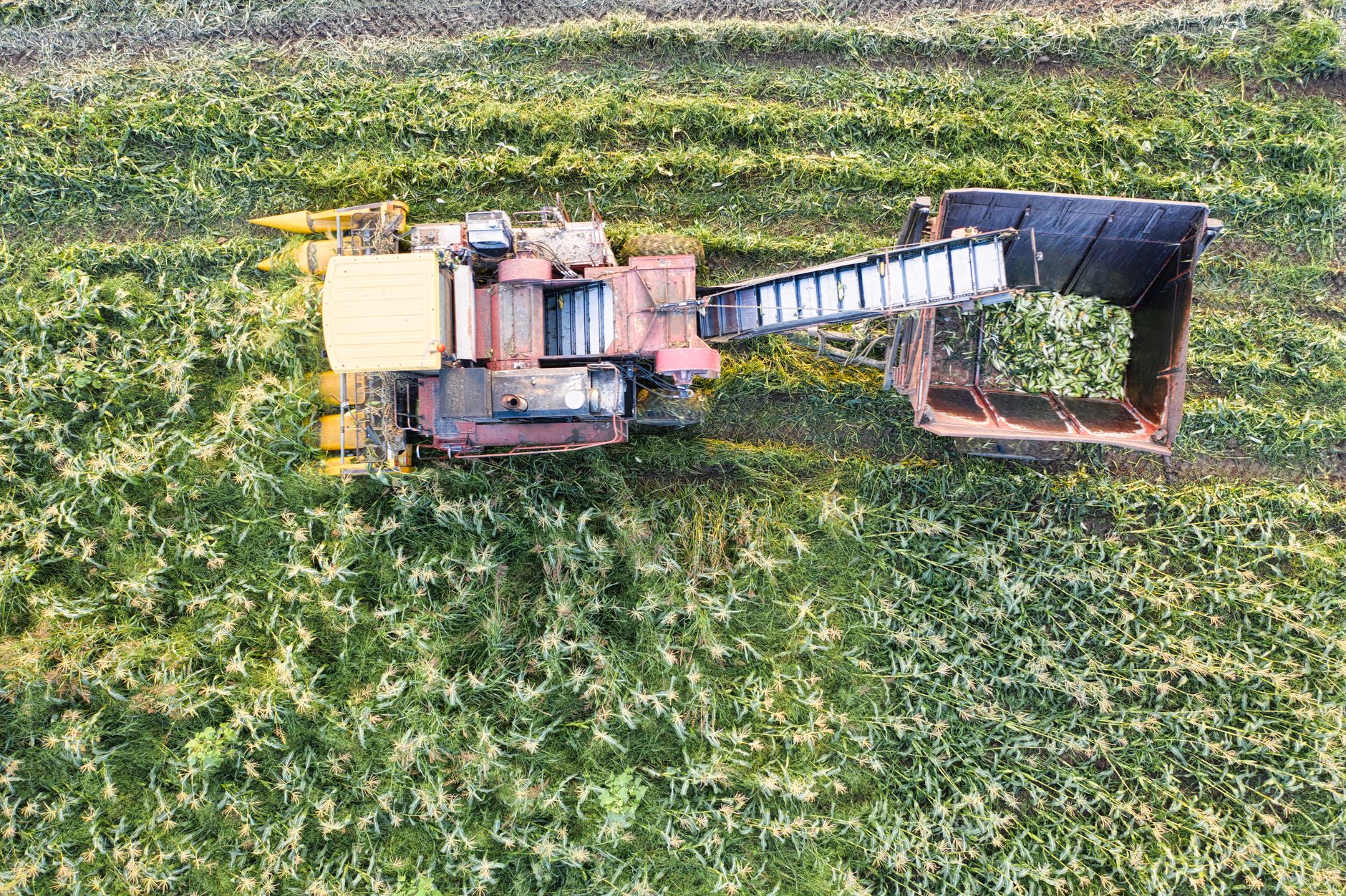
The Last Harvest in the Combine Cab
Eight days
I carried the book for eight days.
I set it on the shop bench. I set it on the kitchen table and looked at it while Arlene did the dishes. She watched me over her shoulder and did not say a word, because she is a woman who says a thing once.
I did not know what to do.
You may think that is foolish. A man sees what a boy has written and the answer is plain. It was not plain to me. I had spent my whole life being sure I was not my father, and now the old fear came up: that one word from me would put a pitchfork in a child’s hand for forty years. Maybe he had only written it for fun. Maybe the whole thing was my doing, from the moment I took him up in the cab, and the kind thing was to let it fade.
I did not sleep well.
On the seventh night Arlene put down her dishtowel and said, “Show it to Linda.”
“He’s not mine to show.”
“No. But she’s his mother, and she’s your daughter, and you’re a fool if you think she doesn’t already have an idea.” Arlene folded the towel in thirds, which is how she folds everything. “And he’s the one who wrote it. Ask him if you can.”
The kitchen table
I asked Tyler on the phone that evening, before anyone came. I said I wanted to show his mother the book, and I said it was his page and his say. There was a long quiet on the line.
“Okay,” he said. “You can.”
Linda came over Sunday after church with Craig and Tyler, and Arlene put out a coffee cake and we sat in the kitchen as if it were any Sunday.
I had the book in front of me. I turned it so the last page faced up and slid it across the table to my daughter without a word.
She read it. I watched her read it. She read the line about the wet corner, and I saw her mouth move on the last three words, and then she put the book down on the table very gently and covered her face with one hand.
Craig picked it up. He read it in about four seconds. He set it down and looked at Tyler.
“Grandpa,” Tyler said. “That was in the book.”
“It was. Did you mean it?”
He looked at his mother. He looked at his father. He looked at the table.
“I wasn’t going to say anything,” he said. “You’d already sold it. Everybody said so. I only found out in the cab, like the second week of corn. I just wanted to ride in it one time, and then I was sitting there and I thought, I’d like to do this.”
“You don’t know the bad parts,” Craig said, though not unkindly.
“I know some. I’ve been listening, Dad. I know that planter bill was nine thousand dollars.”
Nobody said anything for a bit.
“Dad,” Linda said. She had lowered her hand. “Why didn’t you ask us?”
“Because I didn’t want to put it on you.”
“You didn’t put it on us. You took it off us. It’s different.” “We’d have said yes, or no, or let us think. We’d have said something.”
“I should have asked you,” I said. “And I should have asked him.”
Tyler shook his head. “If you asked in August I’d have said I just wanted to see the combine. I didn’t know till I was in the seat.”
Linda and Craig said they wanted to see what I had in mind before they said anything more. Arlene and I had worked up a number the night before, on the back of a feed store envelope. I set it on the table: the Home Eighty with the house, the shed and the bins, at the price the county assessor said the land was worth, on a long contract for deed at a low rate no bank in Morrison County would have offered. Craig read the figures twice. He took the envelope home with him.