The Last Harvest in the Combine Cab
The field book
Every farmer I know keeps some version of this. Mine is a green clothbound ledger from the farm supply, the kind with a red spine and a cover that frays if you carry it in your back pocket, which I do not. I have kept one since 1975. Each field gets a line each year: the date I started, the date I finished, the crop, the moisture, the bushels to the acre, and whatever else seemed worth knowing. “Wet corner again.” “Cut late, frost on the platform.” “Dad’s birthday. Drove by his grave on the way in.” The oldest book is gone to pieces and lives in a coffee can on the shelf in the shop. This one was the fourth.
“Can I?” Tyler said.
I handed him the pen from my shirt pocket. I did not ask what he was writing. I looked out the side glass at the stubble and counted geese until I lost track, which I admit was a coward’s way of giving a boy privacy.
I heard the pen move. It took him a minute, maybe two. Then he closed the book and put it back on the shelf where it belonged, and he said, “Okay.”
He said, “I’ll unload,” and went down the ladder before I could answer, and I stayed in the cab by myself with the engine ticking over.
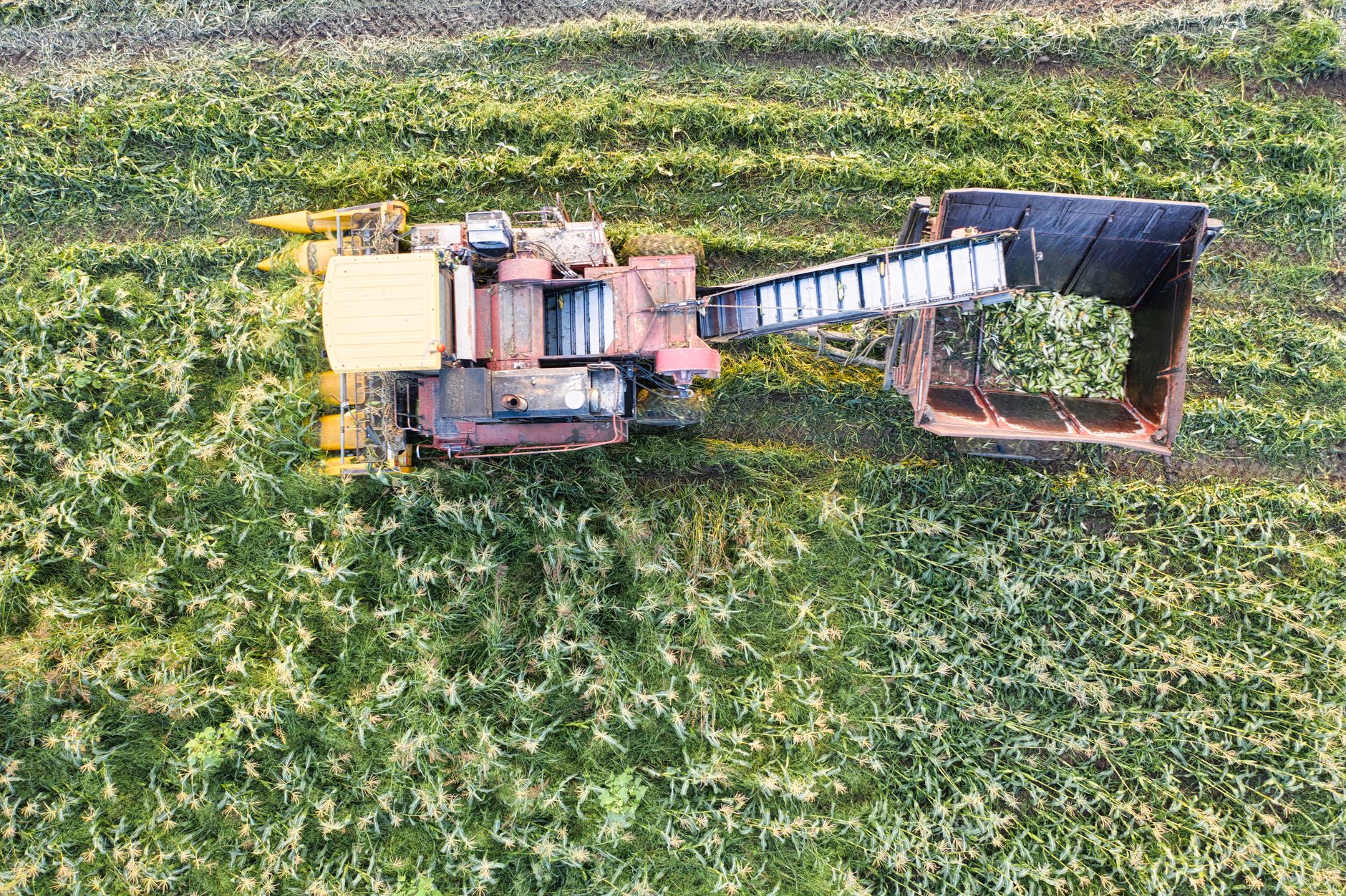
I did not read it right then. I watched Craig roll the cart up beside the machine and the last of the corn from the Home Eighty pour gold into it, and my grandson at the bottom of the ladder with his sleeves pushed up, waving Craig in. Arlene’s pickup had come down the field road and stopped at the end of the stubble, with Linda’s car behind it. Linda was still in her scrubs from her shift. I watched my daughter walk across the stubble and put her hand flat on her son’s back.
Then I took the book down.
The last line in my own handwriting said: Home 80. Started the 28th. Finished the 31st. Corn. 17.8 at the last load. Yield to be added.
Under it, in blue ballpoint, in small neat numbers, he had written the yield from the monitor, a hundred and eighty-two, and then he had added the date and his initials, T.K., the way he had seen me do it fifty times.
Under that, he had ruled a line across the page, like a man closing out a month. And below it he had written the next year’s line, in the format I had taught him, before I could have told him it would be of any use:
2027. Home 80. Beans. Tile the wet corner? Ask Grandpa.
I read it twice. I read it a third time, and the paper had gone a little shiny where he had pressed.
Corn this year, beans the next. He had worked that out himself, from the rotation. He had written it in the present tense, not in the way a boy writes down a wish, but the way a man writes a plan.
I closed the book and put it in my coat pocket, and I climbed down the ladder.