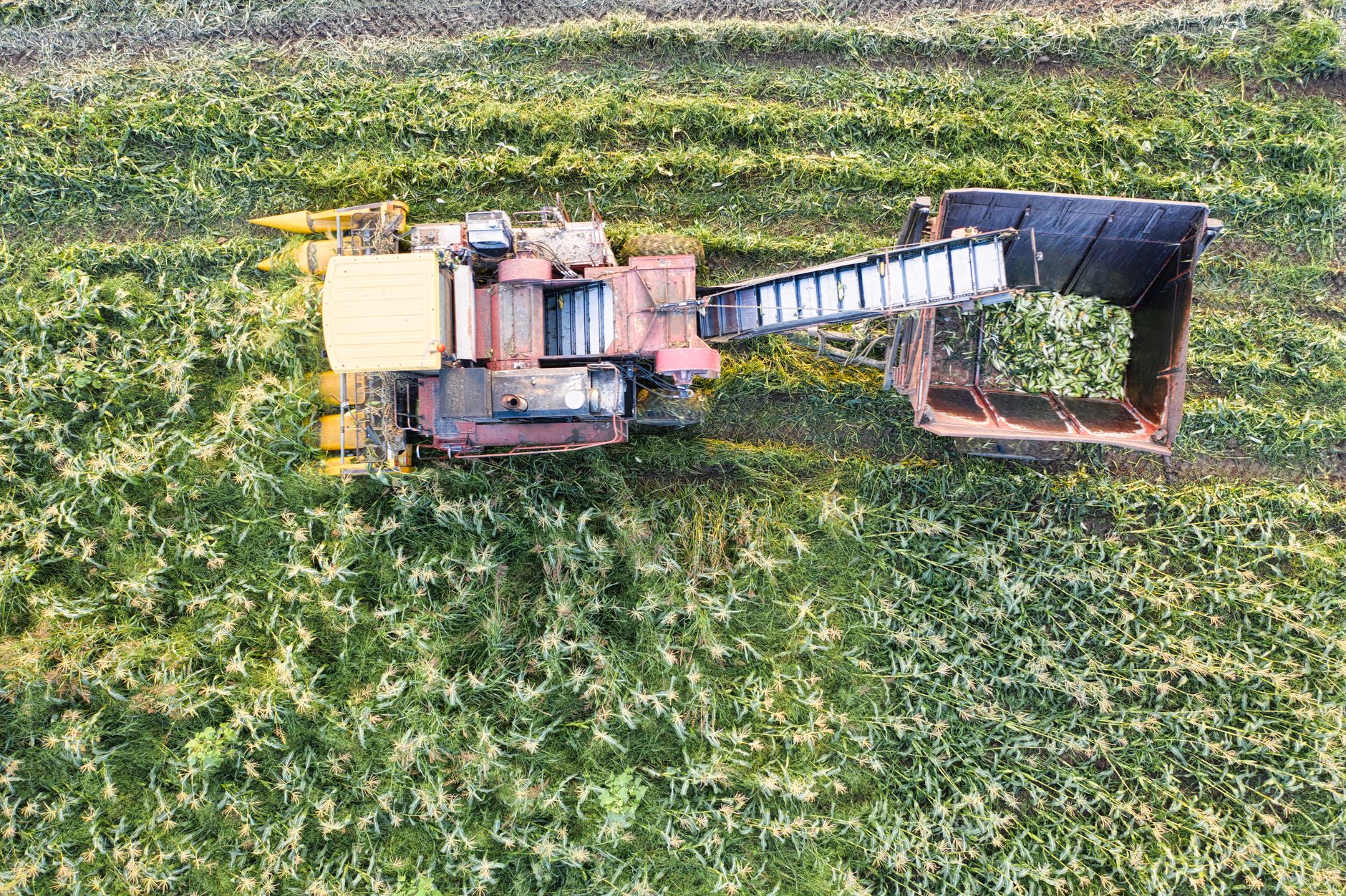
The Last Harvest in the Combine Cab
The shed
The papers for the North One Sixty closed on the first of December, at a long table in the title office in Little Falls, with a plate of store bought cookies in the middle. Darrell shook my hand. Everything was signed in about twenty minutes, which is no length of time at all for the better part of a farm.
I drove home with Arlene beside me. The fields along Highway 25 were bare and brown, cut to the stubble, waiting on snow.
Tyler was already at the farm when we pulled in. Linda had dropped him off after school with a grease gun and a tube of lithium grease from the shop bench, and he had been told to wait until we got home. He stood in the yard in his canvas coat, with the gun held under his arm like a football.
“What’s this?” I said.
“It’s winter,” he said. “You have to grease the fittings before you put it away. It’s in the manual.” He considered this. “But you told me the same thing in October.”
I had. I had forgotten.
We rolled the combine into the machine shed together, he in the cab and I walking beside, calling the distance to the wall. Then we shut the big door against the wind. The shed smelled of diesel and old hay and the faint sweetness of corn dust that never leaves the rafters.
I hung a trouble light from the grain tank ladder and handed him a rag.
He started at the front axle. He pumped the grease gun until a small bead showed at the edge of each fitting, the way I had shown him in October, and he wiped it with his thumb and moved to the next. He did the steering knuckles, the feeder house pivots, the cylinder bearings. He did not need me to tell him which ones. Where he was unsure he checked a page from the manual folded in his back pocket.
I held the light.
The light swung a little on its cord, and the shadows of the combine moved across the walls of the shed in slow circles, across my father’s hay hooks and my own horseshoes hung on a nail. Sadie lay on a feed sack by the door with her nose between her paws.
When he got to the last fitting, high on the unloading auger, he stretched up on his toes and could not reach it. I leaned the ladder against the tank and held the foot of it with my good leg, and he climbed up with the gun, and pumped, and a bead of grease came clean at the edge.
He looked down at me from the ladder with the trouble light behind him and a streak of black grease across his cheek.
“Grandpa,” he said. “What’s the best way to tile a wet corner?”
I took a breath, and I told him.