The Last Harvest in the Combine Cab
Beans in the afternoon
Tyler had asked me for the ride himself, back in August, at Sunday dinner. He asked it into his mashed potatoes.
“Grandpa, could I ride with you this fall? In the combine. Before it’s Mr. Mertens’.”
I said sure. I said it easy, the way you say yes to a boy who wants to see a thing before it’s gone. I figured he wanted a memory, and I was glad to give him one. Linda gave me a look across the table that I could not read.
So that Saturday, we started in the afternoon. You cannot cut soybeans early. Beans pick up dew overnight and the pods go tough and rubbery, and if you run them through the machine in the morning the stems wad up in the platform and the seed comes out damp and dirty. Around one o’clock the pods turn brittle again and you can hear them pop in the platform like a skillet. Then you cut hard until the dew comes back down, usually by nine at night, and you quit, because by then the pods are going tough again.
“So we wait,” Tyler said, when I explained it.
“We wait.”
“For how long?”
“Until the beans say.”
He looked out at the field and then at me, with that flat look he gets, waiting to see if I was kidding. I wasn’t. We sat in the shop with the door open and ate Arlene’s ham sandwiches and lemon bars. I showed him the moisture tester, a little yellow box where you pour in a cup of beans and it gives you a number. At noon it said fifteen. At twelve forty it said fourteen. At ten after one it said thirteen, and I stood up and said, “That’s it.”
He wiped his hands on his jeans and climbed the ladder before I did.
The first afternoon I did not let him touch anything. That was on purpose. Put a kid at the controls too early and he spends the whole day watching his hands. I wanted him to watch the field.
I ran the platform down until the guards skimmed an inch above the dirt. The reel turned over, bringing the plants in, and the beans came up the feeder house in a long soft roll. I pointed through the windshield.
“See how the cutter bar stays low? That’s where beans lose their money. The bottom pods hang about this high. If you ride the platform up even a couple inches you leave a bushel on the ground every acre, and you’ll never see it leave.”
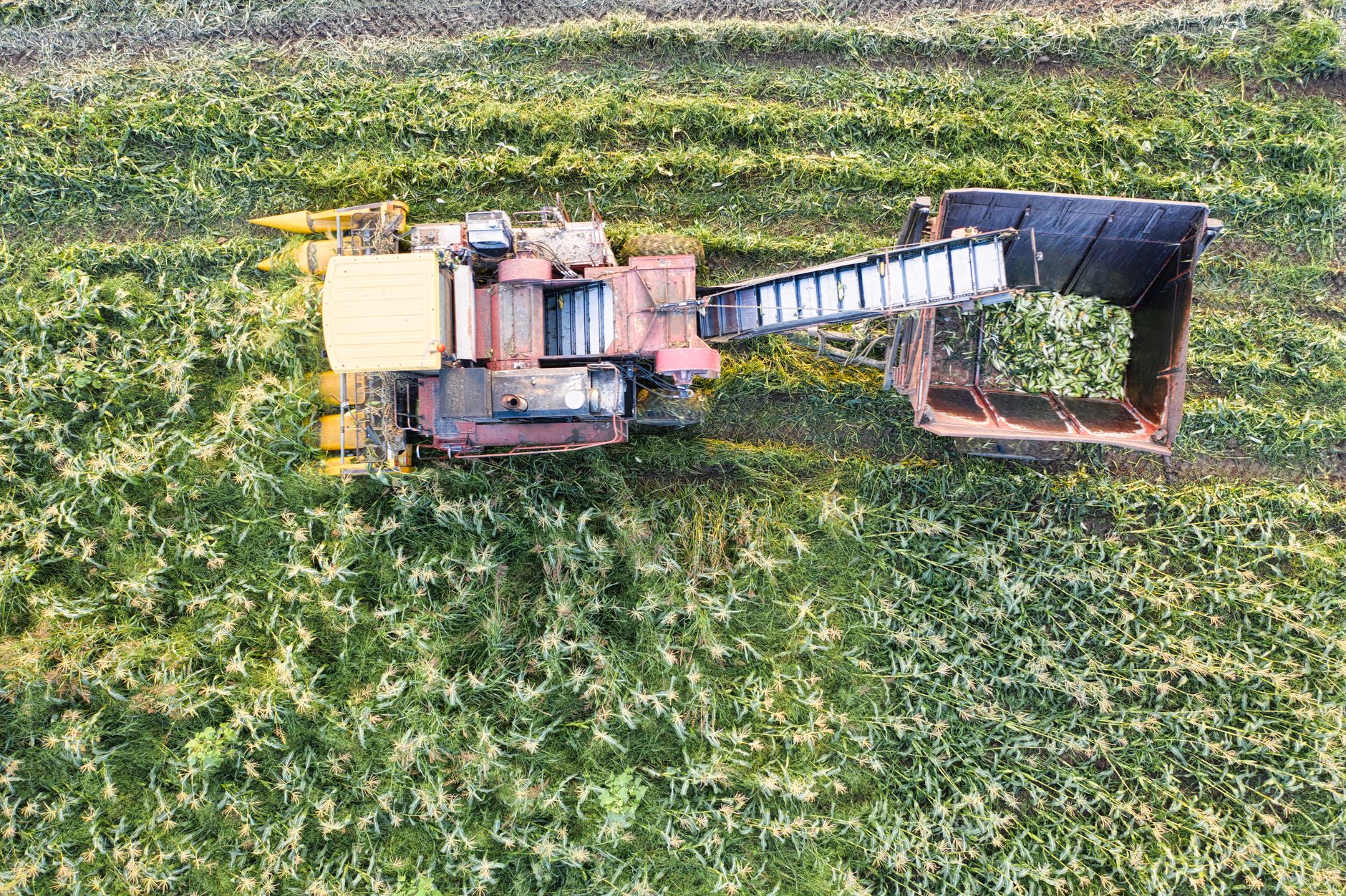
We cut the first field, a forty on the north end, until the dew came back at a quarter to nine. I unloaded the tank, a little over two hundred bushels, on the go. Craig drove the grain cart, a faded red tractor pulling a ten year old cart behind it. He is Linda’s husband, a lineman for the electric co-op, and he took his vacation days for harvest. He came up alongside me in the field at the same speed, and I swung the unloading auger out and let the beans pour into the cart in a long gold rope. Tyler watched Craig’s tractor the whole time, the way he might watch a man crossing a creek on a log.