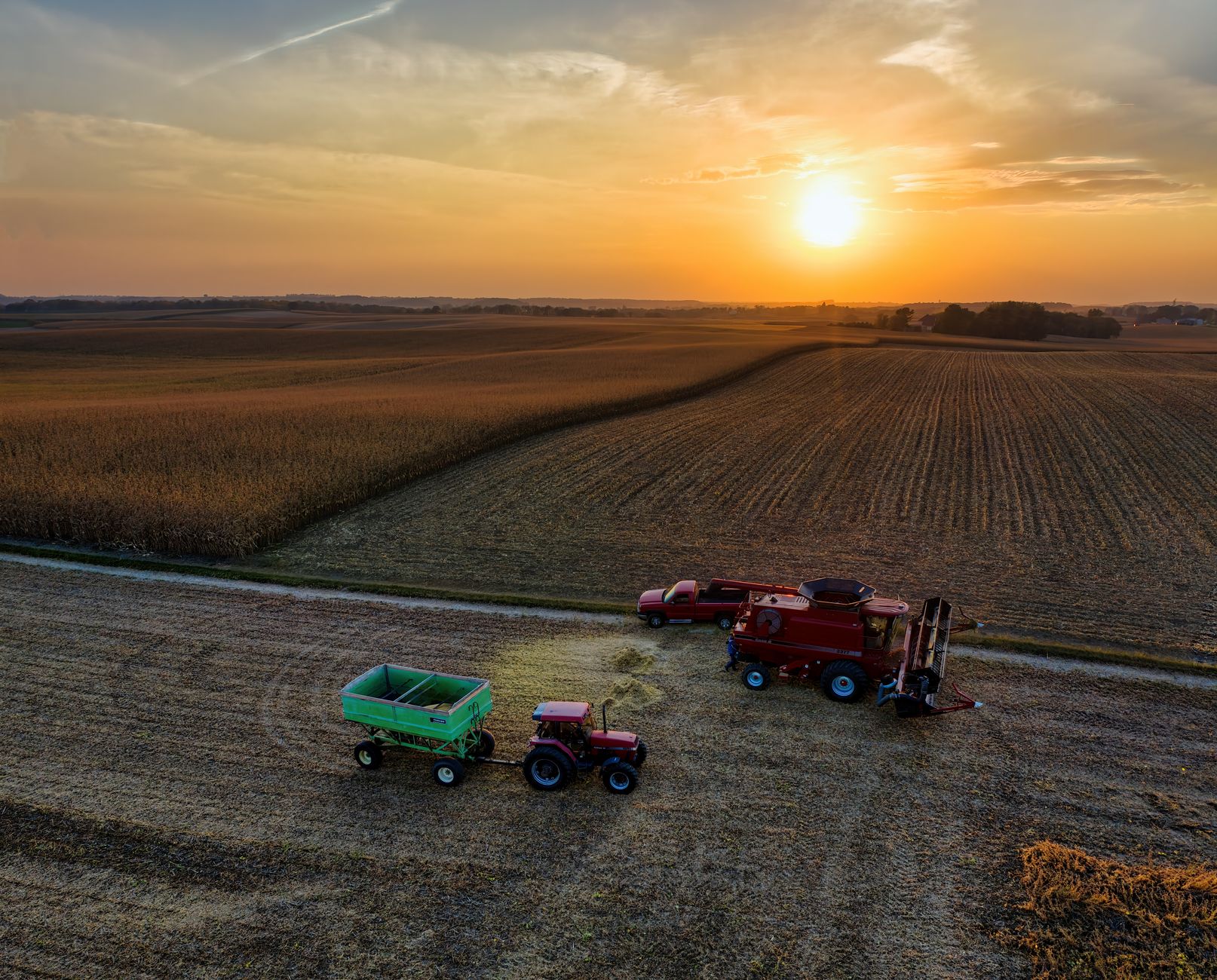
The Last Four Rows He Left
My father’s family was not the family that gave corn away in 1954. They were the family that needed it. My grandfather was hurt, the crop came in short, and a seven-year-old boy who grew up to be my father went to bed hungry more nights than a child should in this country.
And a man down the road left four rows. Not three. Not five. Four, because that, as near as a hungry boy could figure, was exactly what it took to carry his family to spring.
My father put that man’s name on the board, and I know it now, and I will tell you what I did with it. I did not carve it anywhere. I did not print it here. The man would not let it be said out loud in his life, and I honor that. But every Saturday of the gleaning, when the crews gather at the first gate, I read his name once, quietly, to the people about to go down the rows, and then I fold it back up and put it away. That is the only place his name is spoken. I think he would allow me that much.
My father spent the rest of his life paying the debt the only way he knew, by leaving the same four rows for the next family too proud to ask, and he never told a soul, not even me, because the man who saved him never told a soul either. That was the whole rule of the thing. You do not put your name on it. You just leave the rows.
The county gleaning, and the number
So here is where we are, and here is where it goes from here, because my father taught me a story is not finished until you say what it cost and what it was worth.
That first October there were eleven farms. We kept every ticket off the Co-op scale, and when I added them up at the kitchen table in November, eleven sets of four rows, snapped by hand by church ladies and farm kids, had come to a little over sixty-one thousand pounds of corn.
Sixty-one thousand pounds. Ground into cornmeal in two-pound sacks with no name on them, it fed families in three towns through the winter, and Pam sat down on the basement steps when I read her the number and did not get up for a while.
This past fall there were twenty-six. Word got around, the way it does. The elevator put up a sign-up board by the scale. The FFA chapter adopted it as their fall project. A seed dealer donated the fuel for the trucks.