The Last Four Rows He Left
The morning I meant to do it alone
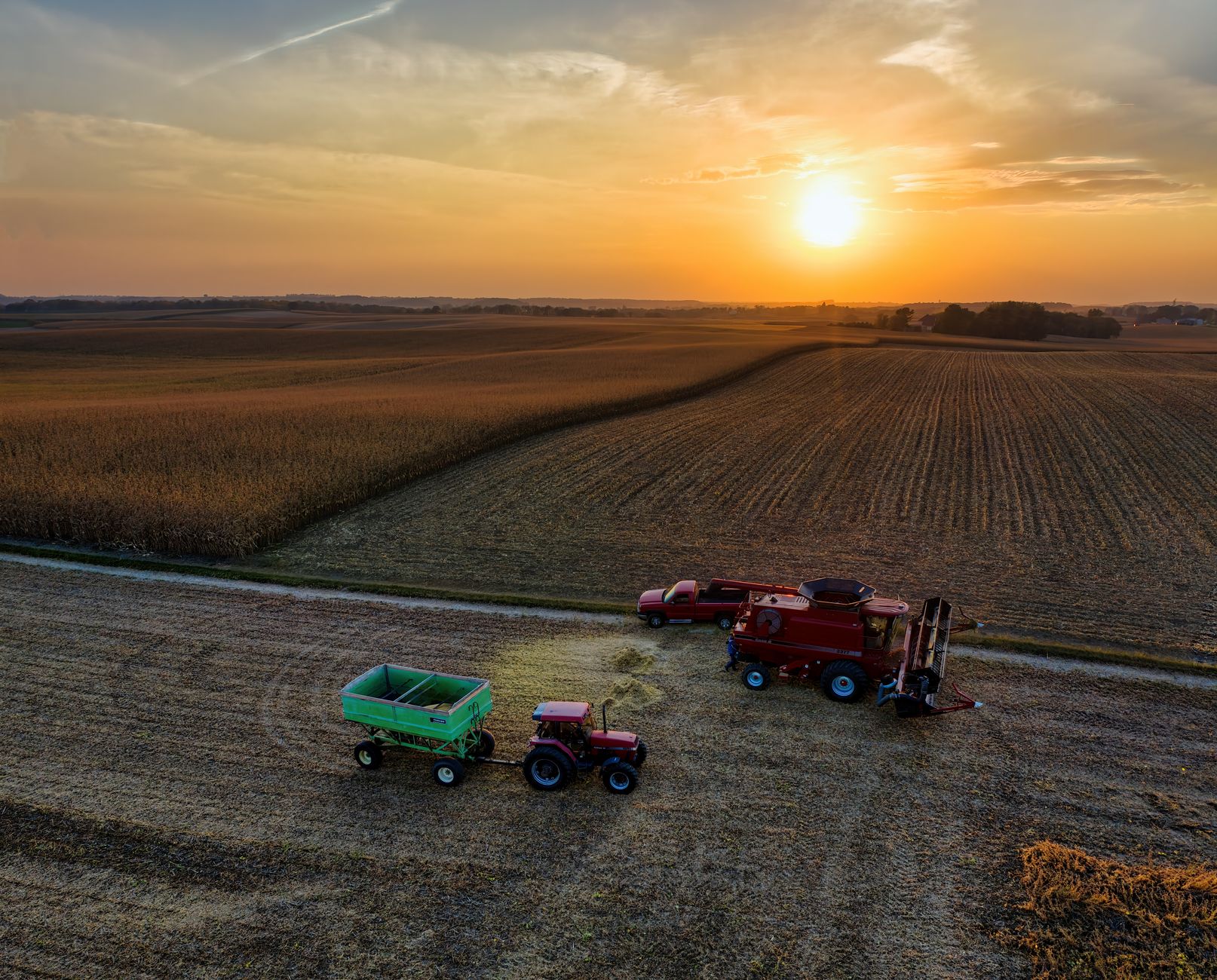
The morning I drove out to cut down the last four rows of my father’s cornfield, I went before light on purpose. I did not want anybody watching me do it.
My name is Ruth. I am sixty years old. I grew up on my father’s corn ground outside a town in eastern Nebraska so small the water tower holds our whole history on one tank.
My father was Virgil. He farmed the same half section for fifty-three years, the ground his own father broke, and he had one odd habit the whole county knew him by.
Every fall, when the combine finished the field, he left the last four rows standing on the east end. He never cut them. He let the food pantry in town send people out to glean them down by hand.
Four rows. Never three. Never five. The same four rows, the same east end, every single year for thirty-one years.
He died in August, in his sleep, at seventy-nine. The hired man found the house quiet at six and his coffee cold on the counter.
We buried him on a Tuesday. The corn was still green and soft in the husk, weeks from ready, so there was nothing to decide about the field yet.
Then October came, and the ground dried, and the crop went from soft to hard, and the question I had been dodging sat down across the table from me.
Who leaves the four rows now.
I told myself the answer was nobody. The man who left them was gone. A tradition is only a person doing a thing, and when the person stops, the thing stops.
So I made up my mind to cut them. All of it. Clean the whole field, the four rows with the rest, and let that be the end of it before it could turn into a thing I cried about every harvest for the rest of my life.
I set my alarm for half past four. I wanted to be out there and finished before a single neighbor was awake to see me take his last rows down.