The Last Four Rows He Left
The green combine that would not die
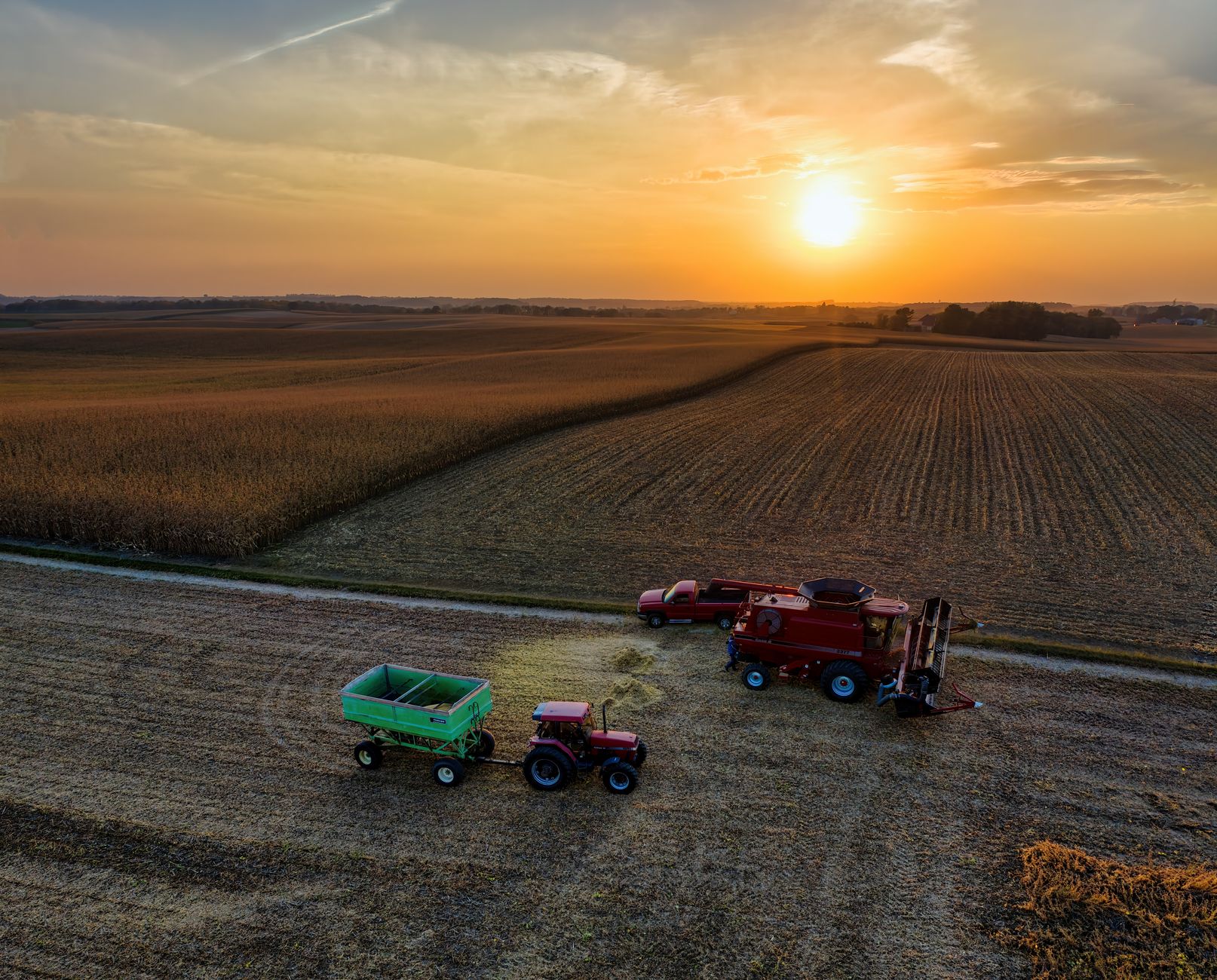
My father owned a 1979 John Deere combine, a 6600, painted the green that is almost gray now from fifty harvests of sun. He would not trade it. Dealers called the house. He said it ran, and a thing that runs owes you nothing more.
I grew up on the buddy seat of that machine. I knew the smell of it, hot grease and dry chaff and the sweet dust that corn throws when it threshes.
The night before, I went out to the shed and I got it started, which took some doing. It coughed and spit and then caught and settled into that rough old idle I would know in my sleep.
I let it warm. I checked the header. I filled the tank. My father kept everything ready, and even dead a month, his machine was readier than I was.
His shop was the way he left it. The pegboard with every wrench in its painted outline. The coffee can of cotter pins. The calendar still on August.
And over the workbench, where it had hung my entire life, a piece of gray barn board with three words burned and painted into it in his square hand.
Leave four rows.
Under the words, small, a date. 1954. I had looked at that board ten thousand times and never once asked him about the number under the words. It was just part of the shop, like the vise and the smell of diesel.
I shut the shop light off. I did not look at the board. I was in a hurry to do a thing I did not want to do, and I did not want any more reasons to stop.
I climbed up into the cab, and I pulled out of the yard in the dark with my headlights cutting a cone through the ground fog, and I drove the half mile of gravel out to the home field.
The headlights at the gate
I came up the little rise where the road bends, the one that hides the field until you are right on it, and I saw lights.
For one foolish second I thought I had left a yard light on somewhere. Then the rise dropped away and I saw them clear.
Combines. Not one. A whole line of them, idling along the gravel shoulder with their headlights pointed in at my father’s gate, throwing nine cones of light into the standing corn.
I counted them twice because I did not believe the first count. Nine machines, green and red and one old silver Gleaner, nose to tail along the road, running quiet in the gray.
My first thought, God forgive me, was that something was wrong. That there had been an accident, or a fire, and the neighbors had come. That is how a farm wife’s mind runs. Trouble first.
I pulled up short of the gate and climbed down, and the cold hit me, and a man got down out of the lead machine and came walking into my headlights with his cap in his hand.
It was Dale Ferris. He farms the next place east, and he is maybe fifty, and I have known him since he was a boy my father paid a dollar a day to pick rock.
Ruth, he said. We figured you would come early. Virgil always came early.
I asked him what in the world they were all doing out here at this hour.
He turned his cap around in his hands a couple of times, the way a farmer does when he has a thing to say and is not sure of the words.
Then he said, we come to help you cut it. All but the four.