The Last Four Rows He Left
What Dale told me at the gate
I did not understand him at first. I thought he meant they had come to pitch in with my harvest, the way neighbors do when a man is laid up or passed.
That was part of it. But not the heart of it.
Dale said that after Virgil’s funeral, back in August, a few of them had been standing around in the church lot the way men do, nobody wanting to be the first to leave.
And somebody, Dale would not say who, said it was a shame the four rows would stop now.
And somebody else said, well, who says they have to.
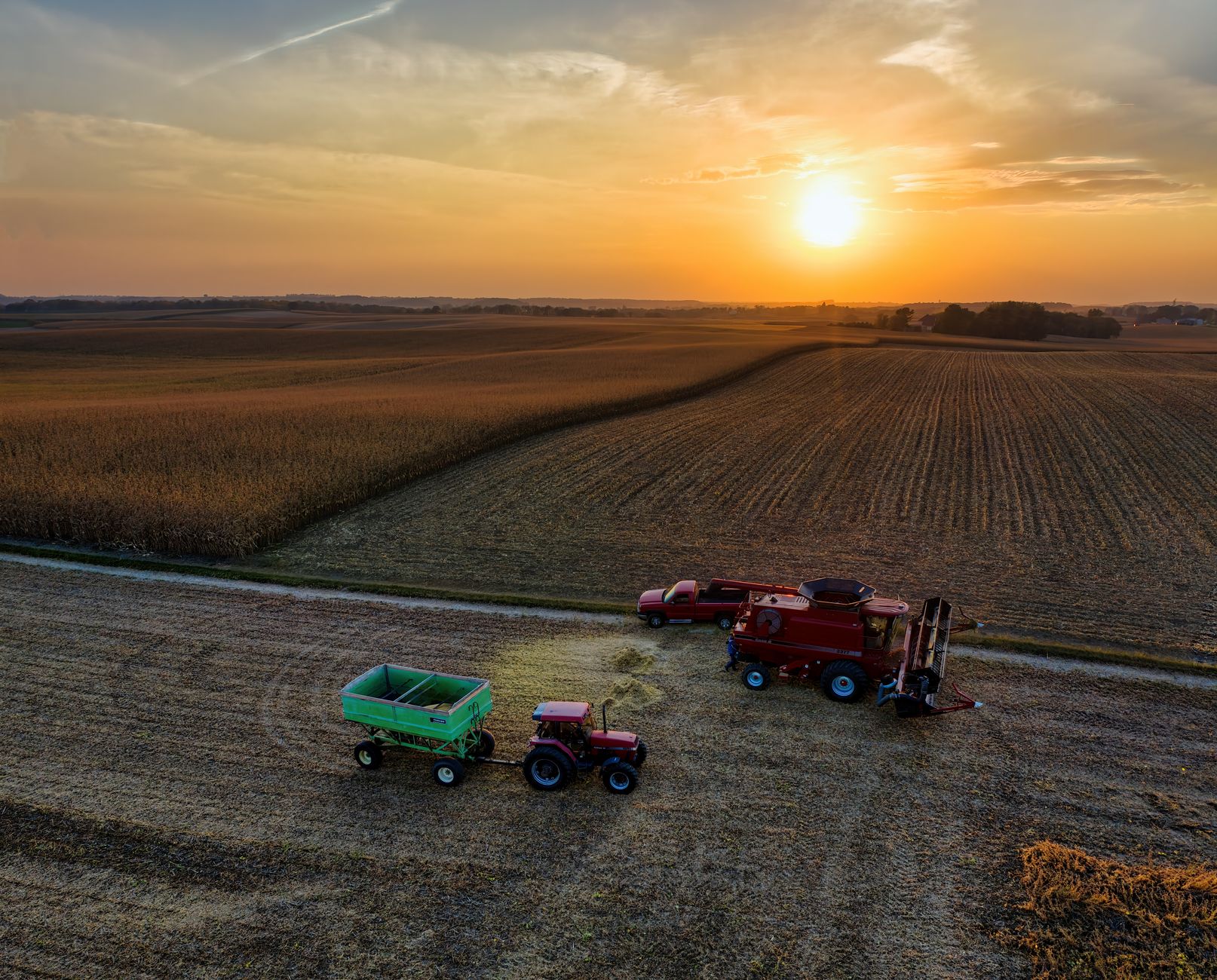
Dale said that was the whole of the conversation. Nobody made a plan. Nobody passed a sheet around. But that week in October, when the fields came ready, every man standing at my gate had gone out onto his own ground and left the last four rows on the end standing. For the pantry. The way my father did.
They had not told each other. Each one just did it, thinking he was the only one, the way my father had done it alone for thirty-one years.
Then they had found out, the way you find out things in a small county, leaning on a tailgate at the elevator, and once they knew they had all done the same thing, somebody said they ought to go help Virgil’s girl bring his crop in.
So here they were. Nine of them. At half past five in the morning, with their own harvests waiting at home, come to cut my father’s field and leave his four rows standing one more time.
I stood there in the headlights and I could not make a single word come out of my mouth. I just put my hand over the lower half of my face and I nodded at Dale like a fool, and he nodded back, and he put his cap on and said, well then.