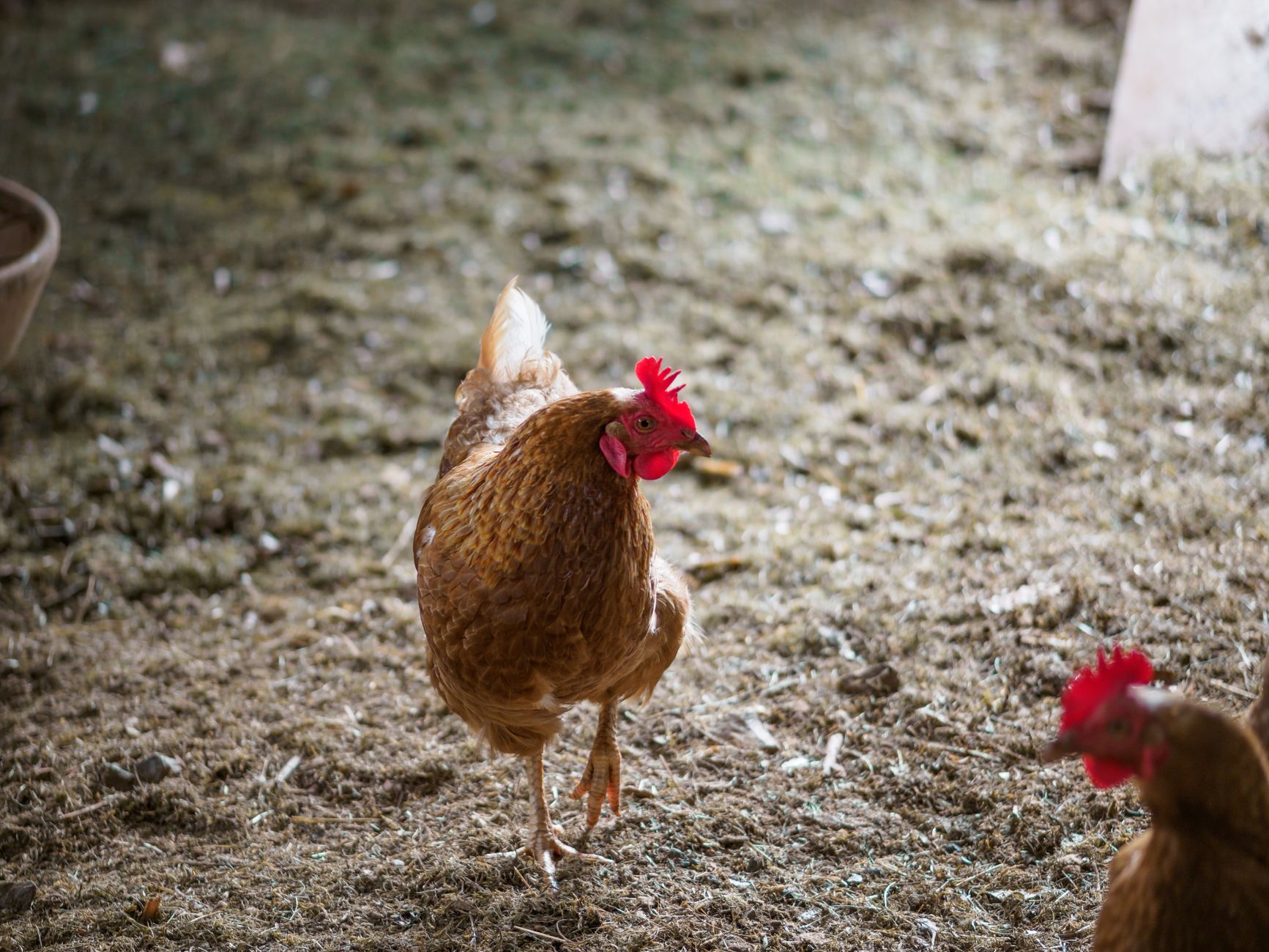
The Forty Hens I Bought Back
The telephone in Mom’s kitchen rang eleven times before noon.
Two of the calls were hens. The other nine were egg customers.
A woman named Connie, over by Waco, had six. She had turned them straight in with thirty red hens of her own and could not tell one from another.
“Look at their right legs,” I said.
She set the telephone down. When she came back she was laughing. “Well, I’ll be. Your mother was a smarter woman than I am.”
That was eighteen dollars, and she sent us home with a jar of chokecherry jelly besides.
The other call was a man out past Bradshaw, and he was not laughing.
His name was Denny. He was about sixty-five, retired off the railroad, and he had a neat little henhouse with a new tin roof. He met us in the yard with his arms folded. He had five of Mom’s hens, and he had not penned them separate, and they were already scratching around with his own.
“I about didn’t call,” he said. “They’re laying good. I got three eggs out of those five this morning, and that’s the day after hauling them. I paid what was asked. I didn’t cheat anybody.”
“No, sir, you didn’t,” I said. “You did nothing wrong. That’s why it’s three and not two. And if you say no, I’ll thank you for your time and go home, and I won’t think one bit less of you.”
He looked at Colt, who had walked over to the fence and was standing still with his hand held low, the way Mom taught him.
A red hen with a blue band came across that yard at a trot. She stopped at Colt’s boots and squatted down flat, wings a little out, the way a hen will for somebody she knows.
“That’s one of ours,” Colt said. “I helped Grandma band the blue ones. I held them.”
Denny unfolded his arms.
“Well, shoot,” he said. He rubbed the back of his neck. “My mother kept hens. If somebody had sold hers out from under the casket, my dad would have gone to every farm in Hamilton County.” He went into his shed and came back with a wire catching hook. “Don’t wait for dark. I’ll get them. You’ll never catch that speckled one without it.”
He took the fifteen dollars, too. He said a man ought to take what’s offered when it’s offered honest.
That made nineteen hens on Mom’s roost by Wednesday night, and fifty-seven dollars gone out of the can.
Dale got there at half past nine, still in his work coveralls and smelling of ammonia. He did not come in the house first. He went straight to the coop with a trouble light and a handful of tools, and he fixed the latch on the pop door that Mom had been tying shut with baling twine since Christmas.
When he came in, Lucille was sitting at the kitchen table in her robe. She had not gone to bed that night.
“Evening, Lucille,” he said, and that was all he said to her. He washed his hands at Mom’s sink and ate what was in the oven, and when he was done he looked at me and asked, “How many?”