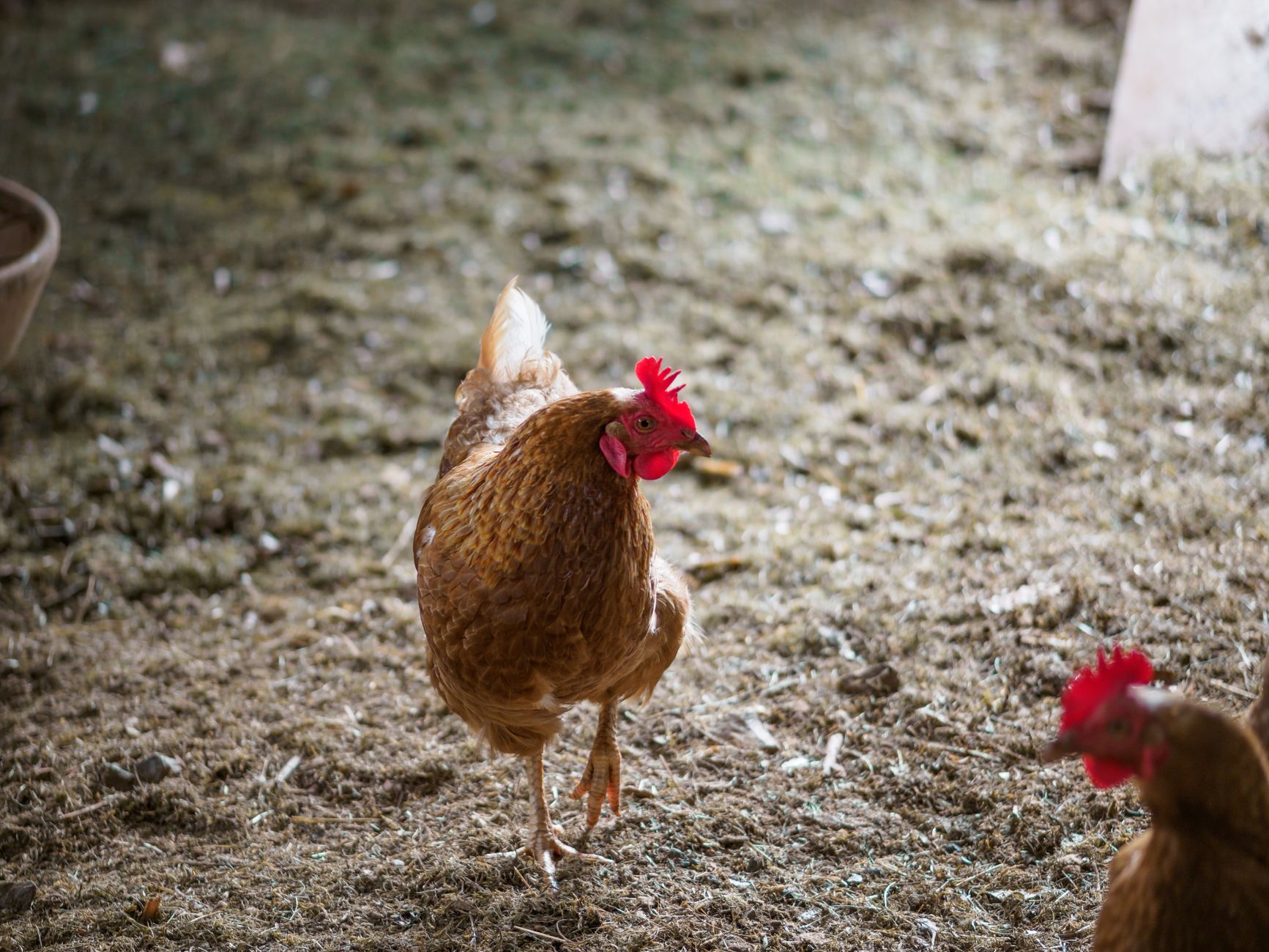
The Forty Hens I Bought Back
She did not have anything sensible to say to that. I picked up the can and went out to call my husband.
Dale drives the anhydrous truck for the co-op, and the last week of April is no time to ask a co-op man for a day off. He had already used his three days of funeral leave standing beside me. Every farmer in the county wanted nitrogen on before the corn went in, and he was hauling tanks from before daylight until after dark.
He listened to the whole thing without interrupting. I could hear the truck idling.
“Two dollars,” he said finally.
“Two dollars.”
He was quiet a second. Dale loved my mother. She fed him every Sunday for twenty-two years and never let him leave without a carton under his arm.
“Take my pickup,” he said. “The keys are on the hook. Put Duke’s crate in the back, the big wire one, it’ll hold six or eight if you don’t go far.” Then he said, “Bring them home, Annie. I’ll be out there the minute I can.”
Our son Colt is fourteen. I picked him up at the school at three-thirty with the crate already in the truck bed and the coffee can on the seat, and I told him what his great-aunt had done.
He did not say a word for about a mile.
Colt had been feeding those hens since he was big enough to carry the scoop. He had fed them all four days since Mom died, morning and night, and gathered the eggs, and put them in the icebox on the back porch the way she taught him.
“Did she sell Pearl?” he said.
“She sold all of them, honey.”
He looked out the window at somebody’s planter crawling across a field. “Pearl’s seven. She lays about one egg a week. Whoever got Pearl is going to eat her.”
“Then we’d better get moving,” I said.
I had one name, and it was not enough, so I drove to the feed store before it closed. Lucille had tacked a card on the bulletin board there too. I took it down and handed it across the counter to Jeff, who has sold my mother layer pellets and oyster shell for as long as I can remember.
He read it and his face changed.
“I wondered,” he said. “I heard it on the radio and I thought, that’s not Rosalie’s voice and that’s not Rosalie’s price.”
“Do you know anybody who went?”
“Kim Kroeker was in here at noon. Bought a sack of pellets and told me she’d gotten eight hens for sixteen dollars and felt like a thief.” He was already writing on the back of the card. “North of Benedict, second place past the church. Go on. She’s good people.”
She was.
Kim Kroeker came out on her step with a baby on her hip and two more children behind her, and before I had finished saying my name she said, “Oh, no. Oh, it was your mother.”
“It was.”
“I knew two dollars was wrong. I said so at dinner. I said, somebody’s grandma has died and somebody’s cleaning out, and I just did not know whose.” She shifted the baby. “I’ve got them penned by themselves. You don’t put strange hens in with your own the first week.”
It was getting on toward dusk by then, which is the only sensible time to catch a chicken. A hen on the roost at dark will let you lift her off like a loaf of bread, so long as you hold her wings snug and keep the light out of her face.