The Gas My Neighbor Kept Taking
Terri
Terri had not moved. She was standing at the bottom of her own steps with a dish towel twisted around her fingers, and she was not looking at Larry or at me. She was looking at her husband.
“Where did you put it?” she asked him.
“What?”
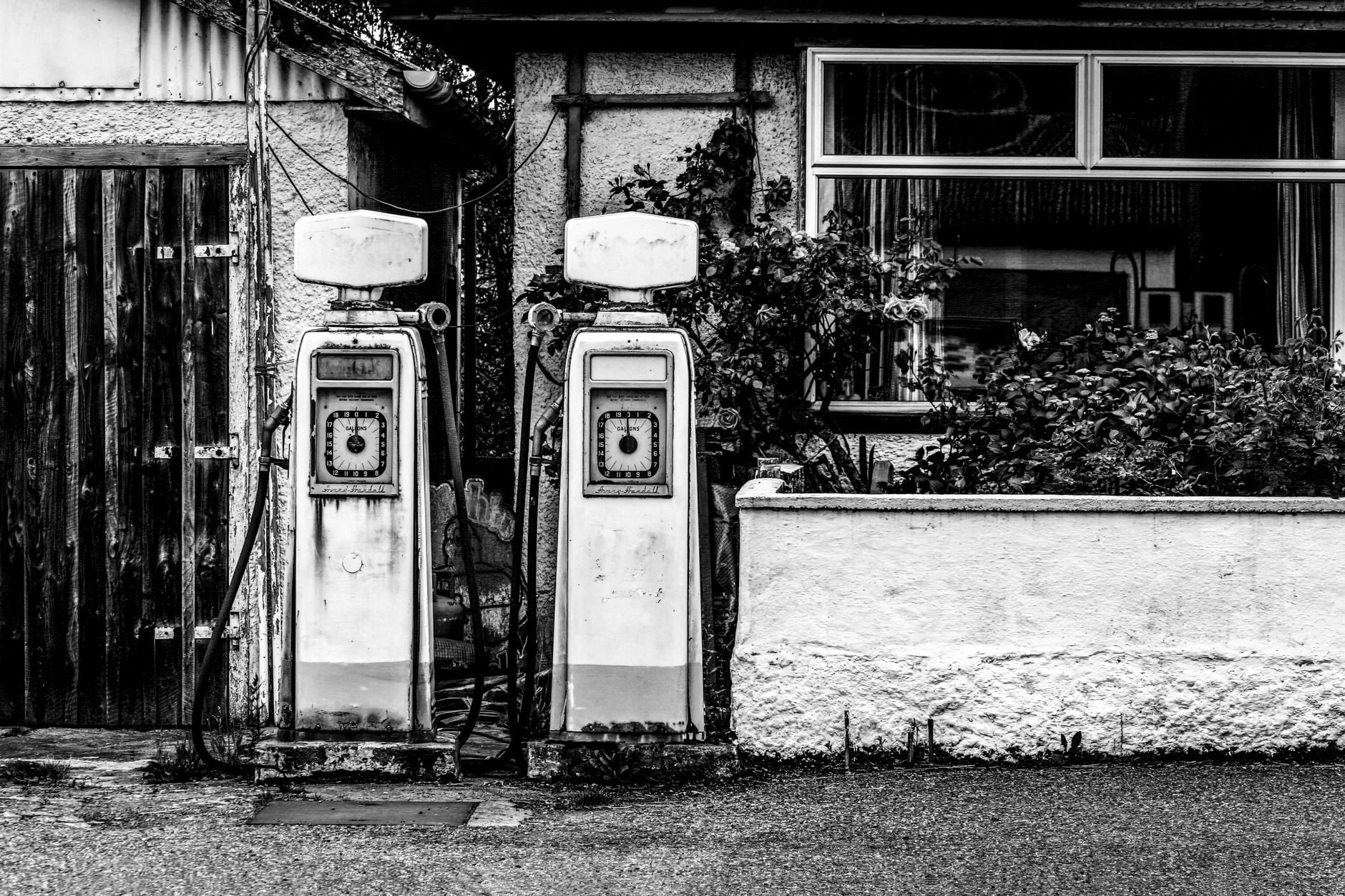
“The gas. Two hundred and twelve gallons. We have two trucks, Clint. We do not use that much. I have been paying the gas card bill every month since June, and I said, why is it so low this year, and you said you were driving less. You said you were being careful.” Her voice was very quiet. “You said you were being careful with the money.”
“Terri.”
“Did you tell me that?”
He did not answer. A little boy in a Royals shirt said, “Is Clint in trouble?” and his mother carried him off down the street without a word.
I felt it right then. I had done the thing I came to do. The truth was out in the open air where he could not put it back in his pocket, and I did not need one more second of it. I did not want to stand there and watch her hurt.
“Terri,” I said, “I am sorry it came out like this. You did not have anything to do with it.”
She turned. She had tears standing in her eyes, and she did not let them fall. “No, Mr. Norris,” she said. “You are not the one who ought to be sorry.”
She walked to the porch. She reached into her apron pocket, took out a worn leather wallet, and counted out five twenty-dollar bills from it, one at a time, in front of the street. She put them through the slot in the coffee can.
“That is a hundred dollars,” she said. “Clint will owe you the rest by Sunday. And Darrell, if there is anything else of yours in my garage, I will carry it over myself in the morning.”
“Terri, come on,” Clint said.
“Do not talk to me right now.”
The long way down
Clint tried every approach a cornered man has. He said it was a misunderstanding, and that he had meant to pay it back all along. Larry stood at the bottom of the steps through all of it. When Clint ran out of things to say, Larry spoke very quietly, so that only the front row could hear him.
“We will talk Monday morning,” he said. “In my office. Eight o’clock. Bring a checkbook.”
“Larry, come on.”
“I run a business where men carry the keys to a hundred thousand dollars of other people’s grain,” Larry said. “I do not much care what a man does with his Sundays. But if a man will take what is not his from the neighbor who has been nothing but good to him, and laugh about it, I want to know what he would do with a key.” He did not raise his voice. “Eight o’clock.”
He did not fire him, I should say. I learned later that Larry docked him two weeks and put him on the loading dock for the winter, off the dispatch desk, where he would not handle money. I think that was fair. I have never been in favor of ruining a man’s family because the man was a fool.
Clint did not come out of his house for the rest of the evening. I saw the porch light go off at nine.