The Beach Trip Nora Was Left Out Of
My daughter Nora was seven years old the afternoon my father looked at her across a picnic table and told her she was the one who got rounded down, and I want to start with her face, because I have gone back to it more often than to anything he said.
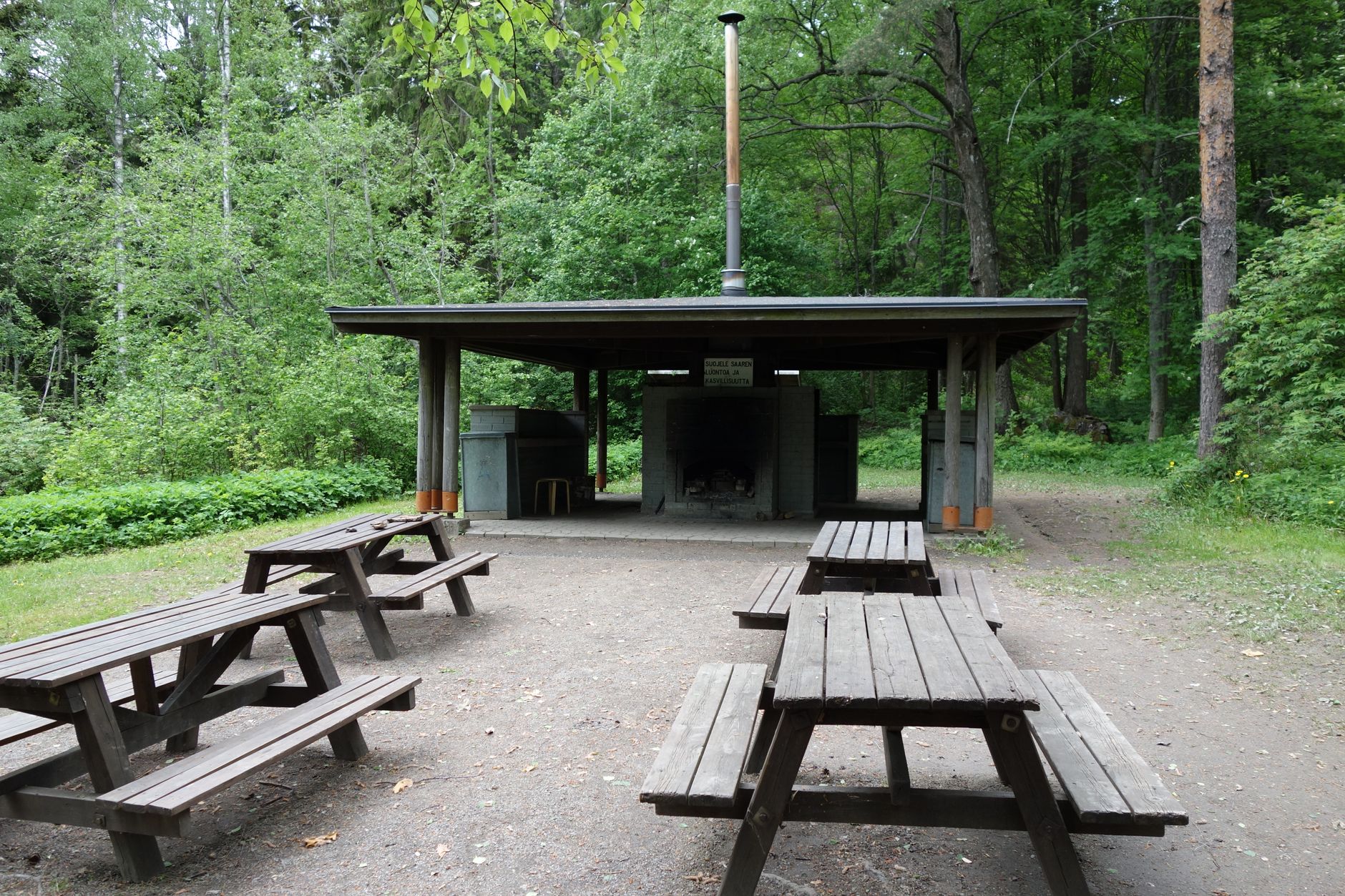
She stood at the end of the long pavilion table at the Maple Grove lake park, in her yellow rain jacket, though there was not a cloud over the water. She wore it because it had a hood with ears on it and nobody had yet explained to her that she should be embarrassed. She held a juice box in both hands. There was ketchup on one cuff. And she was grinning, with the gap where her top front tooth had been until May, because my father had just said her name in the warm voice he uses on people he wants an audience for, and she thought she was about to be handed something.
“Nora, honey,” my father said. “The house sleeps ten, and we’re eleven. Guess who rounds down.”
He had a hot dog in one hand, mustard on his thumb. He smiled at her the whole time. That was what raised the hair on my arms. He was not angry. He was not even loud. He was being pleasant, which is the worst thing my father knows how to be.
Then he turned his head toward me. “Cindy can stay home and keep her company. Curt’s coming. He’s the one who fishes.”
Nobody said a word for about a second and a half. I counted it, the way you count between lightning and thunder.
Then my uncle Hal laughed, a big wet bark, and that gave everyone else permission. My aunt Glenda said, “Oh, Leon,” in the sing-song voice she has used for forty years to say that something is terrible and none of her business. My mother, Beverly, lifted a paper napkin to her mouth the way she does in church when someone’s phone goes off. Hal’s grown kids looked at their plates.
I looked down the table for my husband.
Curt Aldridge was eating potato salad in the folding chair he always takes, the one with the good angle on the grill. When my father said, “Right, Curt?” my husband lifted his eyes, looked at my father, and gave one small nod. Not a hard nod. Not even unkind. The easy nod of a man agreeing that the corn looked ready this year. Like Nora was the simplest thing in the world to leave behind.
Nora looked at me.
She did not look at my father, who had said it, or at Curt, who had agreed. She looked at me, and I watched her grin come apart one piece at a time, because a seven-year-old’s face does not know how to fall all at once. First the corners. Then the gap in her teeth closed. Then her eyebrows climbed, trying to hold everything in place, and she squeezed the juice box so hard that a line of apple juice ran down her wrist into the ketchup.
“Cindy, don’t make that face,” my mother said.
I did not make a face. I have been training it since I was nine. In my father’s house you learn early that if you show him what lands, he will keep aiming at it.
I walked down the length of the table, took the zipper pull of her yellow jacket, and brought it up to her chin with both hands, slowly, the way I do when we are about to go out in the cold. I told her we were going to see if the ducks were still at the dock. She slipped a sticky hand into mine. She did not say a word until we were halfway across the gravel lot, past my mother’s Buick, and then she stopped, tipped her face up, and asked in a voice about the size of a thimble, “Did I do something wrong?”
I knelt in my good slacks and told her no. Not one thing, and I would never lie to her about that as long as I lived.
Behind us the pavilion got loud again. Somebody had already moved on to the cobbler.