The Gas My Neighbor Kept Taking
A street with nothing else to do on Friday night
Julie lives three doors down from me, in the yellow house with the wind chimes. She is seventy-three, a retired school secretary, and she knows the day of the week every funeral, wedding, and divorce in Oak Hollow is happening before the people involved do. I had mentioned in passing that I wanted a quiet word about Friday, and she came straight over with a casserole as an excuse.
“The fish fry is Friday,” she said. “Did you forget?”
I had forgotten. It is the oldest event on Cottonwood Lane, the harvest fish fry, put on by the church and the Oak Hollow Farm Co-op every October. They block both ends of the street with sawhorses. They pull out the long folding tables and set up two propane fryers on the pavement, and the whole neighborhood turns out in lawn chairs with potluck dishes. This year it was starting at five o’clock.
And Clint’s front porch faced the exact stretch of pavement where the tables would be.
“Julie,” I said, “do you think you could make sure a good crowd is out there at about twenty to six?”
She looked at the casserole dish in her hands. She looked at me. She is a sharp woman, and I did not have to say much more than that. I told her what I had seen on the camera, and by the time I finished, her face had gone from pink to very white to pink again.
“That boy,” she said. “That boy has been in my garden after dark. I thought it was deer.”
“I am not asking you to do anything but eat catfish.”
“Darrell Norris, you do not have to ask me twice.” She patted my arm. “I will tell Tracy to bring the folding chairs over from the church. And I will tell Larry the co-op ought to fry in front of Clint’s yard, for the sun.”
Tracy is the pastor’s wife. Larry is Larry Pickett, no relation to Clint, who has run the Oak Hollow Farm Co-op for nearly thirty years and who happens to be the man Clint answers to every day at the grain elevator. I had not planned that part. But as Julie went back down my steps, humming, I thought that if God had a sense of humor, he was in it.
Friday
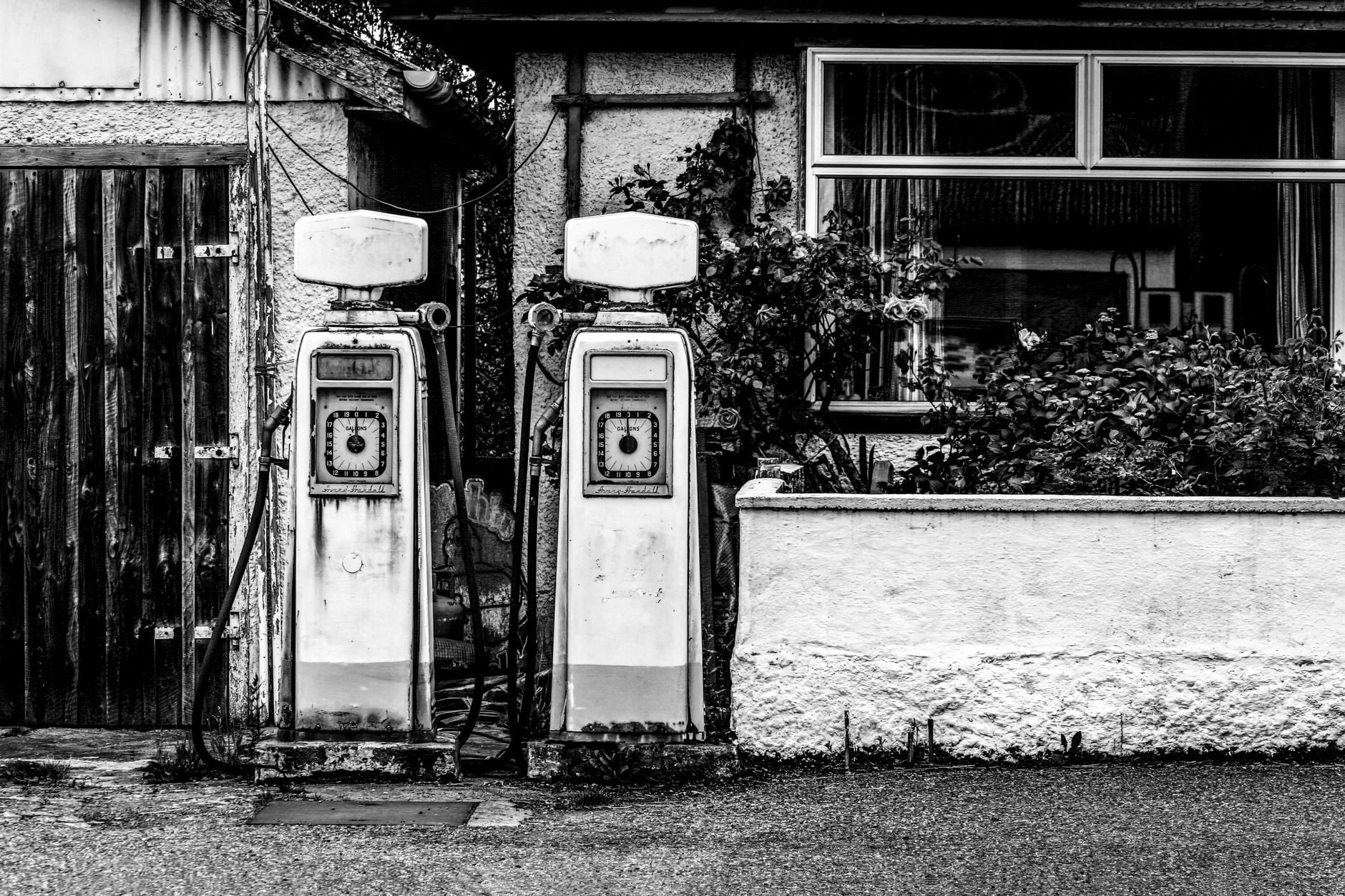
On Friday morning I borrowed a dolly from Barry and wheeled that pump from my garage across my yard and onto the sidewalk in front of Clint’s house. I did this at ten o’clock, while he was at work and Terri was at school. I took my time. I set the hose across the walkway so it ran from the sidewalk to the foot of his steps, and I tucked its little bell box behind the hedge where nobody would see it. I stood the pump on the porch by the front door, where he could not walk past it without bumping a shoulder, and I leaned the sign against the wall above it. I put the coffee can on the porch rail.
I stood back and looked.
By four-thirty the street was full. The sawhorses were up at both ends. Larry had the first fryer going at the curb, and the smell of cornmeal and hot oil had drifted all the way up to my porch. There must have been forty-five people out by then, sitting in lawn chairs along the curb, kids running in circles with paper cups, old ladies with plates in their laps. Tracy had put out a long table of casseroles. Terri had come home early and set out a big pan of her baked beans on the folding table right at the end of her own driveway, in an apron, laughing with the other mothers. She had not looked at her porch. Nobody had said a word to her.
At twenty-two minutes to six, I sat down in a lawn chair across the street, put a plate on my knee that I had no plan to eat, and folded my hands.