What the Scrap Pile Was Really For
The city of Vandalia had my scrap pile on the agenda as Item 6, right after the vote on the new culvert on Third Street and right before a request to rezone a lot by the feed mill.
I knew the number because my daughter had read it to me in the truck on the way over. She read it the way you read a diagnosis, in a careful, even voice, looking at the paper instead of at me.
“Item 6. Abatement of public nuisance, outdoor storage of salvage materials, Old Brownstown Road. Property owner, Marvin Krumm.”
“That’s me,” I said.
“Dad, I know it’s you.”
Joanne parked in the handicapped spot by the side door of city hall, and I did not argue about it, which tells you what kind of year it had been. She got the walker out of the back seat and set it square in front of my door, and I put both hands on the grips and stood up like a man getting out of a bathtub.
I am seventy years old. I ran a road grader for the Fayette County Highway Department for thirty-one years and then I hauled scrap metal for nineteen more, and until March I had never in my life needed anything to hold on to.
I took a folding chair in the back row by the door, and Joanne sat next to me with her purse in her lap and her jaw set.
I had a simple plan for that night. When they called Item 6, I was going to stand up and say, “Do what you need to do, and I’ll sign whatever you need me to sign.” And then I was going to let the city haul away nineteen years of my life in a dump truck and send me the bill.
That pile was never worth anything to anybody but me, or so everybody thought. That was the whole idea.
The pile
If you have driven out Old Brownstown Road on the north edge of town, you have seen it. You may not have meant to look.
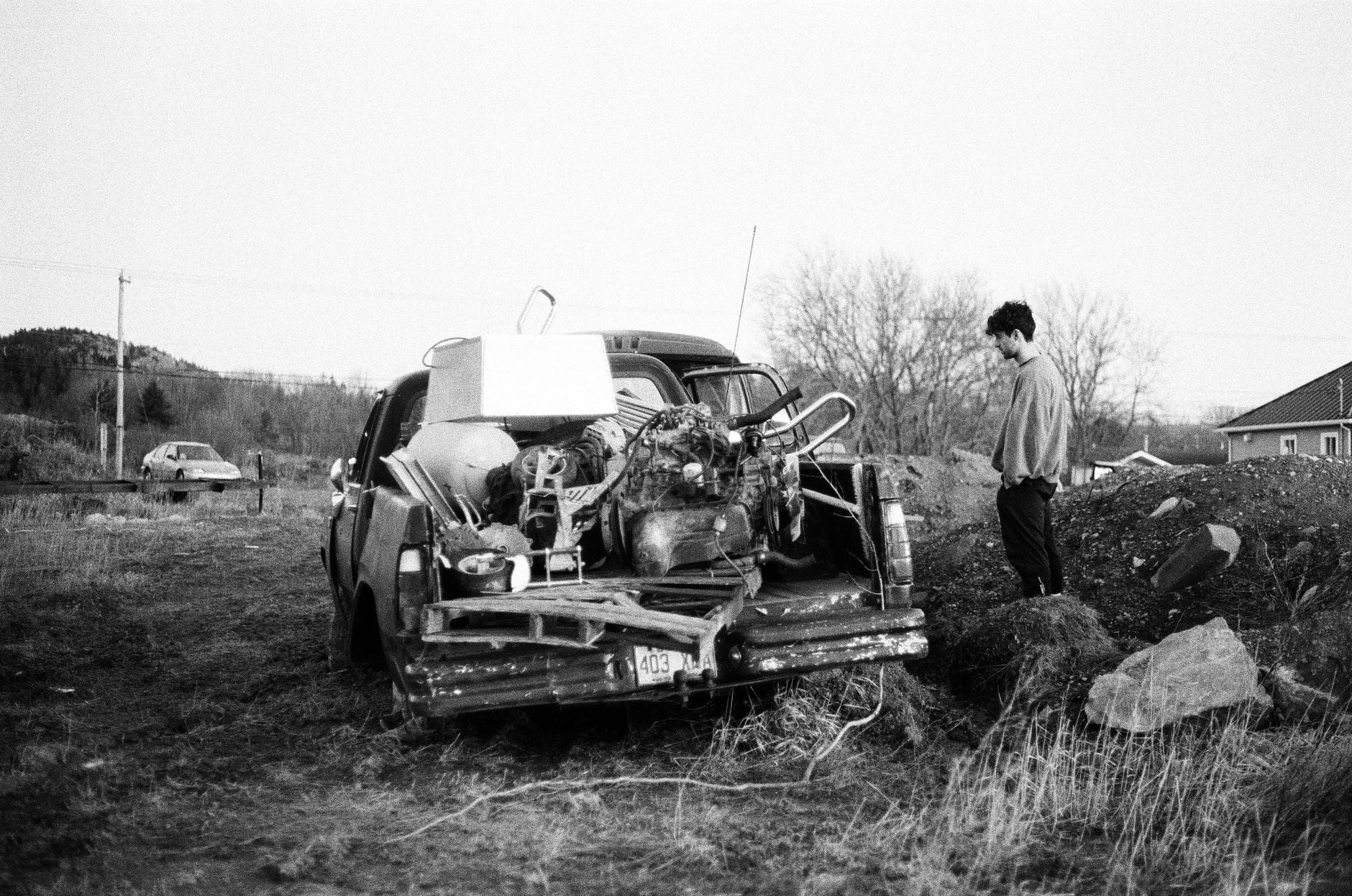
It sits behind my pole barn and out to the fence line, about an acre and a half, and in the last two years it got high enough to see from the road over the barn roof. Bedsprings and water heaters. A cast iron bathtub with the claw feet still on. Cattle gates, eleven washing machines, a stack of tractor wheels I never could get near the scale. Engine blocks, furnaces gutted for their copper. A pickup bed with a tree growing out of it.
For nineteen years the people of Vandalia thought they knew what that pile meant. They thought Marvin Krumm lost his wife and lost his mind a little with her, and filled his back lot with junk because he couldn’t stand to see anything leave. I heard it said at the Casey’s counter. A woman who used to teach with my wife told my daughter at the grocery store, in a whisper, that she hoped I was “getting some help.”
I never corrected anybody, and I want to be straight with you about why.
It wasn’t humility. It was that the second you tell a person you’re doing something good, you start doing it for the telling. I had seen that happen to better men than me. I did not want to be a man with a plaque. I wanted the thing quiet and done right, and the only way I knew to keep a thing quiet in a town of six thousand people was to let them believe something worse.
A crazy old man with a junk pile is invisible. Nobody asks a crazy old man where his money goes.