What the Scrap Pile Was Really For
How a scrap pile pays for school
People don’t know how scrap works, so let me tell you, because it matters later.
You take the thing nobody wants and you weigh it. A yard pays by the pound, and the price moves around like corn does. Heavy mixed steel, old farm iron and bedsprings, pays the least. Aluminum pays better. Copper and brass pay a good deal better, and clean electric motors with the windings in them better still. I had a county pension and a paid-off house. I did not need a living. I needed a number each August.
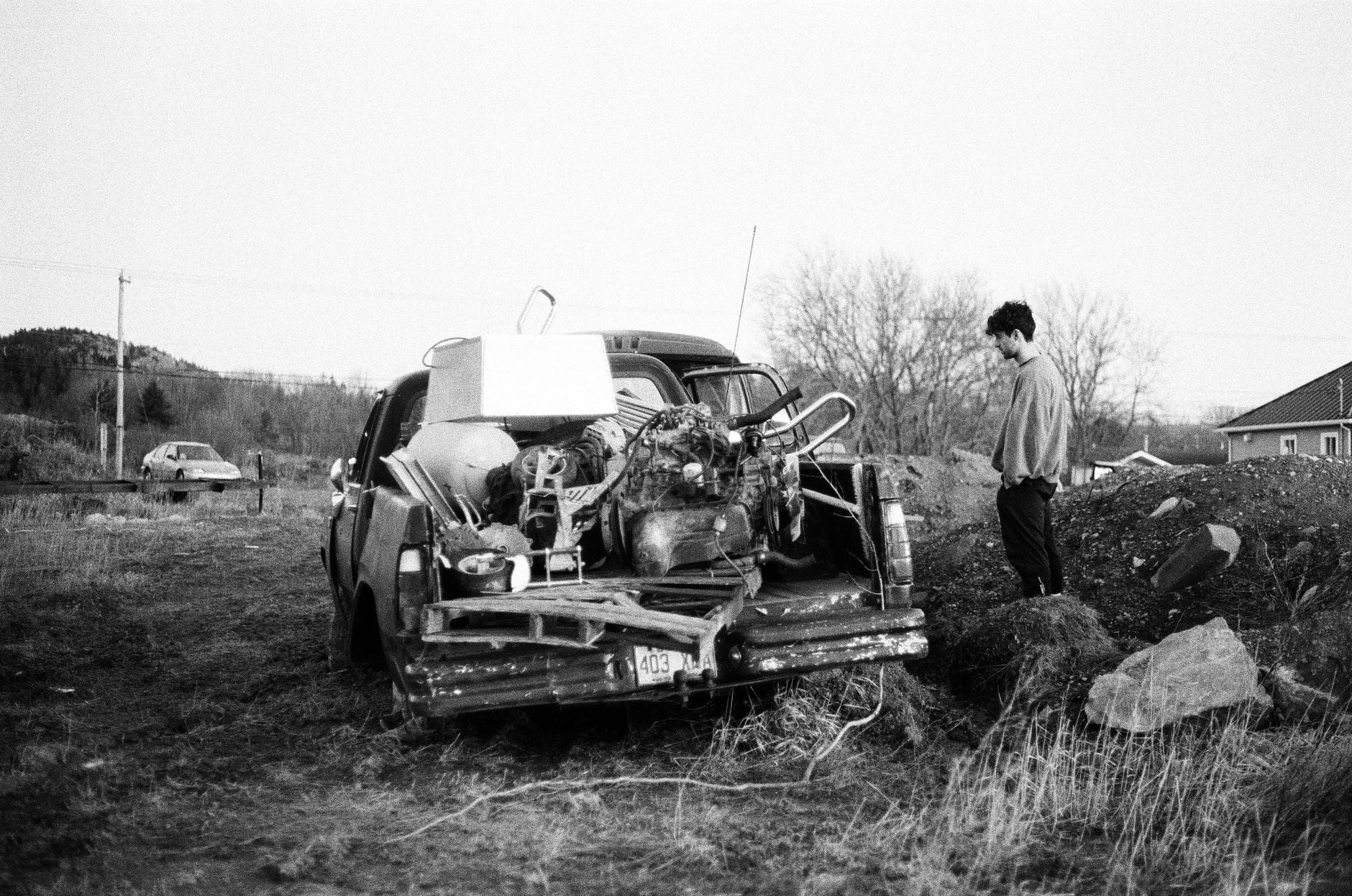
I drove that Ford all over Fayette County. I gutted furnaces in my driveway. I walked the ditch lines the week after the trash pickup and filled feed sacks with aluminum cans until my knuckles split, in January in a coat so stiff it stood up by itself and in July with a wet rag around my neck. Farmers started calling. “Marvin, I’ve got a pile behind the machine shed that Dad left, come get it.” They didn’t want money. They wanted it gone. I’d load what I could and leave the rest to rust until I came back with a bigger truck.
That is how the pile happened. I was good at bringing it in and slow at taking it out. A man trying to make a number by the first week of August will chase the copper and let the iron sit.
Verl would hand me a check. I’d cash it and put the cash in a red Folgers can on the closet shelf.
In the first week of August, Opal would call me at home and say one sentence.
“Lake Land College. Six thousand one hundred ninety.”
Or Kaskaskia, or Eastern Illinois, or one year the University of Illinois up at Urbana, which I paid with a face like I’d bitten a nail. She gave me the school, the number, and a student ID, and nothing else. I wrote the ID on the memo line of a cashier’s check at the bank on Gallatin Street, mailed it to the bursar’s office in a plain envelope, and that was all.
I did not ask who they were. I did not drive past the school at graduation, or run my finger down the honor roll in the Leader-Union. It was the hardest rule I have ever kept, harder than the cold and the bad back. If you know the kid, you start watching the kid, and if you watch the kid, you want something back, and then it isn’t a gift anymore. It’s a loan with a face on it.
So I stayed in the truck. I went on being a crazy old man with a pile, and the kids went on to school.
What it cost
I won’t pretend it was free. It cost me my daughter’s good opinion for a while. Joanne had been trying to move me out of that house for ten years. She said it with brochures, and with questions like “Don’t you think it’s time, Dad?” She believed I was a hoarder. A sensible woman looking at what she could see would think so.
“It’s not junk,” I told her once.
“Dad, it is a bathtub in a field.“
“It’s a very good bathtub,” I said, and she threw up her hands and went in the house.
Here is what I got back. Every August when I put that cashier’s check in the mail, I stood at the mailbox on the road with my hand on the flag, and for about ten seconds I thought of a card in a green tin box and my wife at a desk in a cardigan, putting a check mark down in pencil.
That was enough. I know it isn’t what you’d expect a man to say.