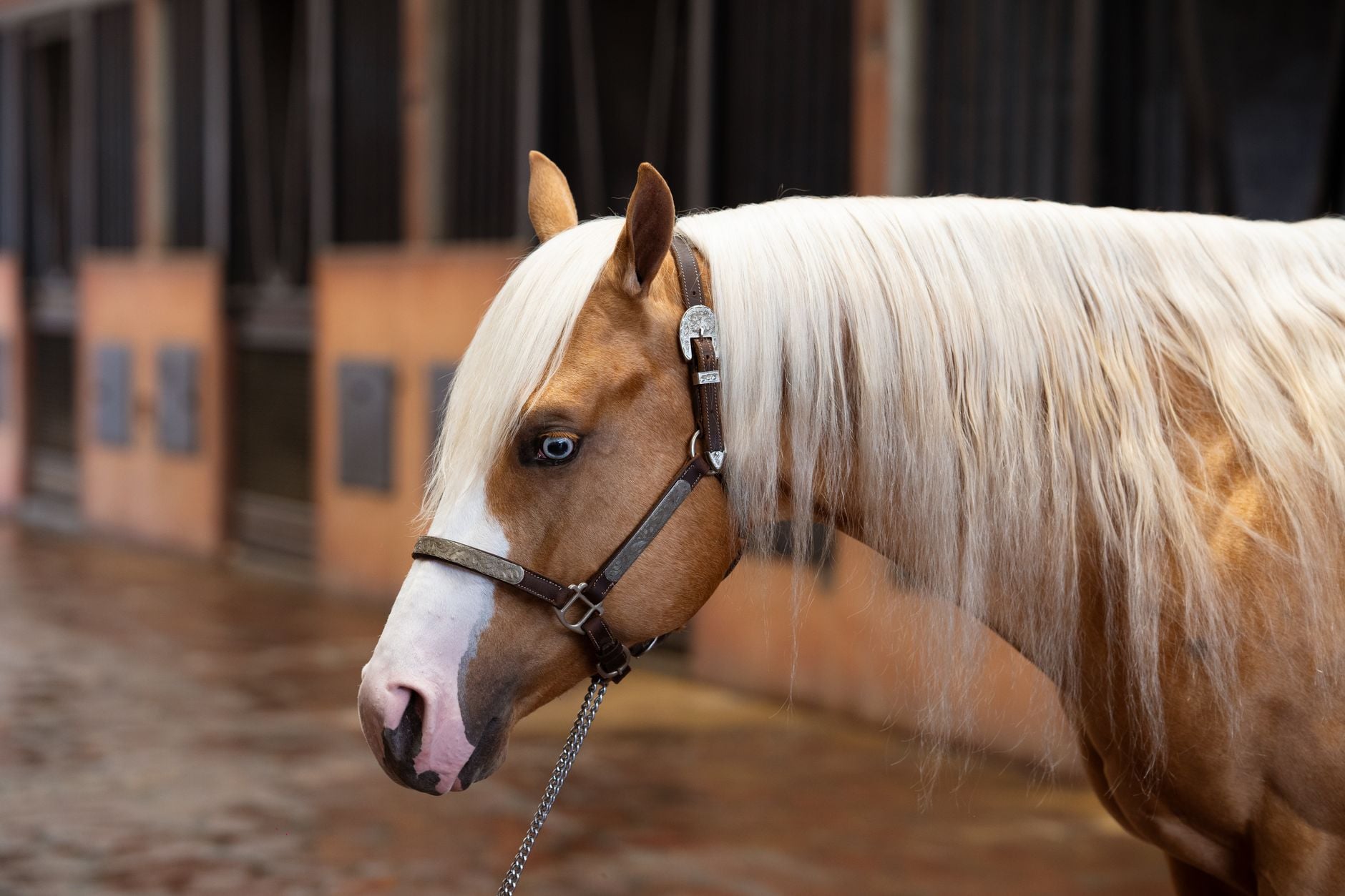
The Stall I Cleaned on Saturdays
The corral was empty.
I stood at the gate with my duffel bag still on my shoulder and looked at it the way you look at a room after somebody has moved the furniture. The water tank had a skin of ice on it that nobody had broken. The hay feeder was bare. On the post by the gate there was a bent nail where his halter always hung, and the nail had nothing on it.
It was the Wednesday before Thanksgiving, 2006. I was eighteen years old and I had been gone from home for exactly three months, the longest I had ever been away from that place or that horse.
I thought, at first, that Dad had turned him out in the south pasture with the cows. That would have been sensible. So I walked around the end of the barn to look, and that was when I saw the car.
It was a green Ford Taurus, parked under the yard light where my pickup used to sit. It had been washed. There was a little pine tree air freshener hanging from the mirror.
We were not a family that had a spare car. We were not a family that had a spare anything.
I went in the back door. My mother was at the counter peeling potatoes for the next day and my father was at the kitchen table with the Midland News and a cup of coffee, still in his county road department jacket.
“Where’s Chief?” I said.
My mother’s hands stopped for about one second and then went on.
My father folded the paper. He did it carefully, in thirds, the way he did everything.
“Sit down, Erin.”
“Where is he?”
“I sold him. Middle of October.” He looked at me straight, I will give him that. “We got thirty-five hundred dollars for him. That’s good money for a grade horse, and it’s more than I figured he’d bring.”
“You sold him,” I said.
“A woman over south of Cody. Good people. He went to a good home.”
“He had a home.”
“He had a pasture he was standing in, doing nothing, eating.” Dad turned his coffee cup a quarter turn on the oilcloth. “You were gone. Nobody was riding him. Hay was a hundred dollars a ton this fall, when you could find it, and I’ve got forty cows to get through the winter on what I put up. I am not going to feed a horse nobody uses.”
That part was true, and I knew it was true. Those were dry years in the Sandhills. The meadows had not made half a crop. He had already sold eleven cows in August that he did not want to sell.
But I was eighteen, and I said the thing that was also true.
“He was mine. I bought him with my steer money.”
I had. I was twelve years old. I had shown a market steer at the Cherry County Fair that August, and after I paid back the feed bill I had six hundred and forty dollars, which was more money than I had ever seen. Our neighbor to the east had a sorrel colt, a weanling, with a blaze face and two white hind socks, and he wanted six hundred for him. I counted it out on his tailgate in twenties.
My father had driven me over there. He had stood right beside me while I did it.