The Stall I Cleaned on Saturdays
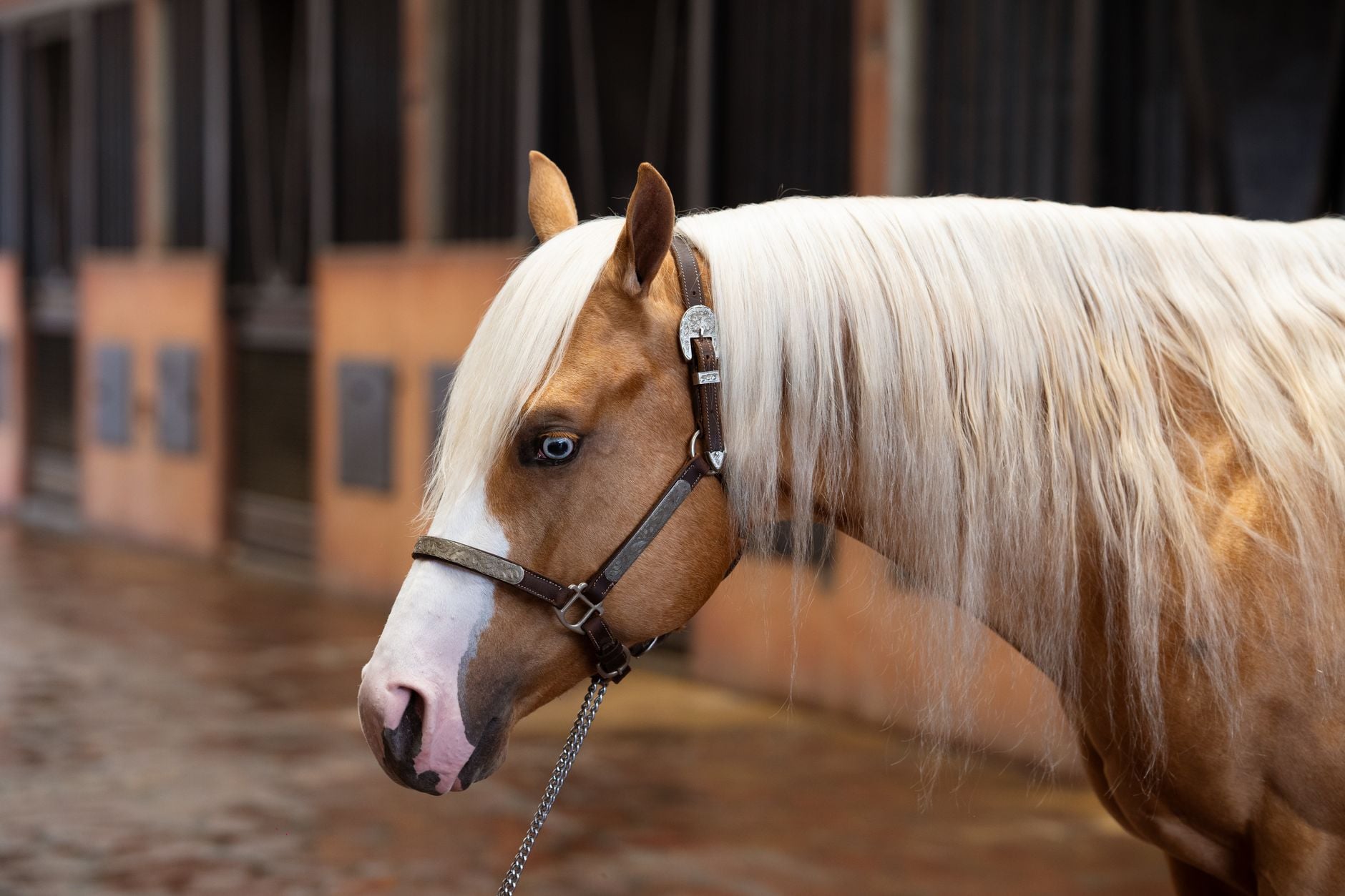
“I was coming to that.” Mrs. Aldous turned the paper over. “A sale ought to be a sale, though, so nobody can say later it was otherwise. This is a bill of sale. One sorrel gelding, blaze face, two hind socks, called Chief. Sold to Erin for the sum of one dollar, received in full. Signed Jean Aldous and Dale Aldous, the first day of November, 2008.”
She held it out to me.
I could not take it. I was holding the rope in both hands by then and I could not make either one let go. Chief had his chin on my shoulder, the way he used to do when I was twelve and he was not much taller than I was.
“Mrs. Aldous,” I said. “I can’t. You need him. Dale needs him.”
“Dale has had two years of the best horse he ever rode, and he has a three-year-old in that barn that you helped make, who’s going to be just as good.” She said it flat. “I have watched a horse stand at that stall door every Saturday morning from six o’clock on, listening for one pickup. I am too old to own something that belongs to somebody else.”
That was when my father came off the rail.
He walked across the corral with his hat still in his hand. He looked older than he had at Thanksgiving two years before. He stopped in front of Mrs. Aldous, not in front of me, and I understood that he could not do it the other way around.
“Ma’am,” he said. “That’s my daughter.” And then, loud enough that the rail could hear it, because I think he had decided on the drive over that they were going to: “I’m the one that sold the horse. She was off at school. She didn’t know.”
There were men on that rail he had stood beside at the sale barn for thirty years. He let them hear it.
“I’ll write you a check for the thirty-five hundred,” he said. “Today. It was my doing and it ought to be my money that fixes it.”
“That’s decent of you, Ron,” Mrs. Aldous said. “But I’ve been paid. Ninety-six times.”
“I’d keep the checkbook in your pocket,” Dale said, not unkindly. “She’s already outbid you.”
Somebody on the rail laughed a little, low, and it was not a mean laugh. It let some of the air out.
Dad nodded slowly. He reached back and took out his billfold, and he took a dollar bill out of it and held it toward me.
“For the bill of sale,” he said. “Let me do that much.”
I looked at that dollar. I looked at his hand, which was shaking some.
I want to say that I was not trying to hurt him. I had been angry at him for two years, and there was not as much of it left as I would have guessed. But there are a few things in a life that a person has to do with her own money or they do not count.
“Thank you, Dad,” I said. “But I bought him with my own money the first time. I’d like to do it the same way.”
He put the dollar back. It took him two tries to get it in the billfold.
I handed the lead rope to Dale, and I walked to my pickup with all of them watching, and I got a dollar out of the ashtray. It was three quarters, two dimes and a nickel, which was what I had. I walked back and counted it into Mrs. Aldous’s hand, and she counted it over again herself, out loud, and put it in her coat pocket and buttoned the flap.