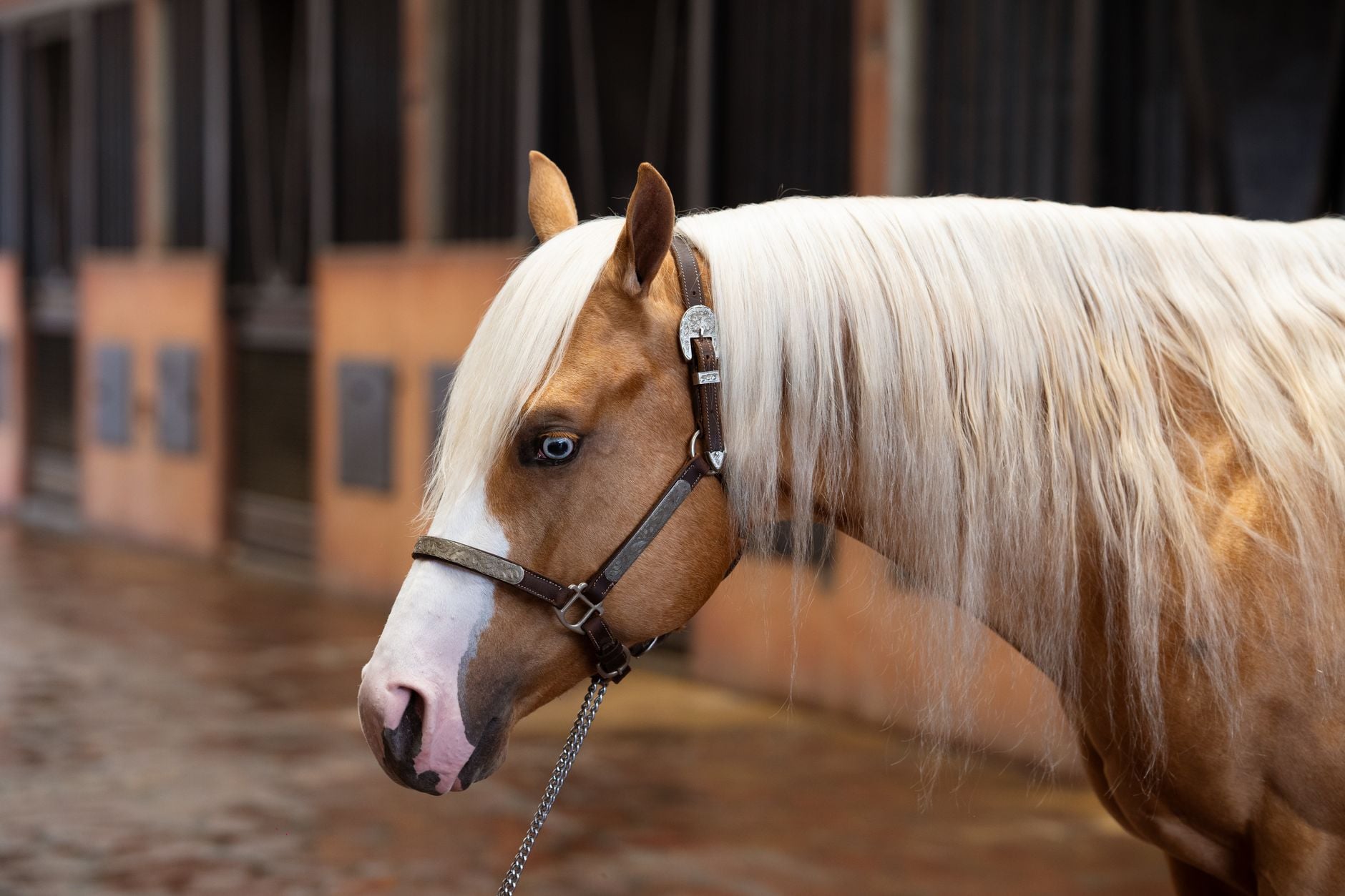
The Stall I Cleaned on Saturdays
We gathered the big pasture at daylight. Then I spent two hours in the alley on that horse, bringing calves up in little bunches to the sorting gate while Dale called them, steer or heifer, by or in. Chief knew that work better than I did. He would rate a calf and turn it on the fence with nothing from me but my weight. I was a junior in college, studying to be a teacher, and it was the best I had felt in two years.
Around eleven they loaded the last truck. I had put Chief up in his stall with his saddle off and gone back out to work the gate on foot.
I swung it shut behind the last draft of heifers, and looked up, and saw a pickup I knew.
It was parked at the end of the row, a tan Chevrolet with a county road department sticker in the back window. And my father was standing at the corral rail, a little apart from the others, with his hat in his hands.
My face went hot and then cold. I thought something had happened to my mother.
Dale had come up beside me. “He’s been there since nine,” he said quietly. “Hasn’t said a word to anybody. Just watched you and that horse work.”
I found out later that Brooke had come home from nursing school in North Platte the weekend before, and that Dad had finally asked her straight out where her sister went on Saturdays. She told him all of it, the ninety miles and the six stalls and the two years. He got up Saturday morning before five and drove seventy miles to see for himself.
I had started toward him when the barn door rolled back.
Mrs. Aldous came out leading Chief. She had the blue and white lead rope in one hand and a folded sheet of paper in the other, and she walked past the trucks and past every one of her neighbors, straight across that corral to me.
It got quiet. Twenty people on a rail know when something is happening.
“Erin,” she said. “Hold out your hand.”
I held it out. She laid the lead rope across my palm and closed my fingers over it with her own. The knot was against my wrist.
“I’ve got some arithmetic to read,” Mrs. Aldous said, “and I want witnesses to it, because I don’t intend to be argued with.”
She unfolded the paper. It was a page off the feed store calendar pad, written in pencil.
“This girl has cleaned my barn ninety-six Saturdays. I marked every one. Six stalls each time, done better than I’d do them. The last boy I hired for that work I paid forty dollars a morning, and he was not worth it.” She looked over her glasses at the page. “Ninety-six mornings at forty dollars comes to three thousand, eight hundred and forty dollars. I have not paid her a cent of it, because she would not take it.”
Nobody moved.
“I gave thirty-five hundred dollars for this horse. So by my figuring, the horse is paid for, and I am three hundred and forty dollars to the good. That’s before I count two years of riding my colts and looking through Dale’s cows.”
“And forty pairs she found out on the county road last spring,” Dale said, “that I’d have been a week hunting.”