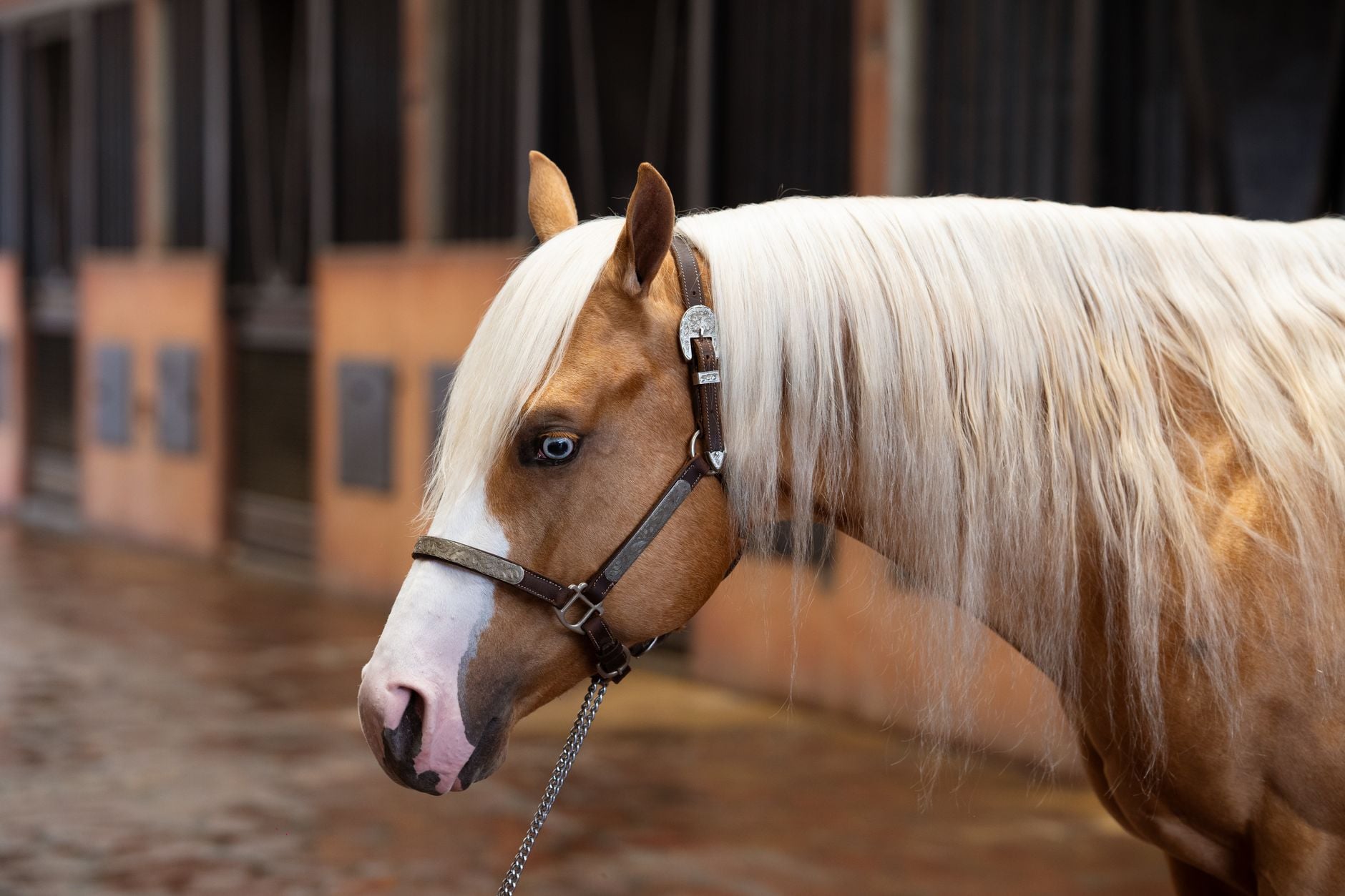
The Stall I Cleaned on Saturdays
“And who’s fed him for six years?” Dad said. His voice did not go up. It never did. “Whose hay was that? Whose pasture? Whose wormer and whose farrier? You bought a colt, Erin. I’ve been paying for a horse.”
“I’d have paid you back.”
“With what?”
I did not have an answer to that. I had four hundred and twelve dollars in my checking account at the bank in Valentine, and a scholarship that covered tuition and not much else.
My mother set the peeler down then. She dried her hands on her apron and turned around, and I thought for a moment she was going to take my side.
“Your sister has to get to school,” she said. “It’s twenty-two miles, and the bus doesn’t come out this far, you know that. You drove her every day for two years. Then you took the pickup to Chadron.”
“It’s my pickup. Grandpa gave it to me.”
“Nobody’s saying it isn’t. I’m saying your dad was driving her in at six-thirty and then driving back out to be at the county shop by eight, and she’s got work at the grocery store after school and nobody to bring her home.” She pressed her lips together. “She needed a car. We didn’t have the money for a car. We had a horse.”
“I had a horse.”
“Erin.” My mother said it gently, and that was the worst of it. “You’re the one who’s good at doing without. You always have been. Brooke isn’t like you. She needs things.”
I have thought about that sentence for twenty years.
I do not think she meant it to be cruel. I think she meant it as a compliment. But what I heard, standing there in my coat with my bag still on my shoulder, was that the reward for never asking for anything was to have the one thing I had taken away.
I did not yell. I have never been a yeller, and it would not have done any good in that kitchen.
I said, “You could have called me.”
“You’d have said no,” my father said.
“Yes, sir. I would have.”
He nodded, as if that settled it, and unfolded his newspaper again.
That was the whole of it. I said my piece that one time, at that table, and I never said it to them again. People have asked me since why I did not fight harder, and the answer is that there was nothing to fight with. The horse had no papers. I had been a child when I bought him. The check was made out to Ron, and it had cleared the bank six weeks before. And the woman who wrote it had paid a fair price, in good faith, to a man who had every appearance of owning what he was selling.
Whatever had been done to me, it had not been done by her.
I carried my bag down the hall to my room. Then I went out to the barn, because I did not know where else to go.
It was cold in there and it smelled like him. His brushes were still in the coffee can on the shelf. His saddle blanket was still over the rail with red hair on it. But his halter was gone, and so was the lead rope, and that was what finally got me. It was a blue and white cotton lead rope with a brass snap. I had bought it at the feed store in Valentine the same week I bought him, and when the end of it frayed that first winter I had tied a big clumsy knot in it to keep it from coming apart. A twelve-year-old’s knot. It had been in my hands nearly every day for six years.