The Useless Barn That Saved a Town
For most of my life I was ashamed of my father’s barn.
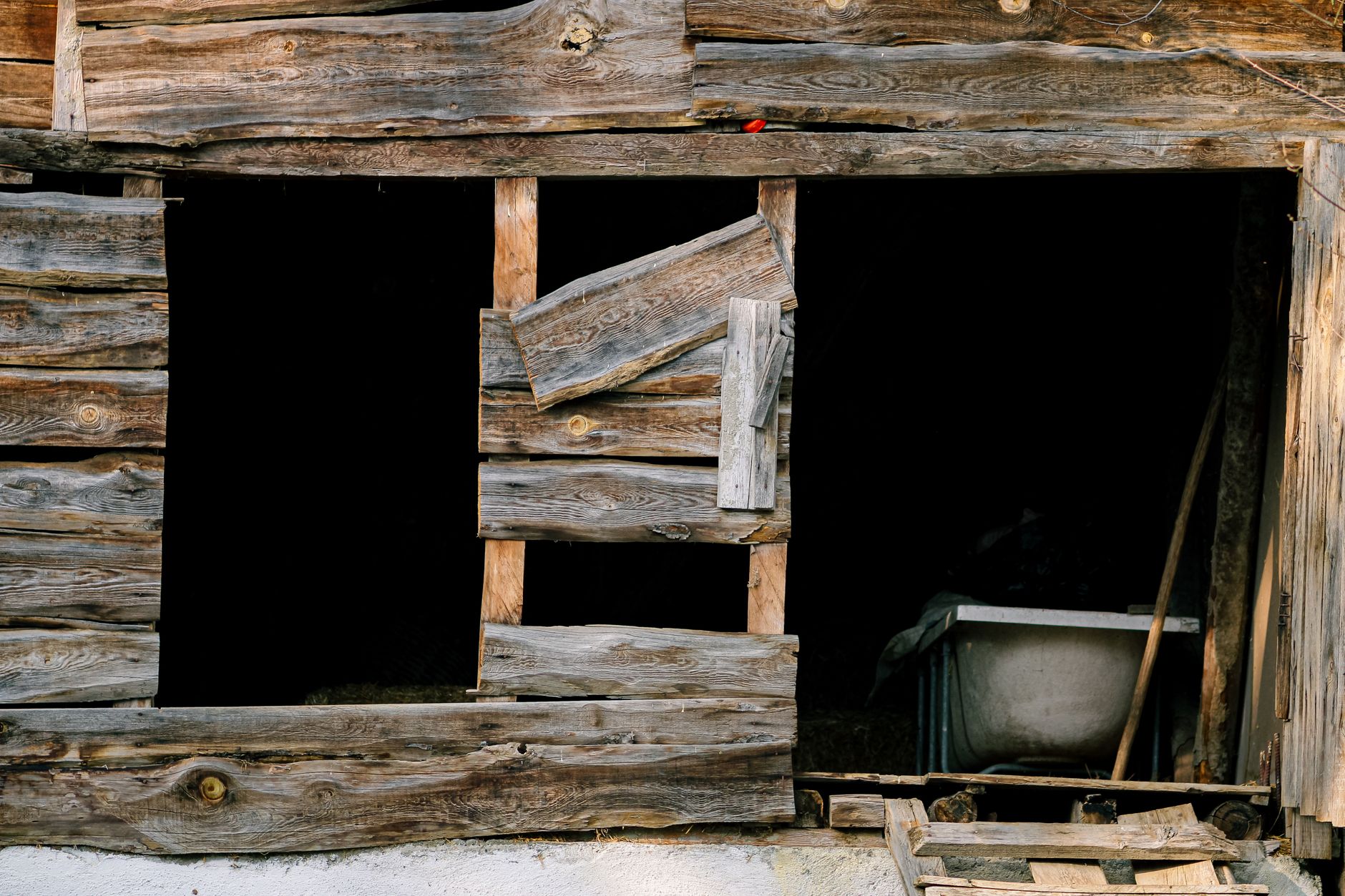
I need to say that plainly, right at the start, because everything else I am about to tell you only matters if you understand how completely I had given up on the place. That barn sat at the end of our gravel lane in Quill Hollow, Nebraska, a town so small that the welcome sign and the thank-you-for-visiting sign were nailed to the same post. It was a swaybacked old structure my father, Otho Lindgren, had let fill up over four decades with what I can only call the refuse of other people’s lives. Rusted weathervanes. Cracked butter churns. License plates from states that had changed their slogans three times since. Crates of bottle caps. A wall of cabinet doors with no cabinets attached to them. To me it was junk, and I told him so, and he would just smile under that white mustache and say, “Everything’s worth something to somebody, Marlys. You just haven’t met the somebody yet.”
I was forty-eight years old before I found out he was right, and by then the town that I thought was dying had about six months left in it, or so we all believed.
Let me back all the way up. You deserve the whole thing, because the whole thing is what changed my mind.
I grew up in Quill Hollow when it still had a pulse. We had a creamery, a feed store, a five-and-dime run by a sharp-tongued widow named Ottilie Vance who could add a column of figures in her head faster than you could write them down, and a Friday-night football team that lost most of its games but filled every bleacher anyway because there was nothing else to do and nothing else we would have rather done. My father drove a school bus in the mornings and farmed two hundred acres of corn and soybeans the rest of the day, and on Saturdays he went to auctions.
That was the thing about my father. He went to auctions the way other men went fishing. Not to buy anything in particular. Just to be there, to watch the bidding, to talk to the old farmers and the estate sellers and the pickers who drove in from three counties over. And he always, always came home with something nobody else had wanted. A box lot he had bought for a dollar because it had one good hand-plane in it and forty things that were, in my opinion, garbage.